
You've had a long day. The glass of wine sitting on the counter feels like the fastest route to finally feeling calm. But somewhere in the back of your mind, you're wondering if there's another way, one that doesn't come with the sluggish mornings or the creeping reliance on a nightly drink.
You're not alone in this question. Many young women are searching for natural relaxation methods that actually work, without the downsides of regular alcohol use. The good news is that your body has built-in relaxation systems that, with the right support, can help you unwind more effectively than wine ever could.
This guide explores practical, science-backed strategies to help you feel genuinely calm and centered, no corkscrew required.
Quick Take
- Alcohol may feel relaxing initially but disrupts sleep quality and can increase anxiety over time
- Natural relaxation techniques work with your body's own calming systems, particularly the parasympathetic nervous system
- Breathwork, magnesium, and herbal adaptogens can provide real stress relief without negative side effects
- Building a personalized wind-down routine helps signal your body it's time to relax, creating lasting habits
- Most natural methods take 10-20 minutes to work but offer deeper, more restorative calm than alcohol
Why Wine Feels Relaxing (And Why It's Not the Answer)
Alcohol creates a sense of relaxation by enhancing the effects of GABA, a neurotransmitter that slows down brain activity. This is why that first glass of wine can make your shoulders drop and your racing thoughts quiet down. The effect feels real because, in the moment, it is.
But here's what happens next. Research suggests that alcohol significantly disrupts sleep architecture, particularly REM sleep, which is essential for emotional regulation and stress recovery. You might fall asleep faster, but the quality of that sleep suffers dramatically.
Even more concerning, regular alcohol use can actually increase baseline anxiety levels. Your brain adapts to the depressant effects by becoming more excitable, meaning you may feel more stressed and wound up on days when you don't drink. It's a cycle that's easy to fall into and surprisingly difficult to break.
Daily Support for Social Drinkers
Your liver works hard every day. Give it consistent support.
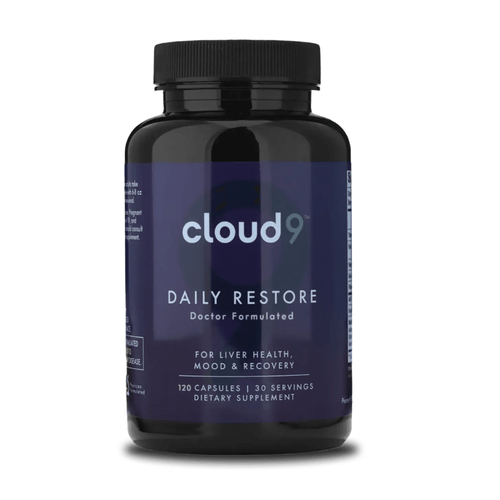
Cloud9 Daily Restore combines NAC, DHM, milk thistle, B vitamins, and ashwagandha to help support the pathways alcohol can tax most. Two capsules daily, drinking or not.
NAC | DHM | Milk Thistle | B Vitamins | Ashwagandha
See How Daily Restore WorksUnderstanding Your Body's Natural Relaxation Systems
Your nervous system has two main modes: sympathetic (fight-or-flight) and parasympathetic (rest-and-digest). When you're stressed, your sympathetic system dominates, keeping you alert and on edge. Natural relaxation isn't about numbing these systems but rather activating your parasympathetic response.
Unlike alcohol, which artificially suppresses nervous system activity, natural methods teach your body to shift gears on its own. This creates genuine resilience rather than temporary relief. Studies show that practices activating the parasympathetic system can lower cortisol levels, reduce heart rate, and improve overall stress response.
The Role of Neurotransmitters in Natural Calm
Your brain produces its own calming chemicals, including GABA, serotonin, and dopamine. When these are balanced, you feel naturally relaxed and content. Certain nutrients, herbs, and lifestyle practices can support healthy production of these neurotransmitters without the disruption alcohol causes.
Magnesium, for example, plays a crucial role in GABA function and helps regulate the stress response. L-theanine, found in green tea, promotes alpha brain waves associated with relaxed alertness. These natural compounds work with your body rather than overriding it.
Science-Backed Natural Relaxation Techniques
Breathwork: Your Built-In Calm Button
Your breath is the most powerful tool you have for immediate stress relief. Controlled breathing directly activates the vagus nerve, which signals your body to enter rest mode. The best part is that it works in minutes, not hours.
Try the 4-7-8 technique: inhale through your nose for 4 counts, hold for 7, exhale through your mouth for 8. Research suggests this pattern can lower heart rate and blood pressure while promoting a sense of calm. Practice it three times in a row whenever stress hits.
Movement That Melts Stress
Not all exercise is created equal when it comes to relaxation. High-intensity workouts can actually increase cortisol if you're already stressed. Gentle, flowing movement helps discharge nervous energy while activating relaxation responses.
- Yin yoga holds poses for 3-5 minutes, allowing deep connective tissue release
- Walking in nature has been shown to lower stress hormones more effectively than urban walking
- Gentle stretching before bed signals your body that it's time to wind down
- Tai chi combines movement with breath, creating a meditative state
The Power of Progressive Muscle Relaxation
This technique involves tensing and releasing muscle groups systematically, helping you recognize and release physical tension you might not even realize you're holding. Start at your toes and work up to your head, tensing each area for 5 seconds before releasing.
Studies show that regular practice of progressive muscle relaxation can reduce anxiety symptoms and improve sleep quality. It's particularly effective for women who carry stress in their bodies as tension headaches, jaw clenching, or shoulder tightness.
Natural Supplements That Support Calm
Magnesium: The Relaxation Mineral
Magnesium is involved in over 300 enzymatic processes in your body, including those that regulate stress response and sleep. Many young women are deficient due to depleted soil nutrients and high-stress lifestyles. Supplementing can make a noticeable difference in how easily you unwind.
Magnesium glycinate is particularly well-absorbed and less likely to cause digestive upset. Taking 300-400mg about an hour before bed can help ease the transition into evening relaxation mode. Some people notice effects within days, while others need a few weeks of consistent use.
Adaptogenic Herbs for Stress Resilience
Adaptogens are herbs that help your body adapt to stress more effectively. Unlike alcohol, which provides temporary escape, adaptogens build long-term resilience. They work gradually, supporting your natural stress response rather than overriding it.
| Adaptogen | Best For | When to Take |
|---|---|---|
| Ashwagandha | Reducing cortisol and anxious thoughts | Evening |
| L-theanine | Calm focus without drowsiness | Anytime |
| Rhodiola | Mental fatigue and burnout | Morning |
| Passionflower | Racing thoughts and sleep issues | Evening |
| Holy Basil | Overall stress balance | Morning or afternoon |
CBD: A Gentle Option for Nervous System Support
CBD interacts with your endocannabinoid system, which helps regulate mood, sleep, and stress response. Unlike THC, it won't get you high, but research suggests it may help reduce anxiety and promote relaxation. Quality matters enormously, so look for third-party tested products with clear dosing.
Start with a low dose (10-20mg) and adjust based on how you feel. Some women find that CBD works best when taken consistently rather than as needed, helping to create a more balanced baseline over time.
Building Your Personal Wind-Down Routine
The Power of Ritual
The wine-as-relaxation habit is powerful partly because it's ritualistic. You pour a glass, you sit down, you exhale. Creating new rituals around natural relaxation methods gives them similar psychological power. Your brain starts to relax in anticipation of the routine itself.
Choose 3-5 elements that feel genuinely good to you, not what you think you should do. Maybe it's a cup of herbal tea, 10 minutes of journaling, a face mask, and some gentle stretching. The specifics matter less than the consistency and the intention behind them.
The transition away from wine isn't about willpower or deprivation. It's about discovering what actually serves your nervous system and building practices that make you feel genuinely good, not just temporarily numb.
Evening Activities That Promote Natural Calm
- Dim the lights and light candles an hour before bed to signal melatonin production
- Take a warm bath with Epsom salts for magnesium absorption and muscle relaxation
- Read fiction rather than scrolling, giving your mind something to focus on besides stress
- Practice gentle yin yoga or stretching to release physical tension
- Journal for 5 minutes to process the day and clear mental clutter
- Listen to binaural beats or calming music designed for relaxation
Morning Practices That Set You Up for Calm
How you start your day significantly impacts your stress levels by evening. If you're in fight-or-flight mode from the moment you wake up, you'll be reaching for something, anything, to help you decompress later. Morning practices that support nervous system balance make evening relaxation easier.
Try waking up 15 minutes earlier for a gentle morning routine. This might include meditation, light stretching, or simply sitting with your coffee without immediately checking your phone. Research suggests that how you spend your first hour awake can influence stress hormone levels throughout the entire day.
Social Situations Without the Social Lubricant
Navigating Pressure to Drink
One of the trickiest parts of reducing alcohol isn't the physical habit but the social expectation. Wine has become shorthand for relaxation and connection, especially among young women. Choosing not to drink can feel like opting out of bonding or self-care.
Have your response ready before you need it. "I'm taking a break from drinking" or "I'm focusing on sleep quality right now" are simple statements that don't require justification. Most people care far less about your drinking choices than you imagine, and those who push often have their own complicated relationship with alcohol.
Alternative Social Rituals
Suggest activities that don't center around drinking. A morning hike and coffee, an afternoon pottery class, or a evening walk can create connection without the expectation of alcohol. You might be surprised how many friends feel relieved when someone else suggests a non-drinking activity first.
- Host a mocktail night with creative non-alcoholic drinks in pretty glasses
- Organize a yoga and brunch gathering instead of happy hour
- Suggest a spa day or at-home spa night with face masks and relaxing activities
- Plan active outings like dance classes or rock climbing that feel celebratory without alcohol
Managing Anxiety in Social Settings
If you've been using wine to manage social anxiety, the idea of facing gatherings without it can feel overwhelming. Start small and have your natural relaxation tools ready. Take L-theanine before the event, practice breathwork in the bathroom if needed, and give yourself permission to leave early.
You might find that your anxiety in social situations decreases as you stop using alcohol regularly. Studies show that alcohol can actually increase social anxiety over time, creating a cycle where you feel you need it more and more to feel comfortable around others.
How Daily Restore Supports Your Health
Understanding what your body needs is one thing. Getting consistent daily support is another. Daily Restore was designed to address the key pathways alcohol can stress most, in one simple daily formula.
NAC (N-Acetyl Cysteine)
Supports glutathione production and antioxidant defenses
DHM (Dihydromyricetin)
Supports alcohol metabolism
Milk Thistle (Silymarin)
Supports healthy liver function
B Vitamins
Help replenish nutrients involved in energy and metabolism
Ashwagandha
Supports stress resilience and healthy cortisol balance
Daily Restore is not a detox or a cure. It is a daily support formula designed for people who drink socially and want to give their body consistent, evidence-informed support.
Frequently Asked Questions
How long does it take for natural relaxation techniques to work?
Most people notice some immediate benefits from breathing exercises or gentle movement, though building a consistent sense of calm typically takes 2-4 weeks of regular practice. The key is consistency rather than perfection: even 5-10 minutes daily can create meaningful shifts in how your nervous system responds to stress.
Can I use these techniques if I'm dealing with anxiety or depression?
Natural relaxation methods can be helpful alongside professional support, but they're not a replacement for therapy or medical treatment when you're struggling with clinical anxiety or depression. Many women find that these techniques complement their existing care plan beautifully, but always consult with your healthcare provider about what's right for your specific situation.
What if I don't have time for long relaxation routines?
You don't need an hour-long session to benefit from relaxation practices. Research suggests that brief moments of intentional calm throughout your day can be just as effective as longer sessions: a 3-minute breathing exercise before a meeting, a quick walk around the block, or simply taking your supplement with a moment of mindfulness all count.
How does Daily Restore compare to having a glass of wine?
Unlike alcohol, which can disrupt sleep quality and create a cycle of dependence, Daily Restore works with your body's natural relaxation pathways to support genuine calm without the downsides. Many women describe feeling relaxed but clear-headed, and they wake up refreshed rather than foggy or dehydrated.
Will I become dependent on supplements for relaxation?
Quality supplements like Daily Restore are designed to support your body's natural ability to manage stress, not replace it. Think of them as training wheels that help you build healthier patterns: over time, the combination of supplementation and lifestyle practices can actually strengthen your innate relaxation response.
The Bottom Line
You don't need wine to unwind, and you definitely don't need to accept feeling wired and exhausted as your new normal. Natural relaxation isn't about adding more to your already full plate: it's about making small, sustainable shifts that help your nervous system find its way back to balance.
The techniques we've covered, from breathwork to movement to creating calming rituals, all work together to support genuine relaxation that doesn't come with side effects or morning-after regrets. When you pair these practices with targeted nutritional support like Daily Restore, you're giving your body the tools it needs to manage stress more effectively from the inside out.
Start with one or two approaches that resonate with you, and build from there. Maybe it's taking Daily Restore with your morning tea while practicing five minutes of deep breathing. Maybe it's a short evening walk followed by magnesium-rich dinner. The best relaxation routine is the one you'll actually stick with, so choose what feels doable and enjoyable rather than what sounds most impressive.
Your body already knows how to relax: sometimes it just needs a little support and the right environment to remember. With consistent practice and quality supplementation, you can build a foundation of calm that carries you through even the most demanding days, no wine glass required.
Build Your Daily Support Routine
Build Your Daily Support Routine
If drinking is part of your lifestyle, your support routine should not be random. Daily Restore was designed to help social drinkers support liver health, antioxidant defenses, alcohol metabolism, nutrient replenishment, and daily recovery in one simple routine.
NAC
DHM
Milk Thistle
B Vitamins
Ashwagandha