

You're not someone who drinks every day. Maybe it's Friday happy hours, weekend dinners with friends, or the occasional celebration. But when you see elevated liver enzymes on your lab results, it raises an uncomfortable question: can moderate social drinking actually affect your liver health?
The short answer is yes, it can. The better answer is that understanding how alcohol impacts your liver enzymes gives you the power to make informed choices that protect your health without eliminating social drinking entirely.
This guide walks you through the science of liver enzymes, what happens when you drink, and practical strategies to keep those numbers in the healthy range while still enjoying your social life.
Quick Take
- Even moderate drinking can temporarily elevate liver enzymes like ALT and AST, signaling increased liver workload
- The key difference between safe social drinking and problematic patterns lies in frequency, quantity, and recovery time
- Strategic timing of alcohol consumption and protective nutrients can significantly reduce liver enzyme elevation
- Milk thistle, NAC, and B vitamins may support liver function when used alongside responsible drinking habits
- Regular monitoring through blood work helps catch concerning trends before they become serious health issues
Understanding Liver Enzymes and What They Tell You
Liver enzymes are proteins that help your liver perform hundreds of essential functions, from processing nutrients to filtering toxins. When your liver cells are stressed or damaged, these enzymes leak into your bloodstream, where they show up on blood tests. The most commonly measured enzymes are ALT (alanine aminotransferase) and AST (aspartate aminotransferase).
Research suggests that even a single episode of moderate drinking can cause a temporary spike in these enzymes, typically peaking within 24 to 48 hours and returning to baseline within several days. This isn't necessarily cause for alarm, but it does indicate your liver is working harder than usual. Think of it like muscle soreness after a workout: some stress can be managed, but chronic stress leads to damage.
The challenge for social drinkers is that "normal" ranges on lab reports don't tell the whole story. Your enzymes might technically fall within the reference range but still be elevated compared to your personal baseline. Studies show that even levels in the "high-normal" range can indicate underlying liver stress that deserves attention.
Daily Support for Social Drinkers
Your liver works hard every day. Give it consistent support.
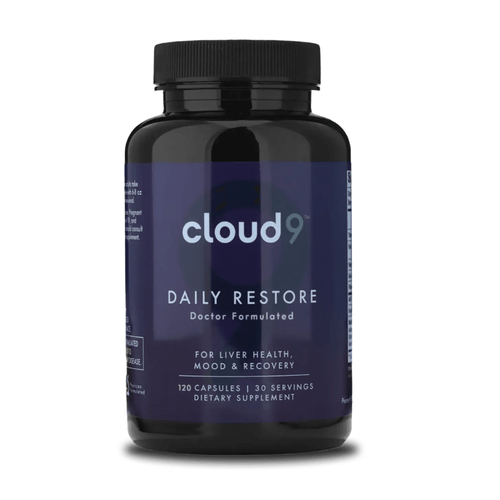
Cloud9 Daily Restore combines NAC, DHM, milk thistle, B vitamins, and ashwagandha to help support the pathways alcohol can tax most. Two capsules daily, drinking or not.
NAC | DHM | Milk Thistle | B Vitamins | Ashwagandha
See How Daily Restore WorksHow Social Drinking Affects Your Liver
When you drink alcohol, your liver becomes the primary site of processing and detoxification. This work generates oxidative stress and depletes critical nutrients, particularly glutathione, your liver's most important antioxidant. The amount of damage depends on several factors beyond just how much you drink.
The Patterns That Matter Most
It's not just about total alcohol consumption. The pattern of your drinking has a significant impact on liver enzyme levels. Binge drinking, even if infrequent, tends to cause more enzyme elevation than the same amount spread over time.
- Drinking 4-5 drinks in one evening creates a concentrated toxic load your liver must process all at once
- The same quantity spread across a week gives your liver recovery time between exposures
- Consecutive days of drinking prevent enzyme levels from returning to baseline
- Drinking on an empty stomach accelerates alcohol absorption and increases liver burden
Individual Factors That Influence Liver Response
Your liver's response to alcohol isn't identical to everyone else's. Genetics, sex, body composition, and overall health status all play roles in how efficiently you metabolize alcohol and how much enzyme elevation occurs.
Women generally show higher enzyme responses to the same amount of alcohol as men, partly due to differences in body water content and enzyme activity. Research also suggests that people with higher body mass index may experience more pronounced liver enzyme changes, as fatty liver amplifies alcohol's effects.

The Social Drinker's Protective Strategy
Maintaining healthy liver enzymes while enjoying social drinking requires a multi-faceted approach. It's about reducing the burden on your liver, supporting its natural detoxification processes, and giving it adequate recovery time.
Strategic Drinking Guidelines
The healthiest approach combines quantity limits with timing strategies. These aren't rigid rules but evidence-based guidelines that can help minimize liver enzyme elevation.
| Strategy | Why It Matters | Practical Application |
|---|---|---|
| Limit to 2-3 drinks per occasion | Keeps alcohol concentration manageable | Order drinks slowly, alternate with water |
| Space drinking occasions 48-72 hours apart | Allows enzymes to return to baseline | If you drink Friday, skip Sunday evening |
| Eat protein and healthy fats before drinking | Slows alcohol absorption | Have a meal with salmon, avocado, or nuts |
| Choose lower-alcohol options | Reduces total ethanol exposure | Opt for wine or light beer over cocktails |
Nutrients That Support Liver Processing
Your liver requires specific nutrients to efficiently metabolize alcohol and protect itself from oxidative damage. Ensuring adequate intake of these compounds before and after drinking can help minimize enzyme elevation.
- B vitamins (especially B1, B6, and B12): Essential for alcohol metabolism pathways and often depleted by drinking
- N-acetylcysteine (NAC): Replenishes glutathione, your liver's primary antioxidant defense system
- Milk thistle (silymarin): May help stabilize liver cell membranes and reduce enzyme leakage
- Alpha-lipoic acid: Supports mitochondrial function and reduces oxidative stress
- Vitamin C and E: Provide additional antioxidant protection during alcohol processing
The goal isn't to find a "magic pill" that lets you drink without consequences. It's about supporting your liver's natural resilience so that occasional social drinking doesn't translate into long-term enzyme elevation or liver damage.
Hydration and Recovery Protocol
What you do after drinking matters almost as much as what you do during. A thoughtful recovery protocol can help your liver return to baseline more quickly and reduce the peak elevation of enzymes.
Start with hydration: alcohol is a diuretic that depletes both water and electrolytes. For every alcoholic drink, aim to consume at least 8 ounces of water. The morning after drinking, prioritize electrolyte-rich fluids like coconut water or electrolyte supplements rather than just plain water.
- Drink 16-24 ounces of water before bed after drinking
- Include electrolytes (sodium, potassium, magnesium) in your recovery hydration
- Avoid excessive coffee the next day, as it can further dehydrate you
- Consider adding a pinch of sea salt to water to enhance absorption
Monitoring Your Liver Health
You can't manage what you don't measure. Regular monitoring through blood work gives you objective feedback about whether your social drinking habits are keeping your enzymes in the healthy range or pushing them upward over time.
What Tests to Request
A comprehensive metabolic panel (CMP) includes basic liver enzymes, but for a more complete picture, ask your doctor for a hepatic function panel. This typically includes ALT, AST, GGT (gamma-glutamyl transferase), alkaline phosphatase, bilirubin, and albumin.
GGT is particularly sensitive to alcohol consumption and can reveal patterns of regular drinking even when ALT and AST appear normal. Research suggests that elevated GGT combined with even moderately elevated ALT or AST warrants a closer look at drinking habits.
Understanding Your Results
Reference ranges provide general guidance, but your personal trend matters more than a single result. A pattern of gradual increase, even within the normal range, can signal that your current habits aren't sustainable for long-term liver health.
| Enzyme | Typical Healthy Range | What Elevation May Indicate |
|---|---|---|
| ALT | 7-56 U/L | Liver cell damage or inflammation |
| AST | 10-40 U/L | Liver stress (also found in muscle tissue) |
| GGT | 9-48 U/L | Alcohol consumption, bile duct issues |
| Alkaline Phosphatase | 44-147 U/L | Bile duct obstruction, bone disorders |
When to Reassess Your Habits
Certain patterns in your lab work should prompt an honest conversation with yourself about whether your current approach to social drinking is sustainable. These aren't necessarily signs of serious liver disease, but they are early warning signals worth heeding.
- ALT or AST rising above 50 U/L, even if technically still in range
- GGT consistently above 30 U/L in the absence of other explanations
- An AST/ALT ratio greater than 2 (can indicate alcohol-related changes)
- Any upward trend over multiple tests, even with small increases
- Elevated enzymes that don't normalize after a week of abstinence
Building a Sustainable Lifestyle Around Social Drinking
The most effective approach to maintaining healthy liver enzymes isn't about perfect adherence to strict rules. It's about creating habits that support your liver health most of the time, while still leaving room for social connection and enjoyment.
The 80/20 Approach
If you're diligent about liver-protective habits 80% of the time, the occasional deviation won't derail your overall health. This means prioritizing the basics consistently: adequate sleep, regular exercise, nutrient-dense foods, and spacing your drinking occasions appropriately.
Studies show that regular physical activity can help maintain healthy liver enzyme levels even in people who drink moderately. Exercise improves insulin sensitivity, reduces liver fat, and enhances your body's antioxidant systems, all of which protect against alcohol-related enzyme elevation.
Foods That Support Liver Resilience
Your daily diet creates the foundation for liver health. Certain foods provide compounds that support detoxification, reduce inflammation, and help maintain normal enzyme levels.
- Cruciferous vegetables: Broccoli, cauliflower, and Brussels sprouts contain sulforaphane, which supports detoxification enzymes
- Leafy greens: High in chlorophyll and antioxidants that reduce oxidative stress
- Fatty fish: Omega-3 fatty acids help reduce liver inflammation
- Berries: Rich in polyphenols that protect liver cells from damage
- Coffee: Regular coffee consumption is associated with healthier liver enzyme levels
- Green tea: Contains catechins that may support liver function
- Garlic and onions: Provide sulfur compounds needed for glutathione production
Stress Management and Sleep
Chronic stress and poor sleep both elevate liver enzymes independently of alcohol consumption. When combined with regular drinking, even at moderate levels, the cumulative effect can push enzymes out of the healthy range.
Research suggests that poor sleep quality increases inflammation throughout the body, including in the liver. Aim for 7-9 hours of quality sleep per night, and consider that alcohol itself disrupts sleep architecture, even if it helps you fall asleep initially. This creates a cycle where drinking impacts sleep, which then compromises your liver's ability to recover from that same drinking episode.
How Daily Restore Supports Your Health
Understanding what your body needs is one thing. Getting consistent daily support is another. Daily Restore was designed to address the key pathways alcohol can stress most, in one simple daily formula.
NAC (N-Acetyl Cysteine)
Supports glutathione production and antioxidant defenses
DHM (Dihydromyricetin)
Supports alcohol metabolism
Milk Thistle (Silymarin)
Supports healthy liver function
B Vitamins
Help replenish nutrients involved in energy and metabolism
Ashwagandha
Supports stress resilience and healthy cortisol balance
Daily Restore is not a detox or a cure. It is a daily support formula designed for people who drink socially and want to give their body consistent, evidence-informed support.
Frequently Asked Questions
How long does it take to see improvement in liver enzyme levels?
Most people can see noticeable changes in liver enzyme levels within 2-4 weeks of reducing alcohol intake and supporting their body with proper nutrition and hydration. However, individual results vary based on baseline health, drinking patterns, and overall lifestyle factors. Regular check-ins with your healthcare provider can help track your progress.
Can I reverse elevated liver enzymes if I keep drinking socially?
It depends on your current levels and drinking frequency. If you're only slightly elevated and stick to moderate drinking guidelines (no more than 1-2 drinks per occasion, with multiple alcohol-free days per week), research suggests your liver can recover with proper support. That said, consistently elevated enzymes may require a longer break from alcohol to allow your liver to fully repair itself.
What's the difference between ALT and AST liver enzymes?
ALT (alanine aminotransferase) is found primarily in the liver and is considered the more specific marker for liver health, while AST (aspartate aminotransferase) is present in multiple organs including the heart and muscles. Elevated ALT typically points more directly to liver stress, whereas elevated AST could indicate other issues. Your doctor will look at the ratio and levels of both to get a complete picture.
Do I need to take supplements if I only drink occasionally?
While occasional drinkers may not need intensive liver support, targeted nutrients like milk thistle, NAC, and B vitamins can help optimize your body's natural detoxification processes and provide a buffer against oxidative stress. Think of it as proactive support rather than damage control, especially if you want to maintain optimal health as you age.
Should I be concerned about liver health if I feel fine?
The liver is remarkably resilient and often doesn't show obvious symptoms until significant damage has occurred. Many people with elevated liver enzymes feel completely normal, which is why regular blood work is important if you drink regularly. Being proactive about liver health, even when you feel good, is the smartest approach to long-term wellness.
The Bottom Line
Being a social drinker doesn't mean you have to compromise your liver health. The key is finding a sustainable balance: drink mindfully, prioritize alcohol-free days, stay hydrated, and give your body the nutritional support it needs to handle the occasional indulgence. Small, consistent habits make a much bigger difference than trying to "undo" damage after the fact.
Understanding your liver enzyme levels through regular testing gives you valuable insight into how your lifestyle choices are affecting your health. If your numbers are creeping up, it's not a crisis, it's information you can act on. Adjusting your drinking patterns, improving your diet, and incorporating targeted nutrients can help bring those levels back into a healthy range.
That's where Cloud9's Daily Restore fits naturally into the picture. With clinically-studied ingredients like milk thistle, NAC, DHM, and essential B vitamins, it's designed to support your liver's natural detoxification processes day in and day out. It's not about enabling more drinking, it's about giving your body consistent support so you can enjoy social occasions without constantly worrying about the impact.
Your liver works hard for you every single day. Supporting it with smart choices, whether that's what you drink, what you eat, or the supplements you take, is an investment in feeling good now and protecting your health for years to come. Cheers to making choices that let you enjoy life while keeping your body in peak condition.
Build Your Daily Support Routine
Build Your Daily Support Routine
If drinking is part of your lifestyle, your support routine should not be random. Daily Restore was designed to help social drinkers support liver health, antioxidant defenses, alcohol metabolism, nutrient replenishment, and daily recovery in one simple routine.
NAC
DHM
Milk Thistle
B Vitamins
Ashwagandha