

If you enjoy a few drinks with friends on weekends or unwind with wine at dinner, you're not alone. But even moderate drinking puts extra work on your liver, and what you eat can make a real difference in how well this vital organ handles the load.
Your liver processes everything you consume, including alcohol. While it's remarkably resilient, it needs the right nutritional support to do its job well. The foods you choose can either help your liver bounce back after social drinking or add to its burden.
This guide breaks down the best and worst foods for liver health, so you can make informed choices that let you enjoy social occasions without compromising your wellness.
Quick Take
- Your liver processes both alcohol and food, so nutrition directly impacts how well it recovers from social drinking
- Antioxidant-rich foods like berries, leafy greens, and cruciferous vegetables can help support liver function and cellular repair
- Added sugars, fried foods, and processed meats create additional stress when combined with alcohol consumption
- Timing matters: eating before and after drinking affects how your liver handles alcohol metabolism
- Small dietary changes can make a meaningful difference in supporting long-term liver health
How Your Liver Processes Alcohol and Food
Your liver is essentially your body's filtration system, processing nutrients, medications, and toxins including alcohol. When you drink, your liver prioritizes metabolizing alcohol over other functions, which can temporarily slow down fat processing and nutrient distribution.
Research suggests that this metabolic shift creates oxidative stress and inflammation in liver cells. The process generates free radicals, which are unstable molecules that can damage cellular structures. This is where nutrition becomes critical: certain foods provide antioxidants and nutrients that may help neutralize free radicals and support cellular repair.
For social drinkers, the goal isn't perfection but strategic support. Your liver can handle occasional alcohol when you give it the nutritional tools it needs to recover effectively between drinking occasions.
Daily Support for Social Drinkers
Your liver works hard every day. Give it consistent support.
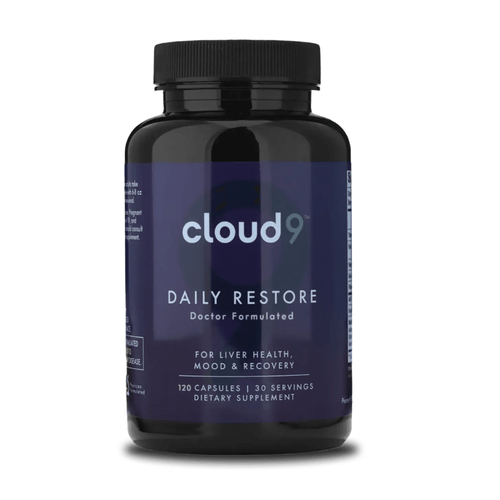
Cloud9 Daily Restore combines NAC, DHM, milk thistle, B vitamins, and ashwagandha to help support the pathways alcohol can tax most. Four capsules daily, drinking or not.
NAC | DHM | Milk Thistle | B Vitamins | Ashwagandha
See How Daily Restore WorksBest Foods for Supporting Liver Health
The foods that best support your liver share common traits: they're rich in antioxidants, fiber, and specific nutrients that aid in detoxification and cellular repair. Building these into your regular diet creates a foundation that helps your liver handle occasional alcohol more efficiently.
Cruciferous Vegetables
Broccoli, cauliflower, Brussels sprouts, and cabbage contain compounds called glucosinolates that studies show may support the liver's natural detoxification enzymes. These vegetables also provide fiber that helps your body eliminate waste products more effectively.
Try to include at least one serving daily. Roasting brings out their natural sweetness and makes them more appealing if you're not typically a vegetable enthusiast.
Berries and Colorful Fruits
Blueberries, strawberries, and other berries are packed with antioxidants called polyphenols. Research suggests these compounds may help protect liver cells from oxidative damage and support healthy inflammatory responses.
Other liver-friendly fruits include:
- Grapefruit (contains naringenin and naringin, which may support liver enzyme production)
- Grapes (especially red and purple varieties, rich in resveratrol)
- Apples (high in pectin, a fiber that aids toxin elimination)
- Avocados (contain healthy fats and glutathione, a key antioxidant)
Fatty Fish and Omega-3 Sources
Salmon, mackerel, sardines, and other fatty fish provide omega-3 fatty acids that studies show may help reduce liver inflammation and fat accumulation. For social drinkers, this anti-inflammatory support can be particularly valuable.
If you don't eat fish, consider plant-based omega-3 sources like walnuts, flaxseeds, and chia seeds. While they contain a different type of omega-3 (ALA rather than EPA and DHA), they still offer beneficial properties.

Leafy Greens
Spinach, kale, arugula, and other greens are high in chlorophyll and various plant compounds that may help neutralize toxins. They're also excellent sources of fiber, which supports digestive health and helps your body eliminate waste.
The bitter compounds in greens like dandelion and arugula may stimulate bile production, which aids in fat digestion and toxin removal. Adding a handful to smoothies, salads, or sautés is an easy way to boost your intake.
Coffee and Green Tea
Surprisingly, research consistently shows that regular coffee consumption is associated with better liver health markers. Studies suggest that coffee may help protect against liver scarring and support healthy enzyme levels, even in people who drink alcohol socially.
Green tea contains catechins, antioxidants that may support liver function. Both beverages appear to offer protective benefits when consumed regularly, though moderation is still key (aim for 2-3 cups daily).
"Your liver is incredibly resilient and has remarkable regenerative capacity when given the right support. Small, consistent dietary choices can make a meaningful difference in how well it functions over time."
Worst Foods for Liver Health
Just as certain foods support liver function, others create additional burden, especially when combined with alcohol. Understanding what to limit can be just as important as knowing what to add.
Added Sugars and Refined Carbohydrates
Excess sugar, particularly fructose from added sugars and high-fructose corn syrup, can contribute to fat accumulation in the liver. When you combine regular alcohol consumption with high sugar intake, you're essentially giving your liver a double metabolic challenge.
Refined carbohydrates like white bread, pastries, and sugary cereals spike blood sugar quickly, which can contribute to insulin resistance over time. This metabolic stress compounds the work your liver does when processing alcohol.
Watch out for hidden sugars in:
- Flavored yogurts and coffee drinks
- Condiments like ketchup, barbecue sauce, and salad dressings
- Granola bars and "healthy" snacks
- Fruit juices (even 100% juice lacks the fiber of whole fruit)
Fried and Processed Foods
Foods high in trans fats and saturated fats can contribute to fatty liver development, particularly when consumed regularly. Fried foods, fast food, and heavily processed snacks often contain oxidized fats that create additional oxidative stress.
For social drinkers, bar snacks like mozzarella sticks, french fries, and fried appetizers are particularly problematic. They're often consumed while drinking, creating a perfect storm for liver burden.
Processed Meats
Bacon, sausage, deli meats, and hot dogs contain preservatives, high sodium, and saturated fats that research suggests may contribute to inflammation and metabolic stress. While an occasional serving isn't catastrophic, regular consumption combined with alcohol can be taxing.
If you enjoy these foods, consider them occasional treats rather than dietary staples, especially during periods when you're drinking more frequently.
Excess Salt
High sodium intake can contribute to fluid retention and may affect liver function, particularly in people who already have compromised liver health. Processed foods, restaurant meals, and salty snacks are the primary culprits.
When drinking socially, it's easy to overdo salty bar snacks. These not only add liver burden but also tend to make you thirstier, potentially leading to more alcohol consumption.
Strategic Eating: Timing and Combinations
What you eat matters, but when and how you eat around drinking occasions can significantly impact how your liver handles alcohol. These strategies can help minimize stress and support recovery.
Before Drinking
Eating before you drink slows alcohol absorption and gives your liver a steadier workload. The best pre-drinking meals combine protein, healthy fats, and complex carbohydrates.
Smart choices include:
- Salmon with quinoa and roasted vegetables
- Greek yogurt parfait with berries and nuts
- Chicken and avocado salad with olive oil dressing
- Hummus with whole grain pita and vegetables
While Drinking
If you're eating during a social drinking occasion, choose foods that provide nutrients without adding excessive burden. Skip the fried appetizers and opt for better choices when possible.
Look for options like grilled proteins, vegetable-based dishes, nuts, or cheese and fruit plates. These provide substance without the oxidized fats and empty calories of typical bar food.
The Day After
Your liver continues processing alcohol metabolites for hours after drinking. Supporting this recovery phase with nutrient-dense foods can help restore balance.
Focus on hydration first, then incorporate foods rich in antioxidants, B vitamins, and electrolytes. Eggs, leafy greens, berries, bananas, and bone broth are particularly helpful for recovery.
Building a Liver-Friendly Eating Pattern
Rather than obsessing over every food choice, think about creating an overall pattern that supports liver health. This approach is more sustainable and less stressful than trying to eat perfectly all the time.
The 80/20 Approach
Aim for nutrient-dense, liver-supporting foods about 80% of the time, leaving room for flexibility and enjoyment the other 20%. This balance allows for social occasions and treats without derailing your overall health.
For social drinkers, this might mean eating particularly well during the week and being more relaxed on weekends, or choosing your indulgences mindfully rather than defaulting to less healthy options.
Sample Day of Liver-Supporting Meals
| Meal | Liver-Friendly Option | Key Benefits |
|---|---|---|
| Breakfast | Oatmeal with berries, walnuts, and cinnamon | Fiber, antioxidants, omega-3s |
| Mid-Morning | Green tea and apple slices | Catechins, pectin fiber |
| Lunch | Grilled salmon salad with mixed greens, avocado, and olive oil | Omega-3s, healthy fats, chlorophyll |
| Afternoon | Carrot sticks with hummus | Beta-carotene, plant protein, fiber |
| Dinner | Grilled chicken with roasted Brussels sprouts and quinoa | Lean protein, glucosinolates, complete protein |
| Evening | Small handful of walnuts | Omega-3s, satiety |
Practical Shopping and Meal Prep Tips
Making liver-friendly choices easier starts with having the right foods available. Stock your kitchen with staples that support your goals without requiring elaborate preparation.
Keep these items on hand:
- Frozen berries for smoothies and quick breakfasts
- Pre-washed greens for easy salads
- Canned wild salmon or sardines for quick protein
- Nuts and seeds for snacks
- Frozen cruciferous vegetables that steam in minutes
- Quality olive oil and vinegar for simple dressings
- Green tea bags and quality coffee
Batch cooking proteins and grains on weekends can make weeknight meals faster. Having grilled chicken, cooked quinoa, or roasted vegetables ready to go removes barriers to healthy eating when you're tired or busy.
How Daily Restore Supports Your Health
Understanding what your body needs is one thing. Getting consistent daily support is another. Daily Restore was designed to address the key pathways alcohol can stress most, in one simple daily formula.
NAC (N-Acetyl Cysteine)
Supports glutathione production and antioxidant defenses
DHM (Dihydromyricetin)
Supports alcohol metabolism
Milk Thistle (Silymarin)
Supports healthy liver function
B Vitamins
Help replenish nutrients involved in energy and metabolism
Ashwagandha
Supports stress resilience and healthy cortisol balance
Daily Restore is not a detox or a cure. It is a daily support formula designed for people who drink socially and want to give their body consistent, evidence-informed support.
Frequently Asked Questions
Can I reverse liver damage just by changing my diet?
Diet changes can support liver health and may help reduce inflammation in the early stages of liver stress, but they work best as part of a broader lifestyle approach that includes moderating alcohol intake and regular exercise. The liver has remarkable regenerative capacity when given the right support, though severe damage requires medical intervention.
How long does it take to see improvements in liver health?
Research suggests that consistent dietary changes can begin supporting liver function within a few weeks, though measurable improvements in liver enzyme levels typically take one to three months. The timeline varies based on your starting point, how strictly you follow liver-supportive eating patterns, and your overall alcohol consumption habits.
Should I take liver supplements if I drink socially?
Targeted supplements containing ingredients like milk thistle, NAC, and B vitamins can help support your liver's natural detoxification processes, especially when social drinking is part of your routine. Quality matters significantly, so look for supplements with clinically studied ingredients and transparent sourcing, though they should complement rather than replace a balanced diet.
Are there any foods I should avoid completely for liver health?
While moderation is generally more sustainable than complete elimination, heavily processed foods, excessive added sugars, and trans fats put significant stress on the liver and offer minimal nutritional benefit. If you drink socially, it's particularly wise to minimize these foods since your liver is already processing alcohol, and added dietary burdens can compromise its efficiency.
Can coffee really help protect my liver if I drink alcohol?
Studies consistently show that regular coffee consumption is associated with reduced risk of liver disease, possibly due to its antioxidant compounds and anti-inflammatory properties. While coffee can be a helpful part of a liver-supportive routine, it doesn't cancel out the effects of excessive alcohol consumption, so moderation in drinking remains essential.
The Bottom Line
Your liver works around the clock to keep your body running smoothly, and what you eat has a direct impact on how well it can do its job. If social drinking is part of your lifestyle, supporting your liver through diet isn't about perfection or elimination, it's about making consistent choices that give this hardworking organ the nutrients it needs to function optimally.
Focus on building meals around colorful vegetables, quality proteins, healthy fats, and whole grains while limiting processed foods, excess sugar, and fried items. These foundational changes can help reduce inflammation, support detoxification pathways, and promote overall metabolic health. Small, sustainable shifts tend to work better than dramatic overhauls that are difficult to maintain.
For those who want additional support beyond diet alone, Cloud9's Daily Restore offers a research-backed blend of liver-supporting nutrients including milk thistle, NAC, B vitamins, and electrolytes. It's designed to fit seamlessly into your daily routine, whether you're recovering from a night out or simply maintaining baseline liver health between social occasions.
Remember that liver health is a long game, not a quick fix. The choices you make today, both at the dinner table and at the bar, shape how well your liver can support you for years to come. Combine smart eating habits with moderation in drinking, adequate hydration, and consistent self-care, and you're giving your liver the best chance to thrive.
Build Your Daily Support Routine
Build Your Daily Support Routine
If drinking is part of your lifestyle, your support routine should not be random. Daily Restore was designed to help social drinkers support liver health, antioxidant defenses, alcohol metabolism, nutrient replenishment, and daily recovery in one simple routine.
NAC
DHM
Milk Thistle
B Vitamins
Ashwagandha