

You wake up feeling like your brain is wrapped in cotton. Words come slowly, decisions feel impossible, and even simple tasks require twice the mental effort they normally would.
This is alcohol-induced brain fog, and it's one of the most frustrating aftereffects of drinking. While the physical hangover gets most of the attention, the cognitive symptoms can linger even longer and interfere more significantly with your day.
The good news is that you don't have to wait it out passively. A targeted recovery plan can help clear the fog faster and protect your brain from repeated damage.
Quick Take
- Brain fog after drinking results from dehydration, inflammation, disrupted neurotransmitters, and poor sleep quality
- Strategic rehydration with electrolytes can help restore mental clarity within hours
- Specific nutrients like B vitamins, omega-3s, and antioxidants support faster cognitive recovery
- Gentle movement and light exposure help reset disrupted circadian rhythms and boost mental function
- A structured recovery plan can reduce brain fog duration from days to hours
Why Alcohol Creates Brain Fog
Alcohol disrupts brain function through multiple pathways simultaneously. It interferes with the balance of neurotransmitters like glutamate and GABA, which regulate everything from focus to mood. This chemical disruption can persist well after alcohol has left your system.
Dehydration plays a major role too. Research suggests that even mild dehydration can impair cognitive performance, affecting memory, attention, and processing speed. Alcohol is a potent diuretic, and the resulting fluid loss impacts brain cell function directly.
Sleep quality takes a significant hit as well. While alcohol may help you fall asleep initially, it disrupts REM sleep and deep sleep cycles throughout the night. Your brain misses out on the restorative processes that happen during quality sleep, leaving you mentally sluggish the next day.
Daily Support for Social Drinkers
Your liver works hard every day. Give it consistent support.
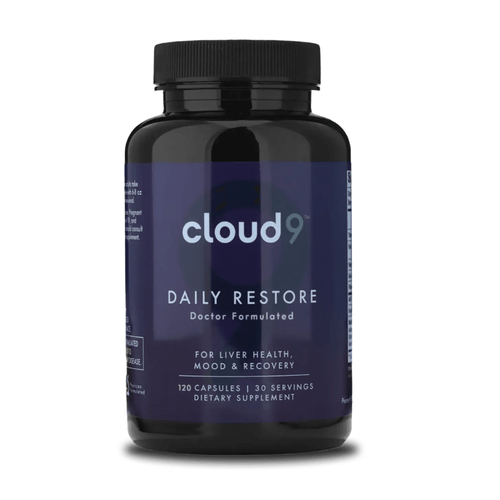
Cloud9 Daily Restore combines NAC, DHM, milk thistle, B vitamins, and ashwagandha to help support the pathways alcohol can tax most. Two capsules daily, drinking or not.
NAC | DHM | Milk Thistle | B Vitamins | Ashwagandha
See How Daily Restore WorksThe First Four Hours: Immediate Recovery Priorities
What you do in the first few hours after waking can dramatically influence how quickly your brain clears. These initial steps address the most urgent biochemical imbalances.
Rehydration Strategy
Plain water helps, but strategic rehydration works faster. Your brain needs electrolytes to function properly, and alcohol depletes sodium, potassium, and magnesium stores.
- Start with 16-20 ounces of water with electrolytes or a pinch of sea salt
- Continue drinking 8-10 ounces every hour for the first four hours
- Include coconut water or an electrolyte drink to restore mineral balance
- Avoid excessive caffeine initially, as it can worsen dehydration
Nutritional Support
Your brain is working overtime to recover, and it needs fuel. The right nutrients can accelerate the repair process and restore neurotransmitter balance.
Focus on foods rich in B vitamins, which alcohol depletes rapidly. Eggs, leafy greens, and whole grains help replenish these essential nutrients. Omega-3 fatty acids from sources like salmon or walnuts support brain cell membrane repair and reduce inflammation.
| Recovery Food | Key Benefits | Best Timing |
|---|---|---|
| Eggs with spinach | B vitamins, choline, protein for neurotransmitter production | Within 2 hours of waking |
| Salmon or walnuts | Omega-3s reduce inflammation, support cell repair | Lunch or mid-day |
| Blueberries | Antioxidants combat oxidative stress | Throughout the day |
| Sweet potato | Complex carbs stabilize blood sugar, provide steady energy | Lunch |
| Green tea | L-theanine promotes calm focus, gentle caffeine boost | Mid-morning |
Strategic Caffeine Use
Caffeine can help, but timing and amount matter. A moderate dose of caffeine (100-200mg) can improve focus and reduce fatigue, but too much too soon can increase anxiety and worsen dehydration.
Wait at least an hour after waking and rehydrating before consuming caffeine. Green tea offers a gentler option with L-theanine, an amino acid that promotes calm alertness without the jittery side effects of coffee.
Movement and Light Exposure
Physical activity might be the last thing you feel like doing, but gentle movement can significantly speed cognitive recovery. You're not aiming for an intense workout, just enough to get blood flowing and neurotransmitters moving.
The 20-Minute Reset
A 20-minute walk outside delivers multiple recovery benefits simultaneously. Natural light helps reset your disrupted circadian rhythm, which alcohol throws off course. Studies show that morning light exposure can improve alertness and cognitive function throughout the day.
The movement itself increases blood flow to the brain, delivering oxygen and nutrients while clearing metabolic waste products. Even light exercise triggers the release of endorphins and other mood-regulating neurotransmitters.
The combination of movement and natural light creates a powerful one-two punch for brain fog. You're addressing both the biochemical and circadian disruptions that alcohol causes, which is why this simple intervention can produce noticeable results within an hour.
Breathwork for Mental Clarity
Controlled breathing exercises can help clear brain fog surprisingly quickly. Deep breathing increases oxygen delivery to the brain and activates the parasympathetic nervous system, which promotes recovery and reduces stress.
- Try box breathing: inhale for 4 counts, hold for 4, exhale for 4, hold for 4
- Practice for 5-10 minutes when brain fog feels most intense
- Combine with light stretching for enhanced effects
The Recovery Timeline: What to Expect
Brain fog recovery isn't linear, but understanding the typical progression can help you gauge what's normal and when to adjust your approach.
Hours 1-4: Initial Stabilization
During this phase, focus on rehydration, gentle nutrition, and light movement. You may not feel dramatically better yet, but you're addressing the underlying biochemical issues. Many people notice a slight improvement in mental clarity by the end of this window.
Hours 4-8: Cognitive Improvement
This is when most people experience noticeable clearing. Your brain has had time to rehydrate, replenish critical nutrients, and restore some neurotransmitter balance. Complex tasks become more manageable, and that heavy mental fatigue starts to lift.
Support this phase with a nutrient-dense lunch, continued hydration, and avoiding alcohol or other substances that could disrupt recovery. A short 20-minute nap can provide additional benefits if your schedule allows.
Hours 8-24: Full Recovery
Most cognitive symptoms should resolve within 24 hours with proper recovery strategies. If brain fog persists beyond this point, it may indicate more significant dehydration, poor sleep quality, or that your drinking exceeded what your body can process efficiently.
Long-Term Protection Strategies
While addressing immediate brain fog matters, preventing it in the first place is even better. These strategies can help minimize cognitive aftereffects before they start.
Before You Drink
Preparation significantly impacts next-day cognitive function. Eating a substantial meal before drinking slows alcohol absorption and provides nutrients your body will need for processing. Hydrating well beforehand gives your body a buffer against alcohol's diuretic effects.
- Eat a meal with healthy fats, protein, and complex carbs before drinking
- Drink 16-20 ounces of water in the hours before you start
- Consider taking a B-complex vitamin and magnesium supplement
- Avoid drinking on an empty stomach or when sleep-deprived
While You're Drinking
Smart drinking habits can reduce brain fog severity dramatically. The classic advice to alternate alcoholic drinks with water isn't just conventional wisdom, it's supported by research on alcohol metabolism and cognitive effects.
Pace matters too. Your liver can process roughly one standard drink per hour. Exceeding this rate means alcohol accumulates in your system, increasing both the immediate intoxication and next-day cognitive impairment.
When to Seek Additional Support
If you're experiencing brain fog regularly after drinking, or if recovery takes longer than 24 hours consistently, it may signal that your alcohol consumption is exceeding what your brain can handle safely. Frequent cognitive impairment can indicate developing tolerance or dependence.
Consider whether your drinking patterns are serving your long-term cognitive health. If brain fog has become a regular part of your weekly routine, that's valuable feedback from your body about making changes.
How Daily Restore Supports Your Health
Understanding what your body needs is one thing. Getting consistent daily support is another. Daily Restore was designed to address the key pathways alcohol can stress most, in one simple daily formula.
NAC (N-Acetyl Cysteine)
Supports glutathione production and antioxidant defenses
DHM (Dihydromyricetin)
Supports alcohol metabolism
Milk Thistle (Silymarin)
Supports healthy liver function
B Vitamins
Help replenish nutrients involved in energy and metabolism
Ashwagandha
Supports stress resilience and healthy cortisol balance
Daily Restore is not a detox or a cure. It is a daily support formula designed for people who drink socially and want to give their body consistent, evidence-informed support.
Frequently Asked Questions
How long does brain fog typically last after drinking?
Brain fog duration varies depending on how much you drank, your hydration status, and individual factors like sleep quality and metabolism. For most people, mild to moderate brain fog can last anywhere from a few hours to 24 hours, though severe cases may persist longer if dehydration and nutrient depletion aren't addressed.
Can I take supplements the morning after, or should I take them before drinking?
Both approaches can help support your body, but taking supplements beforehand gives your system a head start on managing the oxidative stress and nutrient depletion that alcohol causes. That said, taking quality supplements the morning after can still provide meaningful support for hydration, cognitive function, and recovery when combined with proper rest and nutrition.
Does coffee help or hurt brain fog recovery?
Coffee can provide a temporary mental boost and help you feel more alert, but it's not a cure for brain fog and can worsen dehydration if you're not drinking enough water. If you do have coffee, pair it with plenty of water and electrolytes, and consider limiting yourself to one cup to avoid the jittery crash that can make you feel worse later.
Are there any foods I should avoid the day after drinking?
Heavy, greasy foods might seem appealing, but they can slow digestion and make you feel sluggish, which doesn't help brain fog. Similarly, high-sugar foods may give you a quick energy spike followed by a crash. Instead, focus on nutrient-dense, easy-to-digest options like eggs, leafy greens, berries, and lean proteins that support steady energy and cognitive recovery.
Will this plan work if I didn't sleep well after drinking?
Poor sleep definitely makes brain fog worse, since your brain needs quality rest to repair and consolidate memories. While this recovery plan can help support hydration, nutrition, and cognitive function, the best thing you can do is prioritize rest throughout the day, even if that means taking a nap or going to bed early. Recovery is a process, and sleep is a critical part of it.
The Bottom Line
Brain fog after a night out is your body's way of signaling that it needs support: hydration, nutrients, rest, and a little grace. While there's no magic solution that instantly erases the mental haze, a thoughtful recovery plan that addresses the root causes can help you feel clearer, more energized, and back to yourself faster.
The key is consistency. One day of recovery helps, but building habits that support your brain and body every day makes those occasional indulgences easier to bounce back from. That's where something like Daily Restore fits in naturally. With ingredients like glutathione, B vitamins, and electrolytes, it's designed to support cellular health, energy metabolism, and mental clarity as part of your daily routine, not just when you need damage control.
Think of it this way: recovery isn't just about what you do the morning after. It's about how you show up for your body every day. When you prioritize hydration, nutrient-rich foods, quality sleep, and movement, you build resilience that helps you handle stress, late nights, and the occasional celebration without feeling completely derailed.
So the next time brain fog hits, you'll know exactly what to do. And more importantly, you'll have the tools to support long-term cognitive health, energy, and wellness, no matter what life throws your way.
Build Your Daily Support Routine
Build Your Daily Support Routine
If drinking is part of your lifestyle, your support routine should not be random. Daily Restore was designed to help social drinkers support liver health, antioxidant defenses, alcohol metabolism, nutrient replenishment, and daily recovery in one simple routine.
NAC
DHM
Milk Thistle
B Vitamins
Ashwagandha