

There's a difference between enjoying a drink and relying on one. Most of us fall somewhere in the middle, but that gray area is exactly where important questions often go unasked.
If you've ever wondered whether your drinking habits deserve a second look, you're not alone. Research suggests that many people who could benefit from cutting back never consider themselves to have a "problem" because they don't fit the stereotype they've seen in movies or public service announcements.
This checklist isn't about labels or judgments. It's about helping you pay attention to patterns that may be affecting your sleep, your mood, your relationships, or your overall wellness in ways you haven't fully connected to alcohol.
Quick Take
- Warning signs often appear gradually in sleep quality, mood stability, and daily energy levels before becoming obvious problems
- Tolerance changes, drinking to manage emotions, and difficulty sticking to limits are key indicators worth examining
- Physical symptoms like disrupted sleep, increased anxiety, or digestive issues may be directly connected to alcohol consumption
- Social and relational patterns, such as others expressing concern or avoiding certain activities when sober, can reveal important insights
- Recognizing these signs early creates opportunities for positive change before more serious health consequences develop
Why Alcohol Awareness Matters More Than You Think
Alcohol affects nearly every system in your body, from your brain chemistry to your digestive health. Even moderate consumption can disrupt sleep architecture, interfere with nutrient absorption, and impact hormone balance in ways that compound over time.
Studies show that many people significantly underestimate how much they drink and overestimate how well they handle it. This isn't about willpower or character. It's about how ethanol interacts with neurotransmitters, creates tolerance, and gradually shifts what feels "normal" to you.
The good news is that awareness itself is powerful. Simply paying closer attention to your patterns, without immediate pressure to change everything, can open up choices you didn't realize you had. Your body has remarkable capacity to heal and rebalance when given the opportunity.
Daily Support for Social Drinkers
Your liver works hard every day. Give it consistent support.
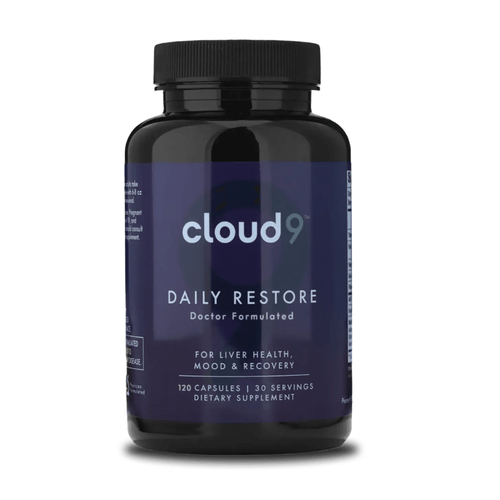
Cloud9 Daily Restore combines NAC, DHM, milk thistle, B vitamins, and ashwagandha to help support the pathways alcohol can tax most. Two capsules daily, drinking or not.
NAC | DHM | Milk Thistle | B Vitamins | Ashwagandha
See How Daily Restore WorksThe 10 Signs: Your Alcohol Awareness Checklist
These signs aren't meant to diagnose anything. They're conversation starters with yourself, invitations to get curious about patterns that may have become invisible through repetition.
1. You're Drinking More Than You Used to for the Same Effect
Tolerance develops when your liver becomes more efficient at processing alcohol and your brain adjusts its receptor sensitivity. What used to give you a pleasant buzz now barely registers, so you compensate by drinking more.
This adaptation isn't a sign that you "handle alcohol well." It's actually a sign that your body is working harder to protect itself from a substance it recognizes as toxic. The protective mechanism itself creates risk.
2. Your Sleep Quality Has Declined
Alcohol might help you fall asleep faster, but it severely disrupts your sleep cycles throughout the night. Research consistently shows that even moderate drinking suppresses REM sleep and causes more frequent awakenings in the second half of the night.
If you're waking up at 3 AM with your mind racing, or feeling unrested despite spending eight hours in bed, alcohol could be the culprit. Many people notice dramatic sleep improvements within just a few days of cutting back.
3. You Drink to Manage Stress, Anxiety, or Difficult Emotions
Using alcohol as an emotional regulation tool creates a problematic feedback loop. While it may provide temporary relief, alcohol actually increases anxiety and stress sensitivity over time by disrupting your natural stress-response systems.
Pay attention to your internal dialogue. Thoughts like "I need a drink after this day" or "I can't relax without wine" suggest that alcohol has become your primary coping mechanism, crowding out healthier alternatives.
4. You Have Trouble Sticking to Limits You Set
You decide you'll have one or two drinks, but consistently end up having more. This isn't about lacking discipline. Alcohol impairs the prefrontal cortex, the part of your brain responsible for impulse control and decision-making, which makes it neurologically harder to stop once you start.
If you find yourself negotiating with your own limits regularly, that gap between intention and action deserves attention.
5. Others Have Expressed Concern About Your Drinking
When people who care about you bring up your drinking, the natural response is often defensiveness. But consider that they're seeing patterns from an outside perspective that may be difficult for you to see from within.
You don't have to agree with everything they say, but their concern is data worth considering alongside your own self-assessment.
The signs that matter most aren't always the dramatic ones. Often, they're the subtle shifts in how you feel, how you sleep, and how you show up in your daily life that quietly accumulate until they become your new normal.
6. You're Experiencing More Anxiety, Depression, or Mood Swings
Alcohol is a central nervous system depressant that disrupts neurotransmitter balance, particularly affecting serotonin, dopamine, and GABA. Regular consumption can contribute to increased anxiety (especially the day after drinking), persistent low mood, and emotional volatility.
Many people are surprised to discover that what they thought was a separate mental health issue improves significantly when they reduce or eliminate alcohol. The relationship between drinking and mood can be hard to see because it's not always immediate or linear.
7. You're Having Digestive Issues or Physical Symptoms
Alcohol irritates the gastrointestinal lining, disrupts gut bacteria balance, and interferes with nutrient absorption. It can contribute to acid reflux, bloating, irregular bowel movements, and inflammation throughout the digestive system.
Other physical signs to notice include:
- Frequent headaches or brain fog
- Skin issues like redness, puffiness, or breakouts
- Weight gain or difficulty losing weight despite diet efforts
- Elevated blood pressure or heart palpitations
- Increased susceptibility to colds or infections
8. You Avoid Activities or Situations Where You Can't Drink
Notice if you're turning down invitations, skipping events, or feeling resistant to activities that don't involve alcohol. This pattern suggests that drinking has become central to how you socialize, relax, or enjoy yourself.
The flip side is also worth examining: do you feel uncomfortable or bored in social situations when you're not drinking? That discomfort is information about how alcohol may be functioning in your life.
9. You're Thinking About Drinking More Often Than You'd Like
Mental preoccupation shows up in subtle ways. Looking forward to your evening drink throughout the workday, planning your schedule around when you can drink, or feeling a sense of urgency or relief when you finally pour that first glass.
When drinking occupies significant mental real estate, whether you're looking forward to it, planning it, or trying to control it, that's a sign worth paying attention to.
10. Your Drinking Patterns Have Changed Over Time
Gradual escalation is one of the most common patterns people miss because each small increase feels insignificant. You went from weekend drinking to most nights. From one glass to finishing the bottle. From social drinking to solo drinking.
Looking at the trajectory over months or years, rather than just evaluating your current snapshot, can reveal patterns that deserve consideration.
Understanding Your Relationship With Alcohol: A Self-Assessment
These questions can help you get more specific about how alcohol is functioning in your life. Honest answers matter more than "right" answers.
| Question | Never | Sometimes | Often |
|---|---|---|---|
| Do you drink more than you intended? | ☐ | ☐ | ☐ |
| Do you feel guilty or ashamed about your drinking? | ☐ | ☐ | ☐ |
| Do you use alcohol to cope with stress or emotions? | ☐ | ☐ | ☐ |
| Has drinking interfered with responsibilities or relationships? | ☐ | ☐ | ☐ |
| Do you feel anxious or irritable when you can't drink? | ☐ | ☐ | ☐ |
| Do you need more alcohol to feel the same effects? | ☐ | ☐ | ☐ |
If you checked "Sometimes" or "Often" for multiple questions, it may be worth exploring changes to your drinking habits. The specific pattern matters less than your honest assessment of whether alcohol is supporting or undermining your wellbeing.
What to Do If You Recognize These Signs
Awareness doesn't require immediate dramatic action. In fact, small, sustainable changes often work better than extreme measures that feel impossible to maintain.
Start With Observation
Before trying to change anything, simply track your drinking for two weeks. Note when you drink, how much, what prompted it, and how you feel the next day. This data removes guesswork and reveals patterns you might not notice otherwise.
Many people find that awareness alone begins to shift their choices, without willpower or force.
Experiment With Reduction
You don't have to quit entirely to benefit from cutting back. Research shows that reducing alcohol consumption can improve sleep, mood, energy, and metabolic health within days to weeks.
Try designating specific alcohol-free days each week, reducing portion sizes, or setting a hard stop time in the evening. Notice what you gain, not just what you're giving up.
Address the Underlying Needs
If you're drinking to manage stress, boredom, social anxiety, or difficult emotions, those needs don't disappear when you cut back on alcohol. They require alternative solutions.
Consider what alcohol has been providing for you: relaxation, social confidence, a way to mark the end of the workday, emotional numbing. Then explore other tools that can meet those needs more effectively, whether that's breathwork, exercise, therapy, creative outlets, or community connection.
Consider Professional Support
There's no shame in getting help. Whether it's talking to your healthcare provider, working with a therapist who specializes in substance use, or exploring support groups, professional guidance can make the process easier and more sustainable.
If you're experiencing physical withdrawal symptoms when you try to cut back (shaking, sweating, severe anxiety, or nausea), medical supervision is important for safety.
How Daily Restore Supports Your Health
Understanding what your body needs is one thing. Getting consistent daily support is another. Daily Restore was designed to address the key pathways alcohol can stress most, in one simple daily formula.
NAC (N-Acetyl Cysteine)
Supports glutathione production and antioxidant defenses
DHM (Dihydromyricetin)
Supports alcohol metabolism
Milk Thistle (Silymarin)
Supports healthy liver function
B Vitamins
Help replenish nutrients involved in energy and metabolism
Ashwagandha
Supports stress resilience and healthy cortisol balance
Daily Restore is not a detox or a cure. It is a daily support formula designed for people who drink socially and want to give their body consistent, evidence-informed support.
Frequently Asked Questions
How many drinks per week is considered too much?
Health guidelines generally suggest that moderate drinking means up to one drink per day for women and up to two for men. However, these are general guidelines, and individual tolerance varies based on factors like body weight, metabolism, and overall health. If you're regularly exceeding these amounts or drinking primarily to cope with stress, it may be worth reassessing your relationship with alcohol.
Can I reset my tolerance to alcohol?
Taking an extended break from drinking can help your body recalibrate and may lower your tolerance over time. Many people find that after a month or more without alcohol, they feel the effects more quickly when they do drink again. This reset period can also give you valuable insight into how alcohol affects your mood, sleep, and energy levels.
What's the difference between a drinking habit and a drinking problem?
A habit is a routine behavior that you can modify relatively easily, while a problem involves loss of control, negative consequences, and difficulty stopping despite wanting to. If you can take breaks without discomfort, adjust your consumption based on circumstances, and don't experience significant negative impacts, you likely have a habit rather than a dependency. When drinking interferes with your responsibilities, relationships, or health, it's time to seek professional guidance.
Will taking a break from alcohol improve my health?
Research suggests that even short breaks from alcohol can lead to noticeable improvements in sleep quality, energy levels, skin appearance, and mental clarity. Many people also report better mood regulation, reduced anxiety, and improved digestion after just a few weeks without drinking. The liver is remarkably resilient and can begin to recover relatively quickly once alcohol consumption stops.
How do I know if I need professional help with my drinking?
If you've tried to cut back multiple times without success, experience withdrawal symptoms when you stop drinking, or find that alcohol is affecting your work, relationships, or physical health, professional support can be helpful. There's no shame in reaching out to a healthcare provider, therapist, or support group. Early intervention often leads to better outcomes and can prevent more serious issues down the road.
The Bottom Line
Being honest about your drinking habits isn't about judgment, it's about awareness. If you recognized yourself in several of these signs, you're not alone, and you're not facing a moral failing. You're simply at a point where your relationship with alcohol deserves some thoughtful attention.
The good news is that small, consistent changes can make a meaningful difference. Whether you're looking to cut back, take a break, or simply support your body better during periods when you do drink, having a plan helps. Cloud9's Daily Restore is designed to fit into your routine as a steady source of liver support, hydration, and replenishment, helping you feel more balanced day after day.
Real change happens when you pair awareness with action. Start by setting one realistic goal, whether that's tracking your drinks for a week, scheduling alcohol-free days, or adding a supportive supplement to your morning routine. Progress doesn't require perfection, just consistent steps in the right direction.
Your body has an impressive capacity to heal and restore itself when given the right support. By paying attention to the signs, making intentional choices, and giving yourself the nutrients and care you need, you're investing in clearer thinking, better energy, and a healthier future. That's something worth raising a glass of water to.
Build Your Daily Support Routine
Build Your Daily Support Routine
If drinking is part of your lifestyle, your support routine should not be random. Daily Restore was designed to help social drinkers support liver health, antioxidant defenses, alcohol metabolism, nutrient replenishment, and daily recovery in one simple routine.
NAC
DHM
Milk Thistle
B Vitamins
Ashwagandha