

You're at a dinner party, feeling great about your decision to moderate your drinking, when someone fills your glass without asking. Or a well-meaning friend insists you need "just one more" to celebrate properly. Suddenly, your personal choice feels like a public debate.
Peer pressure around alcohol doesn't disappear after college. It just gets more subtle, wrapped in hospitality, tradition, or the assumption that everyone drinks the same way. The good news is that with the right mindful drinking hacks, you can navigate these moments with confidence and zero awkwardness.
Whether you're cutting back, taking a break, or simply drinking more intentionally, these strategies can help you handle social pressure while staying comfortable in your own skin.
Quick Take
- Peer pressure to drink more often comes from others' discomfort with their own habits, not judgment of yours
- Having a drink in hand (alcoholic or not) eliminates most pressure before it starts
- Brief, confident responses work better than lengthy explanations when declining drinks
- Shifting focus from what you're drinking to the social connection reduces awkwardness naturally
- Pre-planning your approach and exit strategy makes navigating social drinking situations significantly easier
Why Peer Pressure Around Drinking Feels So Intense
Alcohol has deep roots in social bonding across cultures, which makes choosing differently feel like stepping outside the group. Research suggests that when someone moderates their drinking in a social setting, it can trigger subtle defensiveness in others about their own consumption patterns. This isn't about you at all, it's about their relationship with alcohol.
Studies show that social norms around drinking are incredibly powerful, often more influential than personal preferences. When the group default is "everyone drinks," choosing differently can feel like swimming upstream. Understanding this dynamic can help you recognize that pressure often stems from social scripts rather than genuine concern or judgment.
The physical effects of alcohol also play a role. As people drink more, their inhibition around offering drinks decreases while their awareness of social cues diminishes. This creates a feedback loop where the more others drink, the more they may push drinks on you, often without realizing it.
Daily Support for Social Drinkers
Your liver works hard every day. Give it consistent support.
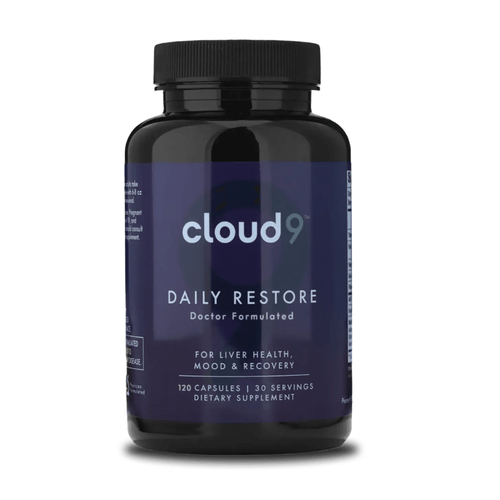
Cloud9 Daily Restore combines NAC, DHM, milk thistle, B vitamins, and ashwagandha to help support the pathways alcohol can tax most. Two capsules daily, drinking or not.
NAC | DHM | Milk Thistle | B Vitamins | Ashwagandha
See How Daily Restore WorksThe "Always Have a Drink in Hand" Strategy
One of the simplest mindful drinking hacks is ensuring you always have a beverage, regardless of what's in it. An empty hand signals availability for a refill, while a full glass creates a natural barrier to offers.
What to Keep in Your Hand
- Sparkling water with lime in a rocks glass (looks like a gin and tonic)
- Kombucha or hop water in the original can (signals you're drinking something intentional)
- A single beer or glass of wine you nurse slowly throughout the evening
- Mocktails or non-alcoholic spirits in proper glassware
- Club soda with bitters and citrus (complex enough to sip slowly)
The key is choosing something you genuinely enjoy sipping. If you're forcing down something you dislike, you'll finish it quickly and end up with an empty glass again. Match the drinking pace of the room with whatever's in your hand.
The Psychological Shield Effect
Having a drink creates what psychologists call a "visual cue" that you're already taken care of. Most people won't offer you another drink if you clearly have one. This simple hack eliminates about 80% of potential pressure before anyone even approaches you.
If someone does offer despite your full glass, a simple gesture toward your drink with "I'm good, thanks" ends the interaction naturally. No explanation needed, no awkwardness created.
Mastering the Art of the Brief Decline
When someone offers you a drink you don't want, your response length matters more than its content. Over-explaining signals discomfort and invites follow-up questions. Brief confidence shuts down pressure immediately.
High-Impact, Low-Explanation Responses
| Response | Why It Works |
|---|---|
| "I'm good for now, thanks" | Leaves door open for later, feels friendly not final |
| "I'm pacing myself tonight" | Implies you ARE drinking, just strategically |
| "I've got an early morning" | Universal excuse that needs no elaboration |
| "Not right now, but I'll grab you if I want one" | Politely ends the interaction while seeming collaborative |
| "I'm driving" or "I'm on medication" | Conversation-enders that invoke safety or health |
Notice that none of these responses mention moderation, sobriety, or mindful drinking. You don't owe anyone your reasoning. The most effective declines focus on the immediate moment rather than your larger choices.
What to Avoid Saying
Certain responses inadvertently invite debate or further pressure. Avoid phrases like "I'm trying to cut back" (suggests you might be persuaded), "I probably shouldn't" (implies you want to but feel you can't), or "I'm doing a challenge" (invites questions about duration and exceptions).
Similarly, apologizing ("Sorry, but I can't") frames your choice as a disappointment to others. You're making a personal decision that doesn't require an apology. Confident people decline offers all the time without saying sorry.
Redirecting the Social Energy
Often, offers to drink more come from a genuine desire to connect and celebrate together. When you recognize this underlying intention, you can redirect that energy toward the actual goal: connection.
The most successful mindful drinkers don't just decline drinks, they actively steer conversations and activities toward what they do want. This shift from defensive to proactive changes the entire dynamic.
Connection Without Consumption
When someone pushes another round, try redirecting: "I'm good on drinks, but I'd love to hear more about..." or "Let's grab some of those appetizers instead." You're not rejecting the person, just redirecting the bonding activity.
Physical movement also helps. Suggest moving to a different area, stepping outside for air, or joining another conversation. Once you've physically relocated, the drink offer naturally dissolves without direct rejection.
Becoming the Organizer
One powerful mindful drinking hack is taking an active role in the social experience. Offer to make a round of interesting mocktails, suggest a group activity like a game, or take charge of the music. When you're contributing to the fun in other ways, pressure to drink more diminishes significantly.

Handling the Persistent Persuader
Most people accept a polite decline. But occasionally, you'll encounter someone who keeps pushing. This person may be dealing with their own relationship with alcohol, or they might genuinely believe they're being a good host.
The Broken Record Technique
Simply repeat your initial response, word for word, with the same friendly tone. "I'm good for now, thanks" works the first time, the second time, and the third time. Most persistent persuaders give up when they realize they're not getting a new angle to work with.
If repetition doesn't work, you can add mild humor: "You're really committed to getting me drunk, huh?" Said with a laugh, this often makes the person realize they've crossed into pushy territory.
The Strategic Exit
Sometimes the best response to persistent pressure is physical distance. Excuse yourself to the restroom, to greet someone across the room, or to take a phone call. When you return, position yourself near different people. You've removed yourself from the pressure without confrontation.
When to Be Direct
If someone continues pushing despite repeated gentle declines, it's appropriate to be clear: "I appreciate the offer, but I've made my choice for tonight." The shift from "not right now" to "I've decided" communicates finality without hostility.
In rare cases where someone becomes genuinely aggressive about your drinking choices, that's a signal about them, not you. Research suggests that people who pressure others to drink excessively often struggle with their own consumption. You can choose to leave the situation entirely, and that's a valid response to boundary violations.
Pre-Game Your Mindful Drinking Strategy
The most effective way to handle peer pressure is deciding your approach before you arrive. When you've already made decisions, in-the-moment pressure has less power.
Your Pre-Event Mindful Drinking Checklist
- Decide your limit before arriving (number of drinks, timeline, or both)
- Identify your go-to decline phrases and practice saying them out loud
- Research what non-alcoholic options will be available, or bring your own
- Eat a substantial meal before events where drinking is central
- Have a planned exit time and transportation arranged in advance
- Identify at least one person at the event who supports your choices
- Prepare a brief answer if asked why you're not drinking more
The Power of the Buddy System
If possible, attend events with someone who knows your intentions. This person can run interference ("Oh, she's good, we just grabbed drinks"), provide distraction when needed, or simply offer supportive eye contact across the room. Having an ally makes navigating social pressure significantly easier.
Your buddy doesn't need to be moderating themselves. They just need to respect your choice and be willing to support it actively when you're together.
Setting Your Mental Frame
Before walking into a social situation, remind yourself why you're choosing to drink mindfully. Whether it's better sleep, clearer mornings, health goals, or simply preferring moderation, reconnecting with your "why" strengthens your resolve when pressure arrives.
Also remember that most people aren't paying as much attention to your drinking as you think they are. The spotlight effect makes us believe others notice our choices more than they actually do. Most people are focused on their own experience, not monitoring your glass.
How Daily Restore Supports Your Health
Understanding what your body needs is one thing. Getting consistent daily support is another. Daily Restore was designed to address the key pathways alcohol can stress most, in one simple daily formula.
NAC (N-Acetyl Cysteine)
Supports glutathione production and antioxidant defenses
DHM (Dihydromyricetin)
Supports alcohol metabolism
Milk Thistle (Silymarin)
Supports healthy liver function
B Vitamins
Help replenish nutrients involved in energy and metabolism
Ashwagandha
Supports stress resilience and healthy cortisol balance
Daily Restore is not a detox or a cure. It is a daily support formula designed for people who drink socially and want to give their body consistent, evidence-informed support.
Frequently Asked Questions
What if someone keeps pressuring me even after I've said no?
Stay calm and don't feel obligated to justify your choice repeatedly. A simple "I've already told you I'm good, thanks" works well. If the pressure continues, it may be worth considering whether this person respects your boundaries in other areas of your life.
How do I handle drinking pressure at work events?
Professional settings actually make this easier since most colleagues respect boundaries around alcohol. Try ordering a non-alcoholic drink first, holding a drink so you're not repeatedly offered one, or mentioning you have an early morning commitment. Most work cultures today support mindful drinking choices.
Is it okay to lie about why I'm not drinking?
While honesty is generally ideal, using a simple excuse like "I'm driving" or "I have an early morning" is perfectly acceptable if it helps you feel more comfortable. You're not obligated to share personal health decisions with everyone. Choose whatever approach helps you stick to your boundaries without added stress.
Can mindful drinking actually improve my social life?
Many people find that drinking less helps them feel more present and engaged in conversations, remember details from events better, and avoid post-drinking anxiety. Research suggests that moderate drinking habits can support better sleep quality and mood stability, which may help you show up more fully in your relationships.
What if I miss the ritual of having a drink to unwind?
Creating new rituals can help replace the unwinding function that alcohol served. Consider a special mocktail, herbal tea, or incorporating adaptogens and botanicals that support relaxation without alcohol. The ritual itself, rather than the alcohol content, often provides much of the psychological benefit.
The Bottom Line
Handling peer pressure around drinking doesn't have to be awkward or uncomfortable. With the right phrases, confident body language, and clear personal boundaries, you can navigate social situations while honoring your mindful drinking goals. The key is preparation: know your reasons, have your responses ready, and remember that you never owe anyone an explanation for your choices.
Most pressure comes from others' discomfort with their own drinking habits, not from genuine concern about yours. By staying confident and consistent, you may even inspire others to examine their relationship with alcohol. Surrounding yourself with supportive people who respect your boundaries makes the journey significantly easier.
Building sustainable habits takes daily support. Cloud9's Daily Restore combines adaptogens, botanicals, and amino acids that can help your body manage stress and support natural balance as you navigate social pressures and lifestyle changes. Taking a consistent daily supplement provides a tangible ritual that reinforces your commitment to mindful choices.
Whether you're cutting back, taking a break, or simply drinking more intentionally, your choices deserve respect, including from yourself. Start with one strategy from this guide, practice it, and build from there. Mindful drinking is a personal journey, and you get to define what success looks like on your own terms.
Build Your Daily Support Routine
Build Your Daily Support Routine
If drinking is part of your lifestyle, your support routine should not be random. Daily Restore was designed to help social drinkers support liver health, antioxidant defenses, alcohol metabolism, nutrient replenishment, and daily recovery in one simple routine.
NAC
DHM
Milk Thistle
B Vitamins
Ashwagandha