
You wake up after a night of heavy drinking and everything feels wrong. Not just the headache or nausea, but something deeper. You feel anxious about conversations you can barely remember, on the verge of tears for no clear reason, or strangely detached from yourself and everyone around you.
This emotional rawness after drinking isn't weakness or drama. It's your brain chemistry struggling to rebalance after alcohol flooded your system with artificial calm, then yanked it away. Understanding why this happens can help you make better choices about drinking and recognize when you might need support.
If you've ever wondered why you feel emotionally fragile, anxious, or depressed in the days after drinking, the answer lies in how alcohol fundamentally alters your brain's delicate balance of mood-regulating chemicals.
Quick Take
- Alcohol disrupts GABA and glutamate, the brain chemicals that regulate calm and excitation, causing rebound anxiety and emotional sensitivity
- Heavy drinking temporarily boosts serotonin and dopamine, then crashes these mood regulators for days afterward
- Your brain's stress response system (HPA axis) stays activated longer after drinking, keeping cortisol elevated and emotions unstable
- Sleep disruption from alcohol prevents emotional processing, leaving you more reactive and less resilient
- Regular heavy drinking can create lasting changes in brain chemistry that make emotional regulation harder even when sober
The Chemistry Behind Emotional Hangovers
Alcohol doesn't just make you feel relaxed in the moment. It fundamentally alters the balance of neurotransmitters that regulate your emotional state. While you're drinking, alcohol enhances GABA (your brain's primary calming chemical) and suppresses glutamate (which keeps you alert and energized). This creates that pleasant, relaxed buzz.
But your brain doesn't like being chemically hijacked. As alcohol leaves your system, it overcompensates by producing less GABA and more glutamate than normal. Research suggests this rebound effect can last 24 to 72 hours after heavy drinking, leaving you feeling anxious, jittery, and emotionally on edge even as the physical hangover fades.
Meanwhile, alcohol triggers a temporary flood of dopamine and serotonin, the neurotransmitters associated with pleasure and mood stability. When these crash back to below-baseline levels, you're left feeling flat, sad, or emotionally numb. This isn't just "feeling bad." It's your brain chemistry temporarily unable to generate normal emotional responses.
Daily Support for Social Drinkers
Your liver works hard every day. Give it consistent support.
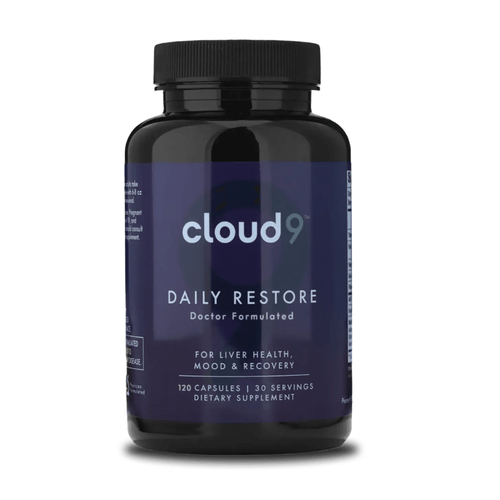
Cloud9 Daily Restore combines NAC, DHM, milk thistle, B vitamins, and ashwagandha to help support the pathways alcohol can tax most. Two capsules daily, drinking or not.
NAC | DHM | Milk Thistle | B Vitamins | Ashwagandha
See How Daily Restore WorksWhy Everything Feels More Intense After Drinking
Your Emotional Thermostat Is Broken
Think of your brain as having an emotional thermostat that keeps your reactions proportional to what's happening. Alcohol breaks this thermostat temporarily. Small setbacks feel catastrophic, minor social interactions replay on loop as potential disasters, and you might cry at things that wouldn't normally affect you.
This happens because the prefrontal cortex (your brain's rational control center) recovers more slowly from alcohol than the amygdala (your emotional alarm system). Studies show this creates a window where your emotional responses are heightened but your ability to regulate them is diminished. You're essentially all gas pedal and no brakes.
The Stress Hormone Spiral
Heavy drinking activates your hypothalamic-pituitary-adrenal (HPA) axis, the system that manages stress responses. This floods your body with cortisol, the primary stress hormone. Unlike normal stress that resolves when the situation passes, alcohol-induced cortisol elevation can persist for days.
High cortisol makes you feel on edge, interferes with sleep quality, and amplifies negative emotions while dulling positive ones. Research suggests that regular heavy drinkers may develop a chronically dysregulated stress response, making them more emotionally reactive even during sober periods.

The Sleep-Emotion Connection You Can't Ignore
Alcohol might help you fall asleep faster, but it devastates sleep quality in ways that directly impact emotional stability. As your body metabolizes alcohol, it disrupts REM sleep, the stage where your brain processes emotional experiences and consolidates memories.
Without adequate REM sleep, your brain can't properly file away the day's emotional events. This leaves you with a backlog of unprocessed feelings and increased emotional reactivity. Research suggests just one night of disrupted REM sleep can increase anxiety and emotional sensitivity by up to 30%.
After heavy drinking, you might experience fragmented sleep for several nights, creating a compounding deficit. Each night of poor sleep makes emotional regulation harder, which can increase the temptation to drink again for relief, creating a difficult cycle.
Signs Your Sleep Is Undermining Your Mental Health
- Waking frequently during the night, especially between 2-4 AM when blood alcohol drops
- Vivid, disturbing dreams or nightmares when you do achieve REM sleep
- Feeling unrested despite spending 7-8 hours in bed
- Increased irritability, emotional reactions, or anxiety the next day
- Difficulty concentrating or making decisions due to mental fog
When Emotional Rawness Signals Something Deeper
Occasional emotional sensitivity after drinking is normal brain chemistry at work. But persistent or severe emotional symptoms may indicate a more complex relationship between alcohol and mental health. Many people use alcohol to self-medicate underlying anxiety, depression, or trauma without realizing it.
The challenge is that alcohol provides short-term relief while worsening the underlying condition over time. Studies show that regular heavy drinking can actually cause or exacerbate anxiety and depression, creating symptoms that weren't present before or making existing mental health conditions harder to manage.
Red Flags That Warrant Professional Support
| Warning Sign | What It May Indicate |
|---|---|
| Suicidal thoughts or self-harm urges after drinking | Severe depression requiring immediate professional help |
| Panic attacks or severe anxiety lasting more than 3 days post-drinking | Possible underlying anxiety disorder worsened by alcohol |
| Inability to feel pleasure or emotion for days after drinking | Anhedonia, a symptom of depression or neurotransmitter depletion |
| Drinking to avoid emotional discomfort or difficult feelings | Emotional avoidance pattern that may develop into dependence |
| Emotional symptoms worsening despite reducing drinking | Underlying mental health condition needing separate treatment |
The relationship between alcohol and mental health runs both ways. While heavy drinking can cause emotional rawness and mood disturbances, many people unknowingly use alcohol to manage pre-existing mental health conditions. Understanding which came first is essential for finding the right support and breaking cycles that aren't serving you.
Protecting Your Mental Health While You Drink
Strategies That Actually Help
If you're not ready to stop drinking entirely, certain approaches can help minimize the emotional aftermath. These won't eliminate the neurochemical effects, but research suggests they can reduce their severity and duration.
Hydration matters more than most people realize. Alcohol is a diuretic that depletes the fluids and electrolytes your brain needs for neurotransmitter production. Drinking water throughout the evening and before bed can help maintain better chemical balance.
- Alternate alcoholic drinks with full glasses of water throughout the night
- Eat protein and complex carbs before and while drinking to slow alcohol absorption
- Set a drink limit before you start and track what you're consuming
- Avoid drinking on consecutive nights to give your brain chemistry time to recover
- Plan recovery days with low stress, as your emotional reserves will be depleted
The 48-Hour Recovery Window
Understanding the timeline of emotional recovery can help you plan and manage expectations. Most people experience the worst emotional symptoms between 12 and 48 hours after heavy drinking, not during the initial physical hangover.
During this window, your brain is actively working to restore chemical balance. Supporting this process with good sleep, nutritious food, gentle movement, and stress management can help you recover faster. Avoid making major decisions or having difficult conversations during this vulnerable period when possible.
When Cutting Back Isn't Enough
Some people find that no amount of moderation prevents significant emotional fallout from drinking. If you consistently feel emotionally destabilized after drinking despite taking precautions, it may be worth exploring a longer break or reassessing your relationship with alcohol altogether.
This isn't failure or weakness. Research suggests that individual brain chemistry varies significantly, and some people are simply more vulnerable to alcohol's emotional effects. Recognizing this about yourself is a form of self-knowledge that can guide better choices for your mental health.
How Daily Restore Supports Your Health
Understanding what your body needs is one thing. Getting consistent daily support is another. Daily Restore was designed to address the key pathways alcohol can stress most, in one simple daily formula.
NAC (N-Acetyl Cysteine)
Supports glutathione production and antioxidant defenses
DHM (Dihydromyricetin)
Supports alcohol metabolism
Milk Thistle (Silymarin)
Supports healthy liver function
B Vitamins
Help replenish nutrients involved in energy and metabolism
Ashwagandha
Supports stress resilience and healthy cortisol balance
Daily Restore is not a detox or a cure. It is a daily support formula designed for people who drink socially and want to give their body consistent, evidence-informed support.
Frequently Asked Questions
How long does it take for your brain chemistry to return to normal after drinking?
The timeline varies depending on how much you drank and your individual physiology, but most people notice mood stabilization within 24 to 72 hours as neurotransmitter levels gradually rebalance. For regular heavy drinkers, it can take longer for the brain to fully recalibrate. Supporting your recovery with hydration, nutrition, and quality sleep can help speed up the process.
Why do I feel more anxious the day after drinking than I did while drunk?
Alcohol temporarily suppresses your nervous system and anxiety responses, creating a false sense of calm. When it leaves your system, your brain often overcompensates with heightened stress signals and depleted calming neurotransmitters like GABA and serotonin. This rebound effect, sometimes called "hangxiety," is your body's way of restoring equilibrium after being chemically disrupted.
Can certain nutrients actually help improve mood after drinking?
Research suggests that specific nutrients can support the recovery process by providing the building blocks your brain needs to restore neurotransmitter balance. B vitamins, magnesium, and amino acids like L-theanine may help support calmer mood and clearer thinking as your system rebalances. While they're not a cure-all, targeted nutritional support can complement your body's natural healing mechanisms.
Is it normal to feel emotional or cry easily after a night of heavy drinking?
Yes, heightened emotional sensitivity is completely normal during alcohol recovery. Alcohol disrupts the neurotransmitters that regulate mood stability, leaving you more vulnerable to emotional ups and downs. This temporary state usually passes within a day or two as your brain chemistry normalizes.
Should I be concerned if I feel depressed after drinking regularly?
If feelings of depression persist beyond the typical recovery window or happen frequently after drinking, it's worth paying attention to. Regular alcohol consumption can contribute to ongoing mood imbalances and may worsen underlying mental health concerns. Consider speaking with a healthcare provider if you notice a pattern of persistent low mood, especially if it's affecting your daily life.
The Bottom Line
Feeling emotionally raw after heavy drinking isn't a sign of weakness or overreaction. It's your brain responding to real biochemical disruption. Understanding the science behind these mood shifts can help you approach recovery with more patience and less self-judgment.
The good news is that your brain is remarkably resilient. With the right support, including rest, hydration, nutrition, and targeted nutrients, you can help your system find its equilibrium more efficiently. Small, consistent choices add up to meaningful support for both your immediate recovery and long-term mental wellness.
Cloud9's Daily Restore was designed with this exact challenge in mind. By delivering research-backed nutrients that support neurotransmitter balance and stress response, it can help smooth out the emotional turbulence that often follows drinking. Whether you're navigating the occasional heavy night or looking to support your mental clarity on a daily basis, having a consistent routine makes a difference.
Your mental health matters, during the good times and the rough mornings alike. Taking steps to understand and support your brain's needs is an investment that pays dividends far beyond hangover recovery.
Build Your Daily Support Routine
Build Your Daily Support Routine
If drinking is part of your lifestyle, your support routine should not be random. Daily Restore was designed to help social drinkers support liver health, antioxidant defenses, alcohol metabolism, nutrient replenishment, and daily recovery in one simple routine.
NAC
DHM
Milk Thistle
B Vitamins
Ashwagandha