

You reach for a drink without thinking. One becomes three, and suddenly you're wondering why you feel foggy the next morning when you didn't even mean to have that much. If this sounds familiar, you're not experiencing a lack of willpower—you're experiencing autopilot drinking.
Mindless drinking happens when alcohol becomes a default response to stress, boredom, or social situations rather than a conscious choice. The good news? Small shifts in awareness can help you break the pattern and start drinking with genuine intention.
This guide shares practical mindful drinking hacks that can help you pause, assess, and make choices that align with what you actually want—not just what your habits dictate.
Quick Take
- Mindless drinking often stems from habit loops, not conscious decisions about whether you actually want alcohol
- Creating intentional pauses before drinking can help you distinguish between genuine desire and autopilot behavior
- Environmental cues like glass size, visibility, and social pressure significantly influence how much you drink
- Alternating alcoholic drinks with non-alcoholic options helps slow consumption while maintaining the social ritual
- Building a toolkit of alternative responses to triggers creates new pathways that don't default to alcohol
Why We Default to Mindless Drinking
Our brains love efficiency, so they create habit loops that conserve mental energy. Research suggests that up to 40% of our daily actions are driven by habits rather than conscious decisions. When drinking becomes part of these automatic routines—after work, during dinner, at social events—we stop questioning whether we actually want it.
These patterns strengthen over time through a simple cycle: cue, routine, reward. The cue might be walking in the door after work, the routine is pouring a drink, and the reward is temporary stress relief. Your brain learns this sequence so well that it initiates the behavior before your conscious mind catches up.
Environmental factors also play a significant role. Studies show that larger glasses, visible alcohol storage, and social drinking contexts can increase consumption by 20-30% without you noticing. Understanding these influences is the first step toward regaining control.
Daily Support for Social Drinkers
Your liver works hard every day. Give it consistent support.
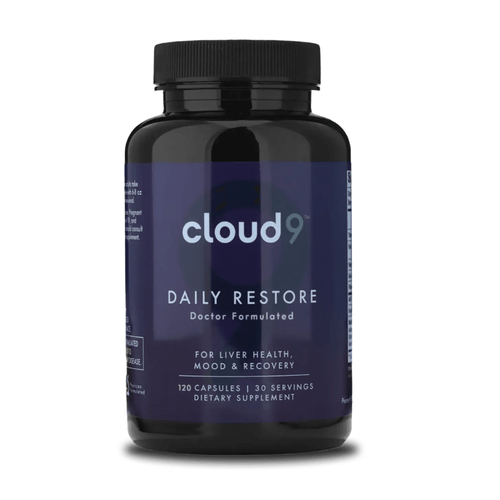
Cloud9 Daily Restore combines NAC, DHM, milk thistle, B vitamins, and ashwagandha to help support the pathways alcohol can tax most. Two capsules daily, drinking or not.
NAC | DHM | Milk Thistle | B Vitamins | Ashwagandha
See How Daily Restore WorksPractical Mindful Drinking Hacks That Actually Work
The Five-Minute Pause
Before reaching for a drink, set a timer for five minutes and ask yourself three questions: Am I actually craving this, or is it just habit? What am I really seeking right now? Will this choice support how I want to feel tomorrow?
This brief interruption disrupts the automatic habit loop and activates your prefrontal cortex, the decision-making part of your brain. You might discover you're actually thirsty, tired, or looking for a way to transition from work mode.
The One-to-One Rule
For every alcoholic drink, have one full glass of water or a non-alcoholic alternative. This simple hack automatically slows your pace, keeps you hydrated, and reduces overall alcohol consumption without feeling restrictive.
The beauty of this approach is that you're not saying no to alcohol—you're saying yes to balance. Many people find they naturally drink less alcohol when they build in these intentional pauses.
Change Your Glass
Visual cues have more power than you might think. Switch to smaller glasses or use stemware that requires more deliberate handling. Research suggests that people pour 20-30% more into wide, short glasses compared to tall, narrow ones.
Consider making your non-alcoholic drinks the visually appealing ones. Use your nicest glassware for sparkling water with fresh herbs or citrus. When the alcohol-free option looks and feels special, you're less likely to default to alcohol for the experience.
Redesigning Your Environment for Intentional Choices
The Visibility Factor
Out of sight often means out of mind. If alcohol is the first thing you see when you open the fridge or cabinet, you're more likely to reach for it automatically. Try moving it to a less prominent location while keeping interesting non-alcoholic options at eye level.
Stock your fridge with alternatives that satisfy similar needs: sparkling water for the fizz, complex non-alcoholic spirits for sophisticated flavor, herbal teas for the ritual of preparation. When better options are easier to access, your default choice naturally shifts.
Create Decision Points
Add small friction to automatic drinking by creating intentional checkpoints. This might mean storing wine glasses in a different cabinet, keeping alcohol in a locked bar cart that requires a key, or setting out a specific number of drinks at the start of an evening.
These aren't about restriction—they're about creating moments where you actively choose rather than automatically consume. Each decision point is an opportunity to check in with yourself.
Build Your Replacement Toolkit
Mindful drinking works best when you have satisfying alternatives to offer yourself. Identify what you're truly seeking when you reach for alcohol, then build a menu of responses that deliver.
| What You're Really Seeking | Alternative Response |
|---|---|
| Stress relief | 10-minute walk, breathwork, or stretching routine |
| Social lubrication | Craft mocktail, sophisticated NA beverage, or adaptogenic drink |
| Transition ritual | Change clothes, play specific music, prepare special tea |
| Boredom | Engaging hobby, phone call with friend, creative project |
| Celebration | Premium NA option, special dessert, meaningful experience |
Navigating Social Situations With Intention
Set Your Plan Before You Arrive
Decide your approach before entering a social situation. This might mean choosing a specific number of drinks, alternating with non-alcoholic options, or committing to stopping by a certain time. When you make the decision in advance, you're less vulnerable to in-the-moment pressure.
Consider telling one trusted friend about your intention. Having an ally who knows you're drinking mindfully can provide subtle support without announcing it to the entire group.
Master the Confident Decline
You don't owe anyone an explanation for your drinking choices, but having a comfortable response ready can help. Simple statements work best: "I'm good with this for now," "I'm pacing myself tonight," or simply "No thanks, I'm all set."
If you want something in your hand to reduce offers, keep your glass filled with a non-alcoholic option. Most people won't question what's in your glass if you already have a drink.
Mindful drinking isn't about perfection or rigid rules. It's about creating space between impulse and action, so your choices reflect what you actually want rather than what your habits dictate.
Find Your "Why" and Keep It Close
Connecting your mindful drinking practice to a deeper purpose makes it sustainable. Maybe you want better sleep, clearer mornings, improved health markers, or simply the satisfaction of feeling in control. Write down your specific reasons and revisit them regularly.
When your "why" is clear and personally meaningful, the practical hacks become tools that support a larger vision rather than restrictions you're trying to follow. This shift in perspective can make all the difference.
Tracking Progress Without Obsession
Use Awareness, Not Judgment
Keep a simple log of when, where, and why you drink for two weeks. Note what you were feeling, who you were with, and whether you truly enjoyed the experience. This data helps you identify patterns without turning tracking into punishment.
Look for insights: Do you always drink more on certain days? In specific locations? With particular people? These patterns reveal opportunities for intentional changes that can have outsized impact.
Celebrate the Small Wins
Acknowledge every time you pause and make an intentional choice, regardless of what you choose. The goal isn't necessarily to drink less all the time—it's to drink consciously. Each moment of awareness is success, even if you decide to have the drink.
Track positive outcomes too: better sleep, clearer mornings, money saved, weight changes, improved mood. These tangible benefits reinforce your practice and provide motivation that goes beyond willpower.
- Notice improvements in sleep quality and morning energy levels
- Recognize patterns in productivity and mental clarity on mindful drinking days
- Celebrate successful navigation of previously challenging social situations
- Acknowledge enhanced ability to identify true wants versus automatic habits
- Track financial savings from more intentional alcohol purchases
How Daily Restore Supports Your Health
Understanding what your body needs is one thing. Getting consistent daily support is another. Daily Restore was designed to address the key pathways alcohol can stress most, in one simple daily formula.
NAC (N-Acetyl Cysteine)
Supports glutathione production and antioxidant defenses
DHM (Dihydromyricetin)
Supports alcohol metabolism
Milk Thistle (Silymarin)
Supports healthy liver function
B Vitamins
Help replenish nutrients involved in energy and metabolism
Ashwagandha
Supports stress resilience and healthy cortisol balance
Daily Restore is not a detox or a cure. It is a daily support formula designed for people who drink socially and want to give their body consistent, evidence-informed support.
Frequently Asked Questions
What's the difference between mindless drinking and social drinking?
Mindless drinking happens automatically, without conscious choice or attention to how much you're consuming. Social drinking can be purposeful when you're fully present and intentional about your limits, but it becomes mindless when you lose track of your intake or drink simply because others are drinking.
How long does it take to break the habit of mindless drinking?
Research suggests that habit formation varies widely between individuals, typically ranging from a few weeks to several months. The key is consistency in your new routines and self-compassion when setbacks occur. Many people notice meaningful changes in their relationship with alcohol within the first month of intentional practice.
Can supplements really help reduce alcohol cravings?
Certain nutrients may support your body's natural balance during the transition away from habitual drinking. Studies show that deficiencies in key vitamins and minerals can intensify cravings, so targeted supplementation can help create a more stable foundation. However, supplements work best as part of a comprehensive approach that includes behavioral changes and mindfulness practices.
What should I do if I slip back into mindless drinking patterns?
Setbacks are a normal part of changing any deeply ingrained habit, not a sign of failure. Use the moment as information: what triggered the automatic behavior, and what could you do differently next time? Return to your intentional practices without judgment, and consider whether you need additional support or structure in your routine.
Is it possible to drink purposefully while still enjoying alcohol?
Absolutely. Purposeful drinking means being fully present and intentional with your choices, which can actually enhance enjoyment rather than diminish it. When you slow down and pay attention to what you're drinking and why, you may find that you appreciate quality over quantity and feel more satisfied with less.
The Bottom Line
Breaking free from mindless drinking starts with awareness. By recognizing your triggers, creating new routines, and approaching each choice with intention, you can transform your relationship with alcohol from automatic to purposeful. This shift isn't about perfection or strict rules, it's about reclaiming control and aligning your drinking habits with your values and goals.
The strategies we've covered work best when practiced consistently. Small changes compound over time, whether it's pausing before you pour, swapping your usual drink for a mindful alternative, or simply checking in with yourself about why you're reaching for alcohol. Each intentional choice strengthens your ability to drink with purpose rather than habit.
Supporting your body during this transition can make the process smoother and more sustainable. Cloud9's Daily Restore is designed to help you maintain balance with nutrients that may support your system as you build new patterns. When combined with mindfulness practices and behavioral changes, consistent daily supplementation can be a valuable part of your toolkit for purposeful drinking.
Remember that changing your drinking habits is a journey, not a destination. Be patient with yourself, celebrate your progress, and keep coming back to your intention. With practice and support, you can create a healthier, more conscious relationship with alcohol that serves your wellbeing rather than undermining it.
Build Your Daily Support Routine
Build Your Daily Support Routine
If drinking is part of your lifestyle, your support routine should not be random. Daily Restore was designed to help social drinkers support liver health, antioxidant defenses, alcohol metabolism, nutrient replenishment, and daily recovery in one simple routine.
NAC
DHM
Milk Thistle
B Vitamins
Ashwagandha