

You've started noticing that your mood feels heavier the morning after drinking. Or maybe you've caught yourself reaching for a glass of wine more often when stress hits. These moments can feel confusing, especially when everyone around you seems to drink the same way.
The relationship between alcohol and mental health isn't always obvious at first. What starts as social drinking or stress relief can gradually shift into something that affects how you feel, think, and show up in your daily life. Recognizing these patterns early gives you the power to make informed choices before they become harder to change.
Understanding the early warning signs isn't about judgment or labels. It's about noticing when your drinking habits might be working against your mental wellbeing, so you can take action while you still feel in control.
Quick Take
- Mental health changes from drinking often appear gradually, making them easy to dismiss or normalize
- Early warning signs include increased anxiety, mood swings, sleep disruption, and using alcohol as your primary coping mechanism
- Alcohol affects brain chemistry in ways that can worsen depression and anxiety over time, even if it feels helpful in the moment
- Recognizing patterns early, before physical dependence develops, makes it easier to adjust your relationship with alcohol
- Small changes like tracking your mood and drinking patterns can reveal connections you might not have noticed
How Alcohol Actually Affects Your Brain and Mental Health
Alcohol is a central nervous system depressant, which means it slows down brain function and alters neurotransmitter levels. While this might create temporary feelings of relaxation or euphoria, research suggests that regular drinking disrupts the balance of chemicals like serotonin and dopamine that regulate mood, motivation, and emotional stability.
The immediate effects feel good because alcohol initially increases GABA (a calming neurotransmitter) and dopamine (associated with pleasure and reward). But your brain adapts to these artificial changes by producing less of these chemicals naturally. Over time, this can leave you feeling more anxious, irritable, or flat when you're not drinking.
Studies show that even moderate drinking can interfere with sleep architecture, particularly REM sleep, which is crucial for emotional processing and mental restoration. Poor sleep compounds the effect on mood, creating a cycle where you might drink to relax but end up feeling worse overall.
Daily Support for Social Drinkers
Your liver works hard every day. Give it consistent support.
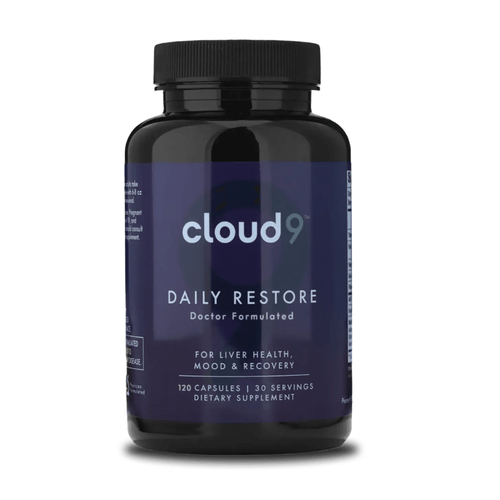
Cloud9 Daily Restore combines NAC, DHM, milk thistle, B vitamins, and ashwagandha to help support the pathways alcohol can tax most. Two capsules daily, drinking or not.
NAC | DHM | Milk Thistle | B Vitamins | Ashwagandha
See How Daily Restore WorksThe Subtle Early Warning Signs Most People Miss
The earliest indicators that drinking is affecting your mental health often disguise themselves as other issues. You might attribute your increased anxiety to work stress or your low mood to winter blues, not realizing that alcohol is amplifying these feelings rather than relieving them.
Changes in Your Emotional Baseline
Pay attention to how you feel on days when you're not drinking. If your baseline mood has shifted, it's worth considering whether alcohol might be contributing. These changes can include feeling more emotionally reactive, having less patience with everyday frustrations, or noticing that things that used to bring you joy feel less satisfying.
You might also notice what's called "hangxiety," the heightened anxiety that follows drinking. While occasional morning-after jitters are common, research suggests that frequent episodes indicate your nervous system is struggling to rebalance after alcohol's depressant effects wear off.
Shifts in Your Coping Strategies
One of the clearest warning signs is when alcohol becomes your go-to stress management tool. If you find yourself automatically reaching for a drink after a difficult day, or if the thought of handling stress without alcohol feels uncomfortable, this pattern deserves attention.
- You habitually drink to "take the edge off" difficult emotions rather than processing them
- Social situations feel harder to navigate without alcohol than they used to
- You've noticed other coping strategies (exercise, hobbies, connecting with friends) falling away
- You feel defensive or uncomfortable when someone mentions your drinking
- You make plans around when and where you can drink
Sleep Pattern Disruptions
While alcohol might help you fall asleep faster, it significantly disrupts sleep quality throughout the night. You might wake up frequently, experience vivid dreams or nightmares, or wake feeling unrefreshed even after a full night in bed.
This sleep disruption has a direct impact on mental health. Poor sleep reduces your ability to regulate emotions, increases stress hormones, and impairs the cognitive functions that help you manage challenges effectively.
The Difference Between Normal Drinking and Problem Drinking
Understanding where your drinking falls on the spectrum can help you make informed decisions about whether to change your habits. The line isn't always clear, but certain patterns and consequences can signal when social drinking has shifted into territory that affects your mental health.
| Social Drinking | Concerning Patterns |
|---|---|
| Drinking enhances social experiences but isn't necessary for enjoyment | Feeling like you need alcohol to relax, have fun, or be social |
| You can take it or leave it without much thought | Thinking about drinking frequently or planning your day around it |
| Occasional hangovers don't affect your responsibilities | Regular impact on work, relationships, or daily functioning |
| Your mood stays relatively stable whether you drink or not | Noticeable mood swings, increased anxiety, or depression related to drinking patterns |
| You're comfortable with alcohol-free activities and events | Avoiding situations where you can't drink or feeling anxious about alcohol-free events |
When "Just Enough" Becomes Too Much
The threshold for problem drinking isn't just about quantity, though that matters. It's also about the role alcohol plays in your life and the consequences you're experiencing. Someone who drinks moderately but uses alcohol as their only emotional regulation tool may be more at risk for mental health impacts than someone who occasionally drinks more but has diverse coping strategies.
Research suggests that consistent heavy drinking (more than 4 drinks per occasion for men, 3 for women) significantly increases the risk of developing depression and anxiety disorders. But even drinking within "moderate" guidelines can affect mental health if you're drinking daily or using alcohol to manage emotions.
Practical Steps to Assess Your Own Relationship With Alcohol
Self-awareness is the first step toward making any change. These strategies can help you gain clarity about how alcohol is actually affecting you, beyond what you might assume or hope to be true.
Track Your Patterns for Two Weeks
Keep a simple journal that records when you drink, how much, the circumstances, and how you feel the next day. Include your mood, sleep quality, anxiety levels, and energy. Many people are surprised by the patterns that emerge when they actually track rather than estimate their drinking.
Also note the situations that trigger drinking. Are you reaching for alcohol when you're stressed, bored, anxious, or celebrating? Understanding your triggers reveals whether you're using alcohol as a coping mechanism rather than simply enjoying it socially.
Experiment With Alcohol-Free Periods
Try taking a break for two to four weeks and pay attention to changes in your mental health. This isn't about proving you "can" stop (though that information is valuable too). It's about noticing how your mood, sleep, anxiety, and overall wellbeing shift without alcohol in the picture.
The goal isn't to label yourself or fit into a category. It's to gather honest information about how alcohol affects your unique brain chemistry and mental health, so you can make choices that actually support your wellbeing rather than working against it.
Ask Yourself These Revealing Questions
Sometimes the right questions cut through rationalization and get to the truth of what's happening. Answer these honestly, perhaps in writing where you can't gloss over uncomfortable truths.
- Do I feel worse overall (mood, energy, outlook) than I did a year ago, and has my drinking increased during that time?
- Have I noticed that I need to drink more than I used to in order to feel relaxed or social?
- Do I feel anxious or irritable on days when I don't drink?
- Has anyone expressed concern about my drinking, even if I dismissed it?
- Do I sometimes drink more than I intended or have trouble stopping once I start?
- Have I given up activities I used to enjoy because they interfere with drinking or I'm too hungover?
- Do I feel guilty, ashamed, or worried about my drinking but keep doing it anyway?
Consider the "Would I Tell My Doctor?" Test
If you wouldn't be comfortable honestly telling your healthcare provider how much and how often you drink, that discomfort itself is informative. It suggests some part of you knows your drinking might be problematic, even if you're not ready to fully acknowledge it.
Healthcare providers aren't asking to judge you. They need accurate information because alcohol interacts with mental health in ways that affect treatment effectiveness, medication interactions, and overall health outcomes.
What to Do When You Recognize the Warning Signs
Acknowledging that drinking might be affecting your mental health can feel overwhelming, but it's also empowering. You're catching something early, before it becomes a crisis, which means you have more options and flexibility in how you respond.
Start With Small, Specific Changes
You don't have to overhaul your entire life or commit to never drinking again unless that's what feels right for you. Small adjustments can make significant differences, especially in the early stages. Try setting concrete limits like no drinking alone, no drinking on weeknights, or stopping after two drinks.
Replace drinking occasions with other activities that genuinely help you relax or connect. This might mean calling a friend instead of pouring a glass of wine, taking a walk when stress hits, or finding alcohol-free social activities that still feel enjoyable and authentic.
Build Alternative Coping Strategies
If alcohol has become your primary stress management tool, you'll need to intentionally develop other options. Research suggests that activities like exercise, meditation, creative hobbies, and social connection can provide similar stress relief and mood benefits without the negative mental health impacts.
- Physical movement, even just a 15-minute walk, can reduce anxiety and improve mood
- Breathwork or meditation practices help regulate your nervous system naturally
- Creative activities provide a healthy outlet for processing emotions
- Connecting with supportive people offers the social benefits without requiring alcohol
- Therapy or counseling can address underlying issues that drinking might be masking
Seek Professional Support When You Need It
If you're finding it difficult to cut back on your own, or if you're experiencing significant mental health symptoms, professional support can make a real difference. This might mean talking to your doctor, working with a therapist who specializes in substance use, or exploring programs specifically designed to help people change their relationship with alcohol.
There's no shame in needing help. The brain changes that occur with regular drinking are physiological, not character flaws. Professional guidance can provide strategies, accountability, and sometimes medical support that makes the process safer and more successful.
How Daily Restore Supports Your Health
Understanding what your body needs is one thing. Getting consistent daily support is another. Daily Restore was designed to address the key pathways alcohol can stress most, in one simple daily formula.
NAC (N-Acetyl Cysteine)
Supports glutathione production and antioxidant defenses
DHM (Dihydromyricetin)
Supports alcohol metabolism
Milk Thistle (Silymarin)
Supports healthy liver function
B Vitamins
Help replenish nutrients involved in energy and metabolism
Ashwagandha
Supports stress resilience and healthy cortisol balance
Daily Restore is not a detox or a cure. It is a daily support formula designed for people who drink socially and want to give their body consistent, evidence-informed support.
Frequently Asked Questions
How much alcohol is too much when it comes to mental health?
There's no universal threshold, as individual responses vary based on factors like genetics, existing mental health conditions, and overall health. However, research suggests that drinking more than moderate amounts (one drink per day for women, two for men) can start affecting mood regulation, sleep quality, and anxiety levels. If you notice mental health changes at your current drinking level, that's your signal to reassess.
Can I reverse the mental health effects of drinking if I cut back?
Many people experience significant improvements in mood, anxiety, and cognitive function within weeks of reducing alcohol consumption. Studies show that the brain has remarkable capacity to heal and rebalance neurotransmitter systems when given the chance. The timeline varies by individual, but most notice clearer thinking and more stable moods within the first month of cutting back or quitting.
What's the difference between using alcohol to relax and having a problem?
The key distinction is whether alcohol has become your primary or automatic coping mechanism. Occasional drinking in social settings is different from feeling like you need alcohol to manage stress, sleep, or uncomfortable emotions. If you're relying on drinking regularly to feel "normal" or if you feel anxious about not having access to alcohol, these patterns suggest it's becoming problematic.
How long should I try cutting back before I know if alcohol was affecting my mental health?
Most people begin noticing changes within one to two weeks, though deeper improvements often emerge over four to six weeks. Consider tracking your mood, sleep quality, and anxiety levels during this period to get a clearer picture. If you don't see any improvement after a month or two of reduced drinking, it's worth exploring other potential factors with a healthcare provider.
Should I talk to a doctor about my drinking if I'm concerned about my mental health?
Absolutely. A healthcare provider can help you understand the connection between your drinking patterns and mental health symptoms, rule out other potential causes, and provide personalized guidance. They can also connect you with appropriate resources if you need additional support to cut back or address underlying mental health conditions that may be contributing to your drinking.
The Bottom Line
Recognizing when drinking starts affecting your mental health isn't about waiting for a crisis. It's about paying attention to subtle shifts in your mood, sleep, relationships, and daily functioning before patterns become entrenched. The earlier you notice these connections, the easier it becomes to make meaningful changes that support both your mental and physical wellbeing.
Whether you're cutting back, taking regular breaks, or reassessing your relationship with alcohol entirely, supporting your body through the process can make a real difference. Daily Restore provides targeted nutritional support that addresses some of the ways alcohol impacts mental health, including B vitamins for nervous system function, antioxidants to counter oxidative stress, and adaptogens that may help with stress resilience.
Remember that improving your mental health is a process, not an overnight transformation. Small, consistent actions like tracking your drinking patterns, being honest with yourself about how alcohol makes you feel, and building healthier coping strategies can create meaningful momentum. Combined with proper hydration, quality sleep, and nutritional support, these changes can help you feel more like yourself again.
If you're ready to give your body what it needs to thrive, Daily Restore fits seamlessly into your morning routine as part of a broader commitment to feeling better. Because when it comes to your mental health, you deserve to show up as your clearest, most balanced self.
Build Your Daily Support Routine
Build Your Daily Support Routine
If drinking is part of your lifestyle, your support routine should not be random. Daily Restore was designed to help social drinkers support liver health, antioxidant defenses, alcohol metabolism, nutrient replenishment, and daily recovery in one simple routine.
NAC
DHM
Milk Thistle
B Vitamins
Ashwagandha