

You've probably caught yourself pouring a second glass of wine without even finishing the first, or reaching for a beer out of habit rather than actual desire. These autopilot moments around alcohol are more common than you think, and they're exactly what mindful drinking aims to address.
Mindful drinking isn't about judgment or strict rules. It's about bringing awareness to your relationship with alcohol so you can make choices that actually align with how you want to feel. Whether you're looking to cut back, take a break, or simply understand your drinking patterns better, this approach offers a practical path forward.
The best part? You don't need to commit to any labels or make dramatic declarations. Mindful drinking works because it starts exactly where you are right now.
Quick Take
- Mindful drinking means bringing conscious awareness to when, why, and how much you drink rather than operating on autopilot
- The practice involves checking in with your intentions before drinking and noticing physical and emotional cues while drinking
- Setting clear boundaries like drink limits, alcohol-free days, and situational guidelines helps create sustainable habits
- Practical techniques include the pause-and-ask method, slower sipping, alternating with water, and reframing social pressure
- Most people notice improved sleep quality, better energy, and clearer thinking within the first few weeks of mindful drinking
What Mindful Drinking Actually Means
Mindful drinking is the practice of bringing full attention and intention to your alcohol consumption. Instead of drinking automatically in response to stress, social situations, or simple habit, you pause to consider whether you genuinely want a drink and what you hope to get from it.
Research suggests that our relationship with alcohol often operates in the brain's autopilot mode, where environmental cues trigger drinking without conscious decision-making. Mindful drinking interrupts this pattern by engaging the prefrontal cortex, the part of your brain responsible for deliberate choice and self-regulation.
This doesn't mean overanalyzing every sip or turning drinking into a stressful experience. It simply means being present with your choices and honest about your motivations, which can lead to more satisfying experiences when you do choose to drink.
Daily Support for Social Drinkers
Your liver works hard every day. Give it consistent support.
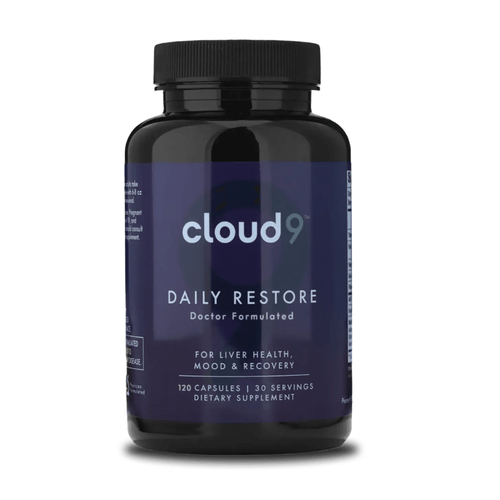
Cloud9 Daily Restore combines NAC, DHM, milk thistle, B vitamins, and ashwagandha to help support the pathways alcohol can tax most. Two capsules daily, drinking or not.
NAC | DHM | Milk Thistle | B Vitamins | Ashwagandha
See How Daily Restore WorksStep 1: Get Clear on Your "Why"
Before you change any drinking habits, you need to understand what's motivating this shift. Your "why" becomes the anchor that keeps you committed when old patterns try to reassert themselves.
Identify Your Personal Motivations
Take some time to reflect on what brought you here. Maybe you've noticed alcohol affecting your sleep quality, or perhaps you want more energy for morning workouts. Some people want to improve their mental clarity, while others are concerned about long-term health impacts.
Write down your specific reasons. Vague goals like "drink less" are harder to stick with than concrete motivations like "wake up feeling refreshed on weekends" or "reduce my anxiety levels."
Define What Success Looks Like for You
Mindful drinking isn't one-size-fits-all. For some, it means reducing from daily drinking to weekends only. For others, it might mean limiting to one or two drinks per occasion, or taking regular alcohol-free periods.
Consider these options and choose what resonates:
- Specific drink limits per day or week
- Designated alcohol-free days
- Drinking only in certain contexts (social events, not at home alone)
- A temporary break to reset your relationship with alcohol
- Reducing frequency while maintaining occasional enjoyment
Step 2: Build Awareness of Your Current Patterns
You can't change what you don't acknowledge. Spending a week or two simply observing your drinking habits without trying to change them yet provides invaluable insights.
Track Without Judgment
Keep a simple log of when you drink, how much, and what triggered the desire. Note the situation, your emotional state, and who you were with. Studies show that self-monitoring alone can reduce alcohol consumption by increasing awareness of intake patterns.
You might discover you always pour wine while cooking dinner, or that work stress consistently leads to evening drinks. These patterns aren't character flaws, they're just information you can use.
Notice Your Triggers
Triggers fall into several categories, and recognizing yours helps you prepare alternatives. Emotional triggers include stress, anxiety, boredom, or even celebration. Environmental triggers might be walking past your favorite bar or opening the fridge at 6pm. Social triggers involve specific people, events, or situations where drinking feels expected.
Once you identify your top three triggers, you can start developing responses that don't involve alcohol.
Step 3: Master the Pause-and-Ask Technique
This simple practice forms the foundation of mindful drinking. Before you pour, order, or accept a drink, pause for just five seconds and ask yourself three questions.
The Three Essential Questions
Do I actually want this drink right now? Sometimes the honest answer is no, you're just following a routine or social expectation. Other times it's a genuine yes, and that's perfectly fine.
What am I hoping this drink will do for me? Relax you? Help you socialize? Celebrate something? Knowing your intention helps you evaluate whether alcohol is the best tool for that job.
How do I want to feel tomorrow morning? This future-focused question connects your present choice with your goals. Research suggests that considering future consequences activates different neural pathways than responding to immediate cravings.
The pause isn't about talking yourself out of drinking. It's about making sure that if you do drink, it's a conscious choice rather than an automatic reaction.
Practice the Pause in Low-Stakes Situations
Start using this technique when you're alone or in comfortable settings before trying it in higher-pressure social situations. The more you practice, the more natural it becomes.
If you decide to have a drink after pausing and asking, that's a mindful choice. If you decide to skip it, that's equally valid. Both outcomes reinforce your sense of agency.
Step 4: Set Clear, Flexible Boundaries
Boundaries give you a framework for decision-making so you're not constantly negotiating with yourself in the moment. The key is making them specific enough to be useful but flexible enough to be sustainable.
Create Your Personal Drinking Guidelines
| Boundary Type | Examples | Why It Helps |
|---|---|---|
| Quantity Limits | Max 2 drinks per occasion, 7 per week | Prevents gradual increases over time |
| Time-Based Rules | No drinking before 6pm, alcohol-free Mondays-Thursdays | Creates structure and predictability |
| Situational Boundaries | Only drink at social events, never alone when stressed | Addresses specific trigger patterns |
| Quality Standards | Choose drinks I genuinely enjoy, skip mediocre options | Makes drinking more intentional and satisfying |
Build in Permission to Adjust
Life changes, and your boundaries can too. Maybe you start with alcohol-free weekdays but later realize weekends need more structure. Perhaps you initially set a two-drink limit but find one feels better for you.
The goal isn't perfection or rigid adherence. It's creating guidelines that support your wellbeing while remaining realistic for your actual life.
Step 5: Develop Your Mindful Drinking Toolkit
Having practical strategies ready for common situations makes mindful drinking much easier. Think of these as tools you can pull out whenever you need support.
Slow Down Your Consumption
The speed at which you drink significantly impacts both your experience and your total intake. Sipping slowly allows you to actually taste your drink, notice when you've had enough, and stay present with the experience.
Try these techniques:
- Put your glass down between sips instead of holding it
- Take a breath or two between each sip
- Engage in conversation or activities between drinks
- Set a personal pace, like making one drink last 45 minutes to an hour
- Use smaller glasses to naturally reduce portion sizes
Alternate with Non-Alcoholic Options
Having a non-alcoholic drink between each alcoholic one cuts your consumption in half while keeping you hydrated. This also gives you something to hold in social situations, which can reduce the urge to refill your alcoholic drink.
Stock your home with appealing alternatives like sparkling water with fruit, herbal teas, or quality non-alcoholic beverages. When you're out, order a mocktail, soda water with lime, or kombucha between rounds.
Navigate Social Pressure Gracefully
One of the biggest challenges in mindful drinking is handling questions or pressure from others. Having simple, confident responses prepared can help.
Effective responses include saying you're pacing yourself tonight, you have an early morning, you're taking a break for health reasons, or simply "I'm good with this for now, thanks." Studies show that brief, matter-of-fact explanations work better than lengthy justifications, which can invite debate.
Create New Rituals
If you've been using alcohol to mark transitions (like the end of the workday) or to relax, you'll need alternative rituals. The key is finding something that serves the same psychological function.
Consider these substitutions based on what you're seeking:
- For relaxation: A warm bath, gentle stretching, or a cup of herbal tea with a specific routine around it
- For transition: A short walk, changing clothes, or a five-minute meditation to signal the shift from work to personal time
- For reward: A special treat, a favorite show, or time spent on a hobby you enjoy
- For social connection: Meeting friends for coffee, going for a walk together, or hosting a meal instead of drinks
Step 6: Check In and Adjust Regularly
Mindful drinking is an ongoing practice, not a one-time decision. Regular reflection helps you notice what's working, what isn't, and how your relationship with alcohol is evolving.
Weekly Reflection Questions
Set aside a few minutes each week to consider these questions honestly. You might journal your responses or simply think them through during a quiet moment.
Did you stick to your intentions this week? If not, what got in the way? How did you feel physically and emotionally on days you drank versus days you didn't? What situations were easiest for mindful drinking, and which were most challenging?
Celebrate Your Progress
Notice and acknowledge the positive changes you're experiencing. Maybe you slept better, had more energy, saved money, or felt more present during conversations. These benefits reinforce your practice and remind you why you started.
Progress isn't always linear. If you have a night where you drink more than intended, that's information, not failure. Use it to understand your triggers better and adjust your approach.
How Daily Restore Supports Your Health
Understanding what your body needs is one thing. Getting consistent daily support is another. Daily Restore was designed to address the key pathways alcohol can stress most, in one simple daily formula.
NAC (N-Acetyl Cysteine)
Supports glutathione production and antioxidant defenses
DHM (Dihydromyricetin)
Supports alcohol metabolism
Milk Thistle (Silymarin)
Supports healthy liver function
B Vitamins
Help replenish nutrients involved in energy and metabolism
Ashwagandha
Supports stress resilience and healthy cortisol balance
Daily Restore is not a detox or a cure. It is a daily support formula designed for people who drink socially and want to give their body consistent, evidence-informed support.
Frequently Asked Questions
How long does it take to see the benefits of mindful drinking?
Many people notice changes within the first few weeks, including better sleep quality, improved energy levels, and clearer thinking. However, the timeline varies for everyone depending on your starting point and how consistently you apply mindful drinking practices. The key is to focus on progress rather than perfection as you build new habits.
Can I still enjoy social events while practicing mindful drinking?
Absolutely. Mindful drinking doesn't mean eliminating social activities, it means being more intentional about your choices. Try alternating alcoholic drinks with non-alcoholic options, setting a personal limit before you arrive, or exploring the growing world of sophisticated mocktails and alcohol-free beverages that make socializing enjoyable without compromise.
What should I do if I slip up and drink more than intended?
Treat it as a learning opportunity rather than a failure. Reflect on what triggered the decision, whether it was stress, social pressure, or something else, and use that insight to adjust your approach moving forward. One evening doesn't undo your overall progress, so practice self-compassion and refocus on your goals the next day.
Is mindful drinking the same as quitting alcohol completely?
Not necessarily. Mindful drinking is about developing a more conscious, intentional relationship with alcohol that aligns with your personal wellness goals. For some people, that means moderate consumption, while for others it leads to reducing intake significantly or stopping altogether. The approach is flexible and can evolve as your needs change.
How can supplements support a mindful drinking practice?
Quality supplements can help fill nutritional gaps and support your body's natural processes, especially when you're making lifestyle changes. Research suggests certain ingredients may help with liver function, cellular protection, and overall vitality. When combined with mindful habits, targeted nutrition can be a valuable part of your daily wellness routine.
The Bottom Line
Mindful drinking is a practical, sustainable approach to building a healthier relationship with alcohol. By setting clear intentions, tracking your habits, and making conscious choices, you can enjoy the benefits of reduced consumption without feeling deprived. The journey looks different for everyone, and that's exactly the point: this practice adapts to your unique lifestyle and goals.
Starting small and building consistency matters more than dramatic overnight changes. Whether you begin by implementing alcohol-free days, choosing lower-alcohol options, or simply pausing before each drink to check in with yourself, each mindful choice supports your overall wellness. Over time, these small shifts can lead to meaningful improvements in how you feel physically, mentally, and emotionally.
Supporting your body with proper nutrition becomes even more important when you're making positive lifestyle changes. Cloud9's Daily Restore is formulated with dihydromyricetin (DHM), glutathione, milk thistle, and other research-backed ingredients that may help support liver function and cellular health. Taking it daily can be part of a comprehensive approach to wellness that complements your mindful drinking practice.
Remember, this isn't about perfection or judgment. It's about developing greater awareness, making choices that align with your values, and treating yourself with compassion along the way. With the right tools, support, and mindset, mindful drinking can become a natural part of how you live well every day.
Build Your Daily Support Routine
Build Your Daily Support Routine
If drinking is part of your lifestyle, your support routine should not be random. Daily Restore was designed to help social drinkers support liver health, antioxidant defenses, alcohol metabolism, nutrient replenishment, and daily recovery in one simple routine.
NAC
DHM
Milk Thistle
B Vitamins
Ashwagandha