
You're not imagining it. Keeping track of how much you've actually had to drink at a dinner party, happy hour, or weekend brunch is genuinely difficult. Between the refills you didn't ask for, the rounds you didn't order, and the "just one more" that materializes in your hand, social drinking environments are designed in ways that make mindful consumption challenging.
This isn't about willpower or awareness. Social drinking culture operates on a set of unspoken rules and rituals that actively discourage keeping count. Understanding how these dynamics work can help you make more intentional choices about your relationship with alcohol.
Quick Take
- Social drinking environments normalize continuous consumption through rounds, topping off glasses, and group ordering patterns
- Visual cues that typically help us monitor intake (like empty glasses) are often removed before we register them
- Peer dynamics and celebration rituals create subtle pressure to match the group's drinking pace
- Restaurant and bar serving practices can make standard drink sizes unclear or inconsistent
- Understanding these patterns can help you develop strategies for more mindful consumption in social settings
Why Social Settings Disrupt Our Internal Tracking
Research suggests that we rely heavily on environmental cues to monitor our consumption of food and alcohol. In controlled settings, visual markers like an empty glass or bottle help signal how much we've consumed. Social drinking culture systematically removes or obscures these markers.
When someone tops off your wine glass before it's empty, or when rounds arrive at irregular intervals, you lose the ability to count discrete units. Studies show that people consistently underestimate their alcohol intake in social settings compared to drinking alone, often by significant margins. The combination of conversation, movement between spaces, and shared bottles or pitchers makes mental tallying nearly impossible.
Add in varying glass sizes, different alcohol concentrations, and the time distortion that happens during engaging social interactions, and you have a perfect storm for consumption that exceeds your intentions. This isn't a personal failing. It's a predictable response to environmental design.
Daily Support for Social Drinkers
Your liver works hard every day. Give it consistent support.
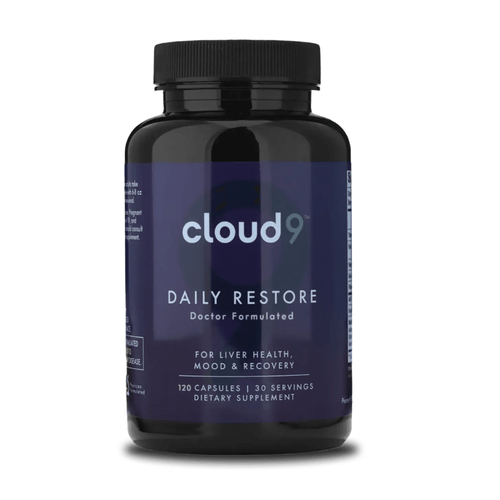
Cloud9 Daily Restore combines NAC, DHM, milk thistle, B vitamins, and ashwagandha to help support the pathways alcohol can tax most. Two capsules daily, drinking or not.
NAC | DHM | Milk Thistle | B Vitamins | Ashwagandha
See How Daily Restore WorksThe Hidden Mechanics of Social Drinking Norms
The Round System and Reciprocity Pressure
Buying rounds creates an invisible obligation structure. Once someone buys you a drink, social convention suggests you'll reciprocate. This locks you into a minimum consumption level determined by the group size and drinking pace, not your own preferences.
The timing of rounds rarely aligns with individual drinking speeds. Faster drinkers set the pace, and declining a round when it's "your turn" can feel socially awkward. Research on social conformity shows that we're wired to match group behavior, even when it conflicts with our private intentions.
Celebration Culture and Milestone Drinking
Modern social culture has attached alcohol to nearly every type of gathering. Promotions, birthdays, farewells, reunions, and even ordinary Fridays become "reasons to celebrate" with drinking.
This creates a calendar full of occasions where not drinking feels like opting out of the celebration itself. The emotional weight of these moments makes it harder to maintain awareness of cumulative consumption across time.
The Disappearing Glass Phenomenon
Attentive service in restaurants and bars means glasses rarely stay empty long enough to serve as counting markers. What feels like nursing two drinks might actually be four or five refills.
The environment of social drinking is structured around continuous flow, not discrete units. Without the visual feedback of empty containers, our brain's natural tracking systems get bypassed entirely.
How Serving Practices Obscure Actual Consumption
The Standard Drink Illusion
A standard drink contains about 0.6 ounces of pure alcohol, but real-world servings rarely match this definition. Restaurant wine pours can range from 5 to 9 ounces. Craft cocktails may contain two or three shots of spirits. Beer styles vary from 4% to 12% alcohol by volume.
This table shows how quickly servings diverge from standard drink counts:
| What You Order | What You Think | Actual Standard Drinks |
|---|---|---|
| Large restaurant wine pour (8 oz) | 1 glass of wine | 2 standard drinks |
| IPA pint (7% ABV) | 1 beer | 1.7 standard drinks |
| Margarita (restaurant pour) | 1 cocktail | 2-3 standard drinks |
| Bottle of wine shared between 2 people | A few glasses each | 2.5 standard drinks each |
| Three "light" beers over 4 hours | Pacing myself | 3+ standard drinks |
Free Pours and Inconsistent Measures
Bartenders at casual venues often free pour rather than measure. Studies examining actual alcohol content in bar drinks show significant variation, even within the same establishment. Your Tuesday martini and your Friday martini may contain noticeably different amounts of alcohol.
Home pours tend to be even more generous. When you're making drinks for friends, measurements get approximate, and the definition of "one drink" becomes entirely subjective.
Social Dynamics That Override Personal Awareness
Matching the Group Pace
Psychological research on social facilitation shows that we unconsciously adjust our eating and drinking speed to match those around us. If your companions are ordering second drinks, you're statistically more likely to do the same, regardless of your initial intentions.
This effect strengthens with group size and emotional closeness. The more connected you feel to the people you're with, the more your consumption patterns will mirror theirs.
The "Special Occasion" Loophole
When gatherings are framed as celebrations or rare events, we give ourselves permission to suspend our usual guidelines. The problem emerges when you examine your calendar and realize how many "special occasions" accumulate in a typical month.
Common occasions that trigger exception thinking include:
- Weekend dinners with friends ("we rarely all get together")
- Work events ("it's networking, not really drinking")
- Seasonal celebrations ("it's the holidays")
- Vacation or travel ("I'm relaxing, I deserve this")
- Stressful periods ("I need to unwind")
- Achievement moments ("this calls for champagne")
The Conversation Distraction Factor
Engaging conversation is one of the primary pleasures of social drinking, but it also diverts attention from consumption monitoring. When you're deeply involved in storytelling or debate, your hand reaches for your glass automatically. Studies on mindless eating show similar patterns: distraction consistently increases intake.
The drink becomes a social prop, something to do with your hands during pauses, rather than a beverage you're consciously choosing to consume. By the time you notice, you've finished three drinks without specifically deciding to have any of them.
Building Awareness Within Social Contexts
Creating Your Own Tracking System
Since external cues are unreliable, effective tracking requires building internal systems. Some people find success with simple rules: alternating alcoholic drinks with water, setting a time-based limit rather than a count-based one, or deciding on a total before arriving.
Physical markers can help. Keeping a mental timestamp of when you started each drink, or using your phone to log drinks in real time, creates the accountability that the environment removes. Some people place a small object (a coin, a ring) in their pocket for each drink as a tangible tracking method.
Reframing Social Participation
The assumption that participation requires drinking at the group's pace is cultural, not factual. Research on social bonding shows that shared experience matters more than matched consumption. You can be fully present at a celebration while drinking less than others around you.
Practical strategies for maintaining autonomy include ordering your own drinks rather than participating in rounds, being honest about wanting to pace yourself, and recognizing that most people are far less focused on your glass than you imagine. Self-consciousness about drinking less is typically internal, not a reflection of actual social judgment.
How Daily Restore Supports Your Health
Understanding what your body needs is one thing. Getting consistent daily support is another. Daily Restore was designed to address the key pathways alcohol can stress most, in one simple daily formula.
NAC (N-Acetyl Cysteine)
Supports glutathione production and antioxidant defenses
DHM (Dihydromyricetin)
Supports alcohol metabolism
Milk Thistle (Silymarin)
Supports healthy liver function
B Vitamins
Help replenish nutrients involved in energy and metabolism
Ashwagandha
Supports stress resilience and healthy cortisol balance
Daily Restore is not a detox or a cure. It is a daily support formula designed for people who drink socially and want to give their body consistent, evidence-informed support.
Frequently Asked Questions
How can I track my alcohol intake more accurately in social settings?
Start by setting a specific number before you go out and use your phone to note each drink as you have it. You can also alternate alcoholic drinks with water or non-alcoholic options, which naturally creates built-in tracking moments. Many people find that simply pausing to record their consumption helps them stay more mindful throughout the evening.
What are some signs that social drinking might be affecting my health?
Common indicators include experiencing frequent hangovers, noticing disrupted sleep patterns, feeling more anxious or irritable, or finding that you need more drinks to feel the same effects. Physical signs can include digestive issues, skin changes, or feeling consistently fatigued. If you're concerned about your drinking patterns, it's worth discussing with a healthcare provider.
How do I decline drinks without making social situations awkward?
Keep it simple and confident: "I'm good for now" or "I'm pacing myself tonight" work well without requiring explanation. You can also hold a non-alcoholic drink so you're not empty-handed, or simply say you're focusing on feeling better the next day. Most people are far less focused on what you're drinking than you might think.
Can supplements really help support my body if I choose to drink socially?
Research suggests that certain nutrients like DHM, milk thistle, and B vitamins can help support your liver's natural processing functions and may help reduce some effects of alcohol consumption. While supplements aren't a free pass to drink without consequences, they can be part of a thoughtful approach to supporting your body's recovery processes. Daily Restore is designed specifically with these science-backed ingredients to provide consistent support.
What's considered "moderate" drinking versus problematic drinking?
Current guidelines suggest up to one drink per day for women and up to two for men, though individual tolerance varies significantly. Problematic patterns include regularly exceeding these amounts, drinking to cope with stress or emotions, experiencing negative consequences but continuing anyway, or finding it difficult to stick to limits you've set. The key is being honest with yourself about your patterns and their effects on your life.
The Bottom Line
Social drinking culture creates an environment where keeping track of consumption becomes genuinely challenging. Between generous pours, constant topping off, peer expectations, and the natural distractions of socializing, it's easy to underestimate how much you're actually drinking. Recognizing these patterns isn't about judgment, it's about making more informed choices that align with how you want to feel.
Whether you're looking to cut back, drink more mindfully, or simply support your body when you do choose to drink, small changes can make a meaningful difference. Setting clear intentions before social events, tracking your intake honestly, and having strategies to decline drinks can all help you feel more in control. The goal isn't perfection, it's awareness and consistency.
Daily Restore can be a valuable part of this approach by providing consistent support for your liver and overall wellness, whether you're drinking regularly or occasionally. With ingredients like DHM, milk thistle, and essential B vitamins, it's designed to support your body's natural recovery processes day after day. Think of it as part of your daily routine, like taking a multivitamin, that helps you show up feeling your best.
The most important step is simply paying attention. By becoming more aware of how social drinking culture influences your choices, you're already taking control of your health and well-being in a meaningful way.
Build Your Daily Support Routine
Build Your Daily Support Routine
If drinking is part of your lifestyle, your support routine should not be random. Daily Restore was designed to help social drinkers support liver health, antioxidant defenses, alcohol metabolism, nutrient replenishment, and daily recovery in one simple routine.
NAC
DHM
Milk Thistle
B Vitamins
Ashwagandha