

You wind down with a glass of wine after dinner, or you share a couple of beers with friends on a Friday night. You fall asleep just fine, maybe even faster than usual. But the next morning, you wake up feeling oddly unrested, like you never quite got the deep sleep your body needed.
This isn't in your head. Even moderate drinking can significantly impact your sleep quality, and the effects start with just one or two drinks. If you've been wondering why you feel groggy despite getting your eight hours, your evening cocktail might be the culprit.
Understanding how alcohol affects your sleep can help you make more informed choices about when and how much you drink, especially if quality rest is important to your health, mood, and daily performance.
Quick Take
- Alcohol acts as a sedative initially but disrupts your natural sleep cycles as your body metabolizes it
- Even one or two drinks can reduce REM sleep, the stage crucial for memory consolidation and emotional regulation
- You may wake more frequently in the second half of the night as alcohol leaves your system
- Alcohol relaxes throat muscles, increasing the likelihood of snoring and sleep-disrupted breathing
- The "nightcap effect" is real but misleading: you fall asleep faster but sleep worse overall
Why Alcohol Makes You Feel Sleepy But Doesn't Help You Sleep
Alcohol is a central nervous system depressant, which means it slows brain activity and can make you feel drowsy. This is why many people associate a drink or two with feeling relaxed and ready for bed. Research suggests that alcohol can reduce the time it takes to fall asleep by about 10 to 15 minutes, which sounds like a benefit.
However, what alcohol gives you in sleep onset, it takes away in sleep quality. As your liver metabolizes the alcohol over the next few hours, your body experiences a rebound effect. Your nervous system becomes more active, your sleep becomes fragmented, and you're more likely to wake up multiple times during the night.
This creates a frustrating cycle: you feel like alcohol helps you sleep because you fall asleep quickly, but you wake up feeling less rested than you should. The trade-off is rarely worth it, especially if you're already struggling with sleep quality or managing stress.
Daily Support for Social Drinkers
Your liver works hard every day. Give it consistent support.
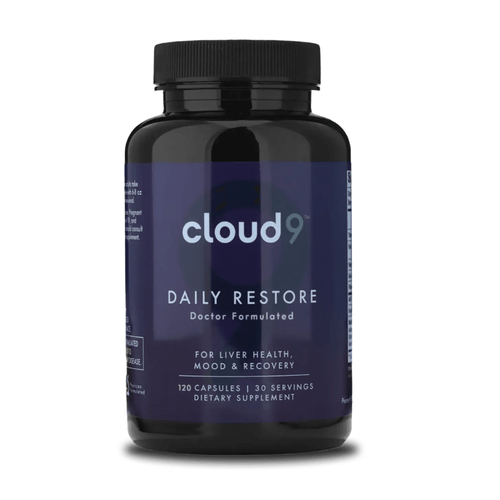
Cloud9 Daily Restore combines NAC, DHM, milk thistle, B vitamins, and ashwagandha to help support the pathways alcohol can tax most. Two capsules daily, drinking or not.
NAC | DHM | Milk Thistle | B Vitamins | Ashwagandha
See How Daily Restore WorksHow Alcohol Disrupts Your Sleep Cycles
Sleep isn't a single, uniform state. Your brain cycles through different stages throughout the night, each serving important functions for physical recovery, memory consolidation, and emotional processing. Alcohol interferes with these natural rhythms in measurable ways.
The Impact on REM Sleep
REM (rapid eye movement) sleep is the stage where most dreaming occurs and where your brain processes emotions and consolidates memories. Studies show that even moderate alcohol consumption can suppress REM sleep during the first half of the night. You might spend more time in deep sleep initially, but you'll get less REM sleep overall.
This reduction in REM sleep can affect your mood, cognitive function, and ability to learn new information. If you've ever noticed you feel emotionally off or mentally foggy after a night of drinking, reduced REM sleep is likely part of the reason.
Increased Sleep Fragmentation
As alcohol is metabolized, typically three to four hours after your last drink, your body experiences a surge in stimulating neurotransmitters. This can cause you to wake up multiple times, even if you don't fully remember these awakenings in the morning.
These disruptions prevent you from completing full sleep cycles, which typically last about 90 minutes. When your sleep is fragmented, you miss out on the restorative benefits of uninterrupted rest, leaving you feeling tired despite technically spending enough time in bed.

The Physical Effects Beyond Brain Chemistry
Alcohol's impact on sleep isn't just neurological. It affects your body in ways that can make restful sleep difficult, even when you're not consciously aware of the problems.
Breathing and Snoring Issues
Alcohol relaxes the muscles in your throat and airways, which can lead to increased snoring and, in some cases, sleep-disordered breathing. Research suggests that even moderate drinking can worsen symptoms for people with sleep apnea and can create breathing issues in people who don't typically have them.
This means you're getting less oxygen during the night, which reduces sleep quality and can leave you feeling exhausted. Your partner might notice the snoring before you realize there's a problem.
Increased Bathroom Trips
Alcohol is a diuretic, meaning it increases urine production. Those one or two drinks can lead to multiple trips to the bathroom throughout the night, disrupting your sleep each time. Each wake-up pulls you out of deep or REM sleep, fragmenting your rest and reducing its restorative quality.
Body Temperature Regulation
Your core body temperature naturally drops as you sleep, which is part of healthy sleep physiology. Alcohol interferes with this process, initially causing you to feel warm as blood vessels dilate, then potentially making you feel cold later in the night. These temperature fluctuations can cause restlessness and additional wake-ups.
How Different Amounts and Timing Affect Your Sleep
Not all drinking occasions impact sleep equally. The amount you consume, when you drink, and how quickly all play roles in determining how much your sleep will be affected.
| Drinking Pattern | Sleep Impact | What Happens |
|---|---|---|
| 1 drink, 3+ hours before bed | Minimal disruption | Most alcohol metabolized before sleep begins |
| 1-2 drinks, within 2 hours of bed | Moderate disruption | Reduced REM sleep, potential wake-ups after 3-4 hours |
| 3+ drinks, within 2 hours of bed | Significant disruption | Severely reduced REM, frequent awakenings, poor sleep quality |
| Daily moderate drinking | Cumulative disruption | Chronic sleep debt, tolerance effects, worsening over time |
The Myth of the Nightcap
The tradition of a "nightcap" to help you sleep is based on alcohol's sedative effects, but it ignores the rebound effects that occur hours later. While you might fall asleep faster, studies show that alcohol before bed consistently results in poorer overall sleep quality and less time in restorative sleep stages.
If you're using alcohol to help with sleep difficulties, you may actually be creating a cycle that makes your sleep problems worse over time. Your body can develop a tolerance to alcohol's sedative effects, leading you to drink more to achieve the same initial sleepiness while still experiencing the negative effects on sleep quality.
What You Can Do to Protect Your Sleep
Understanding how alcohol affects your sleep doesn't mean you need to eliminate drinking entirely, but it does mean being strategic about when and how much you drink if sleep quality matters to you.
Timing Your Drinks
Give your body time to metabolize alcohol before bed. A general rule is to stop drinking at least three to four hours before you plan to sleep. This allows your body to process most of the alcohol before you're trying to achieve deep, restorative sleep.
Your liver processes about one standard drink per hour, though this varies by body size, sex, and other factors. If you have two drinks, allowing four to five hours before bed can minimize sleep disruption.
Staying Hydrated
Alcohol's diuretic effects can be partially offset by drinking water alongside your alcoholic beverages. Try alternating drinks with water, or have a full glass of water for each alcoholic drink. This can help reduce nighttime bathroom trips and may ease some of the sleep disruption.
The relationship between alcohol and sleep is one of the most misunderstood aspects of both drinking and rest. What feels like it's helping in the moment often undermines exactly what you're trying to achieve.
Practical Sleep-Protective Strategies
If you choose to drink, these strategies can help minimize the impact on your sleep quality:
- Eat food while drinking to slow alcohol absorption
- Choose drinks with lower alcohol content
- Set a cutoff time for your last drink, ideally mid-evening or earlier
- Avoid drinking as a sleep aid, even occasionally
- Monitor how you feel the next day and adjust your habits accordingly
- Consider alcohol-free days, especially before important events or workdays
Recognizing When It's a Pattern
If you find yourself regularly relying on alcohol to fall asleep, or if you're drinking more over time to get the same effect, these can be signs of developing dependence. Sleep difficulties can both contribute to and result from problematic drinking patterns.
Pay attention to how often you're using alcohol as a sleep tool and whether your sleep quality is actually improving or getting worse over time. If you're concerned about your drinking patterns or struggling with sleep despite cutting back, consider talking with a healthcare provider who can offer personalized guidance.
How Daily Restore Supports Your Health
Understanding what your body needs is one thing. Getting consistent daily support is another. Daily Restore was designed to address the key pathways alcohol can stress most, in one simple daily formula.
NAC (N-Acetyl Cysteine)
Supports glutathione production and antioxidant defenses
DHM (Dihydromyricetin)
Supports alcohol metabolism
Milk Thistle (Silymarin)
Supports healthy liver function
B Vitamins
Help replenish nutrients involved in energy and metabolism
Ashwagandha
Supports stress resilience and healthy cortisol balance
Daily Restore is not a detox or a cure. It is a daily support formula designed for people who drink socially and want to give their body consistent, evidence-informed support.
Frequently Asked Questions
How long before bed should I stop drinking alcohol to minimize sleep disruption?
Most experts suggest stopping alcohol consumption at least 3 to 4 hours before bedtime to give your body time to metabolize it. This timing can help reduce the rebound effect that disrupts your sleep cycles later in the night. Keep in mind that individual metabolism varies, so some people may need even more time.
Will one drink really affect my sleep that much?
Even a single drink can influence your sleep architecture, particularly REM sleep, though the effects may be more subtle than with larger amounts. Research suggests that alcohol's impact on sleep quality occurs on a spectrum, with measurable changes happening even at lower consumption levels. Individual sensitivity varies based on factors like body weight, metabolism, and tolerance.
Does the type of alcohol matter for sleep quality?
The primary factor affecting sleep is the amount of ethanol consumed rather than whether it's wine, beer, or spirits. That said, drinks with higher sugar content or additives may cause additional issues like blood sugar fluctuations or increased bathroom trips. The total alcohol content and timing matter most for sleep disruption.
Can I make up for alcohol-disrupted sleep by sleeping longer?
While sleeping longer may help you feel more rested, it doesn't fully compensate for the reduced sleep quality caused by alcohol. The disruption to REM sleep and sleep cycles means the restorative benefits are compromised regardless of duration. Prioritizing alcohol-free nights can help you achieve genuinely restorative sleep.
What can I do to support better sleep on nights when I do have a drink or two?
Stay well-hydrated by alternating alcoholic drinks with water, stop drinking several hours before bed, and maintain your regular sleep routine. Supporting your body with targeted nutrients like those in Cloud9's Daily Restore can also help promote healthy liver function and cellular recovery. Creating a cool, dark sleeping environment and avoiding screens before bed can further optimize whatever sleep quality is achievable.
The Bottom Line
Even moderate drinking, just one or two drinks, can meaningfully impact your sleep quality in ways you might not immediately notice. From suppressed REM sleep to increased nighttime awakenings and next-day fatigue, alcohol affects the restorative processes your body needs to function at its best. Understanding these effects empowers you to make more informed decisions about when and how much you drink.
The good news is that you don't have to choose between enjoying social moments and protecting your sleep. Being mindful about timing, quantity, and frequency can help minimize disruption. Incorporating supportive habits like proper hydration, consistent sleep schedules, and targeted nutritional support can make a real difference in how your body handles occasional drinking.
Cloud9's Daily Restore was designed to support your body's natural processes with DHM, NAC, milk thistle, and other research-backed ingredients that promote liver health and cellular recovery. Taking it consistently, whether you're drinking that day or not, helps maintain the foundation your body needs for quality sleep and overall wellness. It's about supporting your system day in and day out, not just reacting to the occasional drink.
Better sleep isn't just about feeling more rested in the morning. It affects your mood, cognitive performance, immune function, and long-term health. By understanding how alcohol interacts with your sleep and taking proactive steps to support your body, you're investing in better nights and brighter days ahead.
Build Your Daily Support Routine
Build Your Daily Support Routine
If drinking is part of your lifestyle, your support routine should not be random. Daily Restore was designed to help social drinkers support liver health, antioxidant defenses, alcohol metabolism, nutrient replenishment, and daily recovery in one simple routine.
NAC
DHM
Milk Thistle
B Vitamins
Ashwagandha