

You take a sip of wine at dinner, and within minutes, you feel the warmth spreading through your chest. Your shoulders relax. Your thoughts soften. What feels like a simple moment of unwinding is actually triggering a complex cascade of effects throughout your entire body.
Understanding how alcohol affects the body isn't about judgment or shame. It's about making informed choices that align with your health goals. Whether you're questioning your drinking habits or simply curious about what's happening beneath the surface, knowing the science can change how you think about that next glass.
From your brain chemistry to your liver cells, from your sleep cycles to your immune system, alcohol influences nearly every system in your body. Here's what really happens from the first sip to the morning after.
Quick Take
- Alcohol begins affecting your brain within 5 minutes of the first sip, altering neurotransmitter function and judgment
- Your liver prioritizes metabolizing alcohol over other functions, creating toxic byproducts like acetaldehyde
- Even moderate drinking disrupts REM sleep, blood sugar regulation, and immune system function
- Hangover symptoms reflect dehydration, inflammation, and your body working to eliminate alcohol metabolites
- The effects of a single drinking session can persist in your system for 24 to 48 hours
What Happens in the First 5 to 10 Minutes
Alcohol doesn't need to be digested like food. About 20% absorbs directly through your stomach lining, while the remaining 80% enters your bloodstream through the small intestine. This is why you can feel effects so quickly, especially on an empty stomach.
Within minutes, alcohol crosses the blood-brain barrier and begins altering neurotransmitter activity. It enhances GABA, a neurotransmitter that slows brain activity, while suppressing glutamate, which normally keeps you alert. This dual action creates that familiar feeling of relaxation and lowered inhibitions.
Your blood vessels also begin to dilate, which is why you might feel warm or notice flushed skin. Research suggests that even at this early stage, alcohol is affecting your judgment and reaction time, though you may not notice these subtle changes.
Daily Support for Social Drinkers
Your liver works hard every day. Give it consistent support.
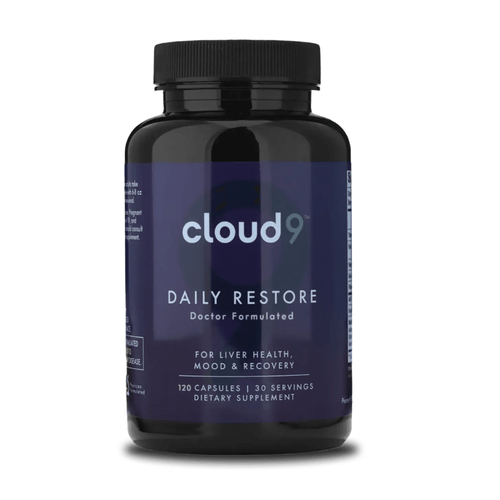
Cloud9 Daily Restore combines NAC, DHM, milk thistle, B vitamins, and ashwagandha to help support the pathways alcohol can tax most. Two capsules daily, drinking or not.
NAC | DHM | Milk Thistle | B Vitamins | Ashwagandha
See How Daily Restore WorksHow Your Brain Responds to Alcohol
The pleasant buzz you experience from drinking comes at a neurological cost. Alcohol disrupts the delicate balance of neurotransmitters that regulate mood, memory formation, and decision-making. The more you drink, the more pronounced these effects become.
The Dopamine Effect
One reason alcohol can feel so rewarding is its impact on dopamine, your brain's pleasure chemical. Drinking triggers a release of dopamine in the brain's reward center, creating feelings of pleasure and reinforcing the desire to drink more. This neurochemical response is the same pathway involved in other addictive behaviors.
Over time and with repeated exposure, your brain may adapt by producing less dopamine naturally or becoming less sensitive to it. This is one mechanism behind tolerance, where you need more alcohol to achieve the same effects.
Memory and Cognitive Function
Alcohol significantly impairs the hippocampus, the brain region responsible for forming new memories. This is why you might forget conversations or events from a night of drinking. In cases of heavy consumption, alcohol can completely block memory formation, leading to blackouts.
These cognitive effects include:
- Slowed information processing and reaction times
- Impaired judgment and decision-making abilities
- Reduced ability to assess risk accurately
- Difficulty with spatial awareness and coordination
- Disrupted executive function and impulse control

What Your Liver Is Really Doing
Your liver treats alcohol as a toxin and makes metabolizing it a top priority, pausing many of its other essential functions. This is why alcohol consumption can affect everything from blood sugar regulation to nutrient processing.
The Metabolic Process
The liver breaks down alcohol in two main steps. First, the enzyme alcohol dehydrogenase converts alcohol into acetaldehyde, a toxic compound that's actually more harmful than alcohol itself. Then, another enzyme called aldehyde dehydrogenase converts acetaldehyde into acetate, which can be broken down into water and carbon dioxide.
Your liver can process roughly one standard drink per hour, but this varies based on factors like body size, sex, genetics, and liver health. When you drink faster than your liver can process, alcohol and acetaldehyde accumulate in your bloodstream, intensifying intoxication and toxic effects.
The Metabolic Burden
While your liver focuses on processing alcohol, other important functions take a back seat. This metabolic shift can lead to several cascading effects throughout your body.
When the liver is busy metabolizing alcohol, it reduces glucose production, which is why drinking on an empty stomach can lead to low blood sugar. This metabolic disruption also affects how your body processes fats and proteins, potentially impacting energy levels for days after drinking.
Studies show that even moderate alcohol consumption can lead to fat accumulation in liver cells. While this is usually temporary with occasional drinking, regular consumption can progress to more serious liver conditions over time.
The Whole-Body Impact: Systems Under Stress
Alcohol's effects extend far beyond your brain and liver. Nearly every organ system experiences some level of disruption when you drink, from your cardiovascular system to your gut microbiome.
Digestive System Effects
Alcohol irritates the lining of your stomach and intestines, increasing acid production and inflammation. This can lead to nausea, stomach pain, and disrupted digestion. It also affects the tight junctions in your intestinal lining, potentially increasing permeability and allowing toxins to enter your bloodstream more easily.
Your pancreas also responds to alcohol by producing toxic substances that can lead to inflammation. Even without chronic heavy drinking, alcohol can temporarily impair digestive enzyme production and nutrient absorption.
Cardiovascular Changes
In the hours after drinking, your heart rate may increase and blood pressure can fluctuate. Alcohol causes blood vessels to dilate initially, but as your body processes it, you may experience a rebound constriction. This is one reason why some people experience elevated blood pressure the day after drinking.
Research suggests that binge drinking can disrupt heart rhythm, sometimes triggering a condition called "holiday heart syndrome," where irregular heartbeats occur after heavy alcohol consumption.
Immune System Suppression
Alcohol temporarily weakens your immune system, making you more vulnerable to infections. This suppression can last up to 24 hours after drinking. White blood cell function becomes impaired, and your body's inflammatory response changes in ways that can actually increase inflammation in some tissues while reducing protective immune responses in others.
| Body System | Immediate Effects | Next-Day Impact |
|---|---|---|
| Brain | Altered neurotransmitters, impaired judgment, slowed reactions | Brain fog, difficulty concentrating, mood changes |
| Liver | Prioritizes alcohol metabolism, fat accumulation begins | Continued detoxification work, reduced metabolic efficiency |
| Heart | Increased heart rate, blood pressure fluctuations | Potential irregular rhythms, elevated blood pressure |
| Digestive System | Increased stomach acid, gut lining irritation | Nausea, digestive discomfort, altered gut bacteria |
| Immune System | Suppressed white blood cell function, altered inflammation | Continued immune suppression for up to 24 hours |
Hormonal Disruption
Alcohol interferes with multiple hormone systems. It affects cortisol production, your body's main stress hormone, often causing elevated levels that can persist into the next day. It also disrupts reproductive hormones, growth hormone release, and thyroid function.
The antidiuretic hormone (ADH) is particularly affected. Alcohol suppresses ADH, which signals your kidneys to retain water. Without adequate ADH, you urinate more frequently, leading to dehydration even if you're drinking fluids. This is a major contributor to hangover symptoms.
Sleep Disruption and Recovery
Many people use alcohol to help them fall asleep, and while it may help you drift off faster, the quality of that sleep is significantly compromised. Understanding this impact can help explain why you might wake up feeling unrested after drinking.
REM Sleep Interference
Alcohol suppresses REM (rapid eye movement) sleep, the stage associated with dreaming, memory consolidation, and emotional processing. During the first half of the night, you may experience more deep sleep, but as your body metabolizes the alcohol, you're likely to experience REM rebound, leading to vivid dreams, frequent waking, and fragmented sleep in the early morning hours.
Research suggests that even a single evening of moderate drinking can reduce sleep quality and next-day cognitive performance. The effects on sleep architecture can persist for several nights as your body recalibrates.
Breathing and Sleep Patterns
Alcohol relaxes the muscles in your throat and airway, which can lead to or worsen snoring and sleep apnea. This means less oxygen reaches your brain during sleep, further compromising rest quality. You may also experience more frequent trips to the bathroom due to alcohol's diuretic effect, disrupting sleep continuity.
The combination of poor sleep quality and your body's ongoing detoxification work helps explain why you might feel exhausted the next day, even if you got a full eight hours in bed.
The Morning After: Understanding Hangover Physiology
A hangover is your body's response to alcohol's toxic effects and the strain of processing it. The symptoms you experience reflect multiple physiological processes happening simultaneously as your body works to restore balance.
Dehydration and Electrolyte Imbalance
The headache, dizziness, and fatigue associated with hangovers stem partly from dehydration and electrolyte depletion. Alcohol's diuretic effect causes you to lose more fluids than you take in, and along with that fluid, you lose essential electrolytes like potassium, sodium, and magnesium.
Your brain is particularly sensitive to dehydration. When dehydrated, your brain can temporarily contract from fluid loss, pulling on the membranes that connect it to your skull. This physical tension contributes to headache pain.
Inflammation and Acetaldehyde
That toxic intermediate compound, acetaldehyde, plays a significant role in how terrible you feel. Even though your liver works to convert it quickly, acetaldehyde can accumulate and circulate through your body, triggering nausea, sweating, and increased heart rate.
Alcohol also triggers an inflammatory response throughout your body. Studies show elevated levels of inflammatory markers after drinking, which contribute to:
- Muscle aches and general body discomfort
- Fatigue and difficulty concentrating
- Sensitivity to light and sound
- Mood disturbances and irritability
- Gastrointestinal symptoms like nausea
Blood Sugar Fluctuations
Alcohol interferes with your liver's ability to release glucose into your bloodstream. This can lead to low blood sugar, especially if you've been drinking without eating. Low blood sugar contributes to shakiness, weakness, mood changes, and difficulty concentrating the next day.
As your body works to stabilize blood sugar levels, you may experience cravings for carbohydrates and sugar. While eating can help normalize blood sugar, the digestive system is often still recovering from alcohol's irritating effects, which is why hangover eating doesn't always feel satisfying.
How Daily Restore Supports Your Health
Understanding what your body needs is one thing. Getting consistent daily support is another. Daily Restore was designed to address the key pathways alcohol can stress most, in one simple daily formula.
NAC (N-Acetyl Cysteine)
Supports glutathione production and antioxidant defenses
DHM (Dihydromyricetin)
Supports alcohol metabolism
Milk Thistle (Silymarin)
Supports healthy liver function
B Vitamins
Help replenish nutrients involved in energy and metabolism
Ashwagandha
Supports stress resilience and healthy cortisol balance
Daily Restore is not a detox or a cure. It is a daily support formula designed for people who drink socially and want to give their body consistent, evidence-informed support.
Frequently Asked Questions
How long does it take for alcohol to leave your system?
The average person metabolizes alcohol at a rate of about one standard drink per hour, though this varies based on factors like body weight, sex, and liver health. While alcohol may clear your bloodstream within several hours, its effects on hydration, inflammation, and sleep quality can persist well into the next day.
Why do hangovers get worse with age?
As we age, our bodies produce less of the enzymes needed to break down alcohol efficiently, and our liver function naturally declines. Additionally, older adults tend to have less body water, which means alcohol becomes more concentrated in the system, potentially leading to more pronounced after-effects.
Does drinking water while consuming alcohol really help?
Yes, alternating alcoholic drinks with water can help reduce dehydration, one of the primary contributors to hangover symptoms. While it won't prevent alcohol's metabolic effects entirely, staying hydrated throughout the evening may help minimize some of the more uncomfortable next-day symptoms like headaches and fatigue.
Can certain types of alcohol cause worse hangovers?
Darker spirits and red wine contain higher levels of congeners, which are byproducts of fermentation that can contribute to more severe hangover symptoms. That said, the total amount of alcohol consumed typically has a bigger impact on how you feel the next day than the specific type of drink.
Is there any way to speed up alcohol metabolism?
Unfortunately, there's no proven way to significantly accelerate how quickly your liver processes alcohol. Time is the only true remedy, though supporting your body with proper hydration, nutrients like DHM and electrolytes, and adequate rest can help your system recover more efficiently once the alcohol has been metabolized.
The Bottom Line
Understanding how alcohol affects your body from that first sip through the morning after can help you make more informed choices about when and how much you drink. The cascade of effects, from initial euphoria to disrupted sleep and next-day fatigue, reflects alcohol's wide-ranging impact on nearly every system in your body.
While moderation remains the most effective approach to minimizing alcohol's negative effects, targeted nutritional support can help your body handle the metabolic burden more efficiently. Strategic hydration, replenishing key nutrients, and supporting your liver's natural detoxification processes can make a meaningful difference in how you feel.
That's where Daily Restore fits into a smarter approach to wellness. By providing DHM, milk thistle, electrolytes, and B vitamins in one convenient daily supplement, it's designed to support your body's natural recovery processes whether you're enjoying an occasional drink or simply maintaining your overall health. Think of it as consistent backup for your liver and hydration status, working behind the scenes to help you feel your best.
The key is consistency. Rather than reaching for support only when you need it most, making Daily Restore part of your daily routine can help your body stay better prepared to handle whatever comes its way, so you can focus on living well, feeling great, and making the most of every day.
Build Your Daily Support Routine
Build Your Daily Support Routine
If drinking is part of your lifestyle, your support routine should not be random. Daily Restore was designed to help social drinkers support liver health, antioxidant defenses, alcohol metabolism, nutrient replenishment, and daily recovery in one simple routine.
NAC
DHM
Milk Thistle
B Vitamins
Ashwagandha