

You made it through the night, but now you're lying awake at 6 a.m., heart racing, replaying every conversation from yesterday with a creeping sense of dread. Your stomach is in knots, and you can't shake the feeling that something is terribly wrong. Is this just a normal hangover, or is something else going on?
Hangxiety, that uniquely uncomfortable blend of hangover and anxiety, affects up to 22% of social drinkers. While it's usually temporary and tied directly to alcohol's effects on your brain chemistry, knowing when your symptoms cross the line into something more serious can be crucial for your mental health.
Understanding the difference between typical hangxiety and signs of a deeper anxiety disorder can help you get the right support and make informed decisions about your wellbeing.
Quick Take
- Hangxiety typically peaks 12-24 hours after drinking and resolves within 1-2 days as alcohol leaves your system
- Red flags include anxiety that persists beyond 48 hours, intrusive thoughts that don't relate to drinking, or panic attacks that happen when you're sober
- Physical symptoms like rapid heart rate and nausea are common with hangxiety, but chest pain or difficulty breathing warrant immediate medical attention
- If you're experiencing anxiety before drinking, using alcohol to cope, or noticing symptoms even on alcohol-free days, you may be dealing with an underlying anxiety disorder
- Tracking your symptoms, their timing, and their triggers can help you and healthcare providers identify patterns and determine the right course of action
What Hangxiety Actually Does to Your Brain
Alcohol is a depressant that temporarily boosts gamma-aminobutyric acid (GABA), your brain's calming neurotransmitter, while suppressing glutamate, which keeps you alert. When you stop drinking, your brain rebounds hard in the opposite direction. GABA levels drop while glutamate surges, leaving your nervous system in a hyperactive state that can trigger anxiety symptoms.
Research suggests this chemical rebound effect explains why hangxiety feels so physical. Your autonomic nervous system goes into overdrive, which can cause rapid heartbeat, sweating, shakiness, and that characteristic sense of impending doom. These symptoms typically begin as blood alcohol levels fall and can intensify the morning after.
The good news is that typical hangxiety is temporary. As your brain chemistry rebalances over 24-48 hours, these uncomfortable feelings usually fade on their own without requiring medical intervention.
Daily Support for Social Drinkers
Your liver works hard every day. Give it consistent support.
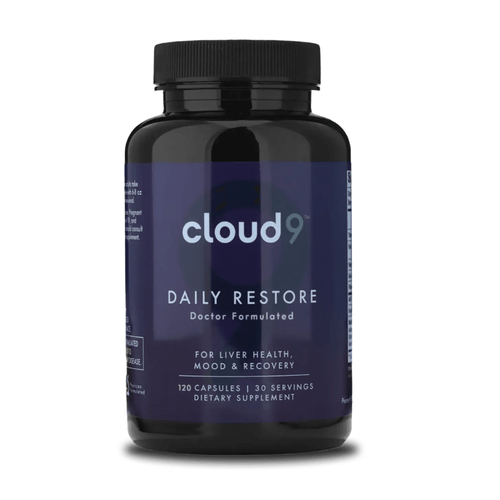
Cloud9 Daily Restore combines NAC, DHM, milk thistle, B vitamins, and ashwagandha to help support the pathways alcohol can tax most. Two capsules daily, drinking or not.
NAC | DHM | Milk Thistle | B Vitamins | Ashwagandha
See How Daily Restore WorksKey Signs You're Experiencing Standard Hangxiety
Standard hangxiety follows a predictable pattern that's directly linked to your drinking. Recognizing these typical characteristics can help you distinguish it from other forms of anxiety.
Timing and Duration
Classic hangxiety starts within hours of your last drink and peaks the next morning or early afternoon. The anxiety should noticeably improve as the day progresses and typically resolves completely within 24-48 hours. If you're still feeling anxious three or four days later, that's a signal something else might be at play.
Common Physical Symptoms
Hangxiety comes with a distinct set of physical sensations that mirror typical hangover symptoms. These include:
- Rapid or pounding heartbeat that's noticeable but not painful
- Shakiness or trembling hands
- Sweating or feeling clammy
- Nausea or upset stomach
- Headache and sensitivity to light or sound
- Fatigue combined with restlessness
Mental and Emotional Patterns
The thoughts that come with hangxiety usually center around what happened while you were drinking. You might obsessively replay conversations, worry you embarrassed yourself, or feel regret about your behavior. These ruminations are uncomfortable but they're typically specific to the drinking episode rather than free-floating or existential.
Warning Signs That Point to Something More Serious
While hangxiety is temporary and situational, certain red flags suggest you might be dealing with an underlying anxiety disorder or other mental health condition that needs professional attention.
Anxiety That Extends Beyond the Hangover Window
If your anxious feelings persist for more than 48-72 hours after your last drink, this timeline suggests something beyond alcohol's direct chemical effects. Generalized anxiety disorder, social anxiety, or other conditions can be triggered or worsened by drinking but don't resolve when the hangover does.
Pre-Drinking Anxiety
Pay attention to how you feel before you drink. If you notice significant anxiety in the days or hours leading up to social events, or if you're drinking specifically to calm pre-existing nervous feelings, this pattern indicates anxiety that exists independently of alcohol. Using alcohol as a coping mechanism for anxiety can create a problematic cycle that worsens both issues over time.
Symptoms During Alcohol-Free Periods
Take stock of your baseline. If you experience persistent worry, panic attacks, or physical anxiety symptoms during weeks when you haven't been drinking at all, you're likely dealing with an anxiety disorder rather than hangxiety. This distinction is crucial because the treatment approach differs significantly.
If anxiety is affecting your daily functioning, whether it's connected to drinking or not, reaching out for professional support is a sign of strength, not weakness. Mental health conditions are highly treatable, and early intervention often leads to better outcomes.
Comparing Hangxiety to Anxiety Disorders
Understanding the key differences between temporary hangxiety and clinical anxiety conditions can help you determine whether what you're experiencing is situational or requires professional evaluation.
| Characteristic | Hangxiety | Anxiety Disorder |
|---|---|---|
| Timing | Appears after drinking, resolves in 1-2 days | Persistent or recurring for weeks/months |
| Trigger | Directly linked to alcohol consumption | Multiple triggers or no clear trigger |
| Thought Patterns | Focused on drinking-related events or behavior | Broad worries about health, relationships, work, or existential concerns |
| Physical Symptoms | Coincide with other hangover symptoms | Occur independently of alcohol or hangovers |
| Impact on Function | Temporary disruption that improves quickly | Ongoing interference with work, relationships, or daily activities |
| Response to Self-Care | Improves with hydration, rest, and time | Requires therapeutic intervention or medication for improvement |
When to Seek Professional Help
Knowing when your symptoms warrant professional evaluation can feel confusing, but several clear indicators suggest it's time to reach out to a healthcare provider or mental health professional.
Medical Emergency Signs
Seek immediate medical attention if you experience chest pain, severe difficulty breathing, thoughts of self-harm, or extreme confusion. These symptoms can indicate serious complications like alcohol withdrawal, heart issues, or acute panic disorder that require urgent care.
Patterns That Indicate Professional Support Would Help
Consider scheduling an appointment with a healthcare provider or therapist if you notice any of these patterns:
- Anxiety symptoms that persist for more than a week after drinking
- Increasing alcohol consumption to manage anxiety
- Panic attacks occurring both when drinking and when sober
- Avoiding social situations due to fear of hangxiety
- Sleep disturbances that continue beyond the immediate hangover period
- Difficulty concentrating or completing work tasks due to anxiety
- Relationship strain caused by anxiety or drinking patterns
What to Expect from Professional Evaluation
A healthcare provider will typically ask about your drinking patterns, anxiety symptoms, family history, and overall mental health. They may use screening tools to assess for anxiety disorders, depression, or alcohol use concerns. This evaluation helps determine whether you're experiencing situational hangxiety, an anxiety disorder, problematic alcohol use, or a combination of factors.
Treatment options vary based on your specific situation but may include therapy (particularly cognitive-behavioral therapy), medication, lifestyle modifications, or support groups. Many people benefit from addressing both their relationship with alcohol and underlying anxiety simultaneously.
Practical Steps for Managing and Tracking Your Symptoms
Whether you're trying to differentiate hangxiety from anxiety disorders or simply want to reduce your symptoms, keeping detailed records can provide valuable insights.
Create a Symptom Journal
Track your anxiety symptoms daily, noting their intensity on a scale of 1-10, when they occur, how long they last, and any potential triggers. Record your alcohol consumption, including how much you drank and when. Also note sleep quality, stress levels, diet, and exercise, as these factors can all influence anxiety.
After a few weeks, patterns often emerge that help clarify whether your anxiety is truly tied to drinking or present more consistently. This information becomes incredibly valuable if you decide to consult with a healthcare provider.
Immediate Strategies for Hangxiety Relief
While you're working through the discomfort of hangxiety, several evidence-based strategies can help ease symptoms:
- Hydrate consistently with water and electrolyte-rich beverages
- Eat balanced meals with protein and complex carbohydrates to stabilize blood sugar
- Practice gentle movement like walking or stretching to help process stress hormones
- Use breathing exercises such as box breathing (inhale for 4, hold for 4, exhale for 4, hold for 4)
- Limit caffeine, which can amplify anxiety symptoms
- Get natural sunlight exposure to help regulate mood and circadian rhythm
- Reach out to trusted friends for reassurance and perspective
Long-Term Prevention Approaches
If hangxiety is a recurring problem, consider adjusting your relationship with alcohol. This might mean drinking less frequently, limiting the amount you consume in one sitting, or choosing lower-alcohol options. Some people find that certain types of alcohol trigger worse hangxiety than others, so experimentation can help identify your personal triggers.
Building a strong foundation of mental health practices also makes a difference. Regular exercise, consistent sleep schedules, stress management techniques, and maintaining social connections can all reduce baseline anxiety levels and make you more resilient to the chemical effects of alcohol.
How Daily Restore Supports Your Health
Understanding what your body needs is one thing. Getting consistent daily support is another. Daily Restore was designed to address the key pathways alcohol can stress most, in one simple daily formula.
NAC (N-Acetyl Cysteine)
Supports glutathione production and antioxidant defenses
DHM (Dihydromyricetin)
Supports alcohol metabolism
Milk Thistle (Silymarin)
Supports healthy liver function
B Vitamins
Help replenish nutrients involved in energy and metabolism
Ashwagandha
Supports stress resilience and healthy cortisol balance
Daily Restore is not a detox or a cure. It is a daily support formula designed for people who drink socially and want to give their body consistent, evidence-informed support.
Frequently Asked Questions
How long does hangxiety typically last?
Hangxiety symptoms usually peak within the first 24 hours after drinking and can last anywhere from several hours to a full day or two. The duration often depends on how much you drank, your individual physiology, and your baseline anxiety levels.
Can you prevent hangxiety before it starts?
While there's no guaranteed way to prevent hangxiety entirely, staying hydrated, eating before and during drinking, pacing yourself, and limiting overall alcohol intake can help reduce its severity. Supporting your body with proper nutrition and stress management tools on a daily basis may also make you more resilient when hangxiety does occur.
Is hangxiety the same as a regular hangover?
No, hangxiety specifically refers to the psychological symptoms of anxiety, worry, and unease that can accompany a hangover. While physical hangover symptoms include headache, nausea, and fatigue, hangxiety is characterized by racing thoughts, feelings of dread, and heightened emotional sensitivity that stem from alcohol's effect on brain chemistry.
When should I talk to a doctor about my anxiety after drinking?
You should reach out to a healthcare provider if your post-drinking anxiety lasts more than a few days, significantly interferes with your daily life, or if you notice your baseline anxiety is worsening over time. It's also important to seek professional help if you find yourself drinking more frequently to cope with anxiety or if you're experiencing panic attacks.
Does everyone experience hangxiety?
Not everyone experiences hangxiety, and its severity can vary widely from person to person. Research suggests that people who already have anxiety disorders or higher baseline stress levels may be more susceptible to hangxiety, though anyone can experience it depending on various factors including genetics, drinking patterns, and overall mental health.
The Bottom Line
Hangxiety is a real physiological response to alcohol that can leave you feeling anxious, worried, and emotionally off-balance the day after drinking. While these feelings are typically temporary and resolve within a day or two, it's important to recognize when anxiety symptoms persist beyond the hangover period or begin to impact your quality of life. Understanding the difference between occasional hangxiety and a more serious anxiety condition can help you take the right steps toward feeling better.
The good news is that you don't have to wait for hangxiety to strike to start supporting your mental wellness. Building a foundation of daily stress management, proper nutrition, hydration, and quality sleep can make you more resilient when those anxious mornings do occur. Simple practices like mindfulness, regular movement, and limiting alcohol intake can all contribute to better overall mental health.
Cloud9's Daily Restore can be a valuable part of your consistent wellness routine, offering targeted support for stress response and mental clarity. With adaptogens like ashwagandha and rhodiola, plus calming nutrients like L-theanine and magnesium, Daily Restore is designed to help your body manage everyday stress more effectively. When taken regularly, it may help support a more balanced mood and resilience, whether you're dealing with the occasional hangxiety or just navigating daily life.
Remember, occasional hangxiety is normal, but your mental health matters every single day. If anxiety is affecting your wellbeing or you're concerned about your drinking habits, reaching out to a healthcare professional is always the right move. Taking small, consistent steps toward better mental wellness can make a meaningful difference in how you feel, both after a night out and in your everyday life.
Build Your Daily Support Routine
Build Your Daily Support Routine
If drinking is part of your lifestyle, your support routine should not be random. Daily Restore was designed to help social drinkers support liver health, antioxidant defenses, alcohol metabolism, nutrient replenishment, and daily recovery in one simple routine.
NAC
DHM
Milk Thistle
B Vitamins
Ashwagandha