

You wake up with a pounding headache, cotton mouth, and a stomach that feels like it's staging a revolt. The room spins slightly when you sit up, and even the softest light feels like an assault. If you're reading this right now, you know exactly what a brutal hangover feels like.
The good news is that hangovers, while miserable, are temporary and treatable. What you eat, drink, and take in those crucial hours after waking can make a significant difference in how quickly you recover. Understanding which remedies actually work, and why, can help you get back on your feet faster.
This guide covers the most effective hangover remedies backed by research, from hydration strategies to nutrient-rich foods to supplements that may support recovery. Whether you're facing a mild headache or a full-blown post-party crash, these evidence-based approaches can help you feel human again.
Quick Take
- Rehydration with water and electrolytes is your first priority, as alcohol causes significant fluid and mineral loss
- Eating nutrient-dense foods like eggs, bananas, and whole grains helps restore depleted vitamins and stabilize blood sugar
- Supplements including B vitamins, vitamin C, and certain herbal extracts may support faster recovery
- Avoiding greasy foods, more alcohol, and acetaminophen can prevent making symptoms worse
- Full recovery typically takes 24 hours, but strategic remedies can significantly reduce symptom severity
Why Hangovers Happen: Understanding the Science
Hangovers result from multiple physiological processes triggered by alcohol consumption. When you drink, alcohol acts as a diuretic, causing increased urination that leads to dehydration and electrolyte imbalances. This fluid loss contributes significantly to headaches, fatigue, and dizziness.
Alcohol metabolism also depletes essential nutrients, particularly B vitamins and vitamin C, while disrupting blood sugar levels. Research suggests that inflammation, oxidative stress, and the buildup of acetaldehyde (a toxic byproduct of alcohol breakdown) further contribute to hangover symptoms. Your body is essentially working overtime to process toxins and restore balance.
Additionally, alcohol disrupts sleep quality even though it may help you fall asleep initially. Poor sleep architecture means you wake up less rested, compounding the physical symptoms. Understanding these mechanisms helps explain why comprehensive recovery requires addressing multiple factors: hydration, nutrition, and rest.
Daily Support for Social Drinkers
Your liver works hard every day. Give it consistent support.
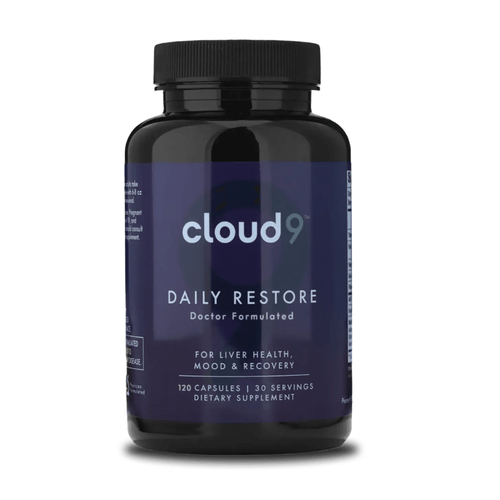
Cloud9 Daily Restore combines NAC, DHM, milk thistle, B vitamins, and ashwagandha to help support the pathways alcohol can tax most. Two capsules daily, drinking or not.
NAC | DHM | Milk Thistle | B Vitamins | Ashwagandha
See How Daily Restore WorksWhat to Drink: Rehydration Strategies That Work
Start With Water and Electrolytes
Plain water should be your first line of defense, but it's not the complete solution. When alcohol causes you to lose fluids, you also lose electrolytes like sodium, potassium, and magnesium. Studies show that replacing both fluids and electrolytes accelerates recovery more effectively than water alone.
Drink 16-20 ounces of water immediately upon waking, then continue sipping throughout the morning. Alternate between plain water and electrolyte-rich beverages to ensure comprehensive rehydration. Aim for at least 64 ounces of total fluid intake over the first few hours.
Best Drinks for Hangover Recovery
- Coconut water: Naturally rich in potassium and other electrolytes with less sugar than sports drinks
- Electrolyte drinks: Commercial products or homemade solutions with balanced sodium and potassium
- Herbal teas: Ginger tea for nausea, peppermint for digestion, or chamomile for calming effects
- Bone broth: Provides sodium, amino acids, and minerals in an easily digestible form
- Fresh juice: Orange or tomato juice offer vitamins and natural sugars, but dilute to reduce acidity
What to Avoid Drinking
Skip the "hair of the dog" approach. Drinking more alcohol may temporarily mask symptoms but ultimately delays recovery and can promote unhealthy drinking patterns. Coffee is a mixed bag: while caffeine can help with headaches if you're a regular coffee drinker, it also acts as a diuretic and may worsen dehydration if you're not careful.
Avoid sugary sodas and energy drinks, which can cause blood sugar spikes and crashes that worsen fatigue. Carbonated beverages may also irritate an already sensitive stomach. Stick with gentle, hydrating options that support your body's natural recovery processes.
What to Eat: Foods That Support Recovery
Why Food Matters for Hangover Relief
Eating the right foods addresses multiple hangover symptoms simultaneously. Alcohol consumption depletes glycogen stores and disrupts blood sugar regulation, contributing to weakness and irritability. Research suggests that restoring these energy reserves with complex carbohydrates can improve how you feel significantly.
Food also provides essential vitamins and minerals lost during drinking. B vitamins, zinc, and magnesium play crucial roles in energy metabolism and alcohol processing. Getting these nutrients from whole foods offers better absorption than supplements alone.
Best Foods to Eat the Morning After
Eggs: One of the most beneficial hangover foods, eggs contain cysteine, an amino acid that helps break down acetaldehyde. They're also rich in protein and B vitamins. Scrambled, poached, or in an omelet, eggs provide sustained energy without being too heavy.
Bananas: Packed with potassium, which alcohol depletes rapidly. Bananas also contain natural sugars for quick energy and are gentle on upset stomachs. They're easy to digest when you're feeling queasy.
Whole grain toast or oatmeal: Complex carbohydrates provide steady energy and help stabilize blood sugar. They're bland enough for sensitive stomachs while offering B vitamins and fiber. Add a drizzle of honey for additional natural sugars.
Leafy greens and vegetables: Spinach, kale, and other greens contain folate and other nutrients that support liver function. Vegetables also provide hydration through their high water content. Try a green smoothie if solid food feels unappealing.
Avocado: Rich in potassium and healthy fats that can help stabilize digestion. Spread on toast or add to eggs for a nutrient boost that doesn't overwhelm your system.
Foods to Avoid
- Greasy fast food: Despite popular belief, heavy, fatty foods can worsen nausea and are harder to digest
- Spicy dishes: May irritate your already sensitive stomach lining and increase acid production
- High-sugar foods: Candy and pastries cause blood sugar spikes followed by crashes that worsen fatigue
- Acidic foods: Citrus fruits and tomatoes in large amounts may increase stomach discomfort for some people
Supplements and Remedies That May Help
Vitamins and Minerals for Recovery
Certain supplements can help replenish what alcohol depletes. B-complex vitamins, particularly B1 (thiamine), B6, and B12, support energy metabolism and nervous system function. Vitamin C acts as an antioxidant that may help reduce oxidative stress from alcohol metabolism.
Magnesium supports hundreds of bodily functions and is commonly depleted by alcohol. Zinc plays a role in alcohol metabolism and immune function. Taking these supplements with food may support your body's natural recovery processes, though whole foods should remain your primary nutrient source.
While no supplement can cure a hangover instantly, strategic nutritional support may help reduce symptom severity and duration. The key is supporting your body's natural detoxification and recovery processes rather than looking for a magic bullet.
Herbal Remedies Worth Considering
Ginger: Studies suggest ginger can effectively reduce nausea and settle upset stomachs. Try fresh ginger tea or ginger supplements if you're experiencing digestive discomfort. It's one of the most well-researched natural remedies for nausea.
Milk thistle: Contains silymarin, a compound that may support liver function and protect liver cells. While research on hangover-specific benefits is limited, milk thistle has a long history of traditional use for liver health.
Prickly pear extract: Some research indicates this cactus extract may reduce hangover severity when taken before drinking. Morning-after benefits are less clear, but it may still offer antioxidant support.
Over-the-Counter Pain Relief
For headaches, ibuprofen or aspirin can provide relief. Take these with food to protect your stomach lining. Avoid acetaminophen (Tylenol) when hungover, as combining it with alcohol residue in your system can strain your liver.
Time your pain relief carefully. If your stomach is very upset, address nausea first before adding medication. Sometimes rehydration and food alone can reduce headache intensity without additional medication.
Recovery Timeline: What to Expect
| Time Frame | What's Happening | Recommended Actions |
|---|---|---|
| 0-2 hours | Peak symptoms, dehydration, low blood sugar | Hydrate aggressively, eat light carbs and protein, rest |
| 2-6 hours | Symptoms begin improving with proper care | Continue fluids, eat substantial meal, gentle movement |
| 6-12 hours | Significant improvement, residual fatigue | Maintain hydration, normal eating, avoid strenuous activity |
| 12-24 hours | Most symptoms resolved, energy returning | Resume normal activities, prioritize sleep quality |
When to Seek Medical Attention
Most hangovers resolve on their own with supportive care. However, certain symptoms warrant medical attention. Seek help if you experience severe vomiting that prevents keeping fluids down, signs of dehydration like dark urine or dizziness when standing, confusion or difficulty waking, or chest pain.
Severe abdominal pain, blood in vomit or stool, or symptoms lasting beyond 24 hours with proper care should also prompt a medical evaluation. These could indicate alcohol poisoning, gastritis, or other complications requiring professional treatment. Trust your instincts if something feels seriously wrong.
Building Your Hangover Recovery Kit
Keep These Essentials on Hand
Prevention is ideal, but preparation is practical. Having recovery supplies ready means you can address symptoms immediately rather than dragging yourself to the store. Stock your kitchen with these hangover-fighting essentials before you need them.
- Hydration supplies: Electrolyte packets or powder, coconut water, herbal tea bags
- Easy foods: Bananas, whole grain bread, oatmeal packets, eggs, crackers
- Supplements: B-complex vitamins, vitamin C, magnesium, ginger capsules
- Medications: Ibuprofen or aspirin, antacids for stomach upset
- Comfort items: Eye mask for light sensitivity, heating pad for stomach discomfort
Creating Your Recovery Routine
Develop a systematic approach for morning-after recovery. Start with hydration immediately, even before getting out of bed. Keep water on your nightstand. Within the first hour, consume at least 20 ounces of fluid with electrolytes.
Follow hydration with gentle, nutrient-dense food within two hours of waking. Don't force a huge meal if you're nauseous, but do eat something to stabilize blood sugar. Take your supplements with food for better absorption and less stomach irritation. Then prioritize rest, allowing your body the time it needs to process and recover.
How Daily Restore Supports Your Health
Understanding what your body needs is one thing. Getting consistent daily support is another. Daily Restore was designed to address the key pathways alcohol can stress most, in one simple daily formula.
NAC (N-Acetyl Cysteine)
Supports glutathione production and antioxidant defenses
DHM (Dihydromyricetin)
Supports alcohol metabolism
Milk Thistle (Silymarin)
Supports healthy liver function
B Vitamins
Help replenish nutrients involved in energy and metabolism
Ashwagandha
Supports stress resilience and healthy cortisol balance
Daily Restore is not a detox or a cure. It is a daily support formula designed for people who drink socially and want to give their body consistent, evidence-informed support.
Frequently Asked Questions
What's the fastest way to recover from a hangover?
The fastest recovery typically comes from rehydrating with water and electrolytes, eating a balanced meal with carbohydrates and protein, and getting adequate rest. While there's no instant cure, addressing dehydration and nutrient depletion can help you feel better more quickly.
Does drinking water before bed prevent a hangover?
Drinking water before bed can help reduce hangover severity by combating dehydration, one of the main contributors to hangover symptoms. While it won't completely prevent a hangover if you've consumed a lot of alcohol, staying hydrated throughout the evening and before sleep may help minimize morning-after discomfort.
Are there any supplements that can help with hangover recovery?
Research suggests that certain supplements may support recovery by addressing specific aspects of hangover symptoms. B vitamins, electrolytes, NAC, and milk thistle are among the nutrients studied for their potential benefits in supporting liver function and reducing oxidative stress associated with alcohol metabolism.
Why do I feel nauseous the morning after drinking?
Nausea after drinking often results from alcohol irritating your stomach lining, disrupting your blood sugar levels, and triggering inflammation throughout your digestive system. The buildup of acetaldehyde, a toxic byproduct of alcohol metabolism, can also contribute to feelings of nausea and overall discomfort.
Should I exercise with a hangover?
Light movement like walking or gentle stretching may help you feel better by boosting circulation and mood, but intense exercise isn't recommended when you're dehydrated and depleted. Listen to your body, prioritize rehydration and nutrition first, and save vigorous workouts for when you're fully recovered.
The Bottom Line
While there's no magic cure for a hangover, the right combination of hydration, nutrition, and targeted nutrients can make a significant difference in how quickly you recover. Focusing on electrolyte-rich drinks, balanced meals with protein and complex carbohydrates, and gentle movement can help your body process alcohol's aftereffects more efficiently.
The best hangover remedy, of course, is prevention: drinking in moderation, staying hydrated throughout the evening, and supporting your body with proper nutrition. But when you do overindulge, having a recovery plan in place can help you bounce back faster and feel more like yourself.
For daily liver support and overall wellness, Cloud9's Daily Restore offers a blend of milk thistle, NAC, B vitamins, and electrolytes designed to help your body handle oxidative stress and maintain healthy function. While it's not specifically a hangover cure, incorporating it into your regular routine may help support your body's natural detoxification processes and overall resilience.
Remember, consistent self-care and mindful choices are your best tools for feeling good, whether you're recovering from a night out or simply supporting your health day to day. Your body has remarkable healing abilities when given the right support.
Build Your Daily Support Routine
Build Your Daily Support Routine
If drinking is part of your lifestyle, your support routine should not be random. Daily Restore was designed to help social drinkers support liver health, antioxidant defenses, alcohol metabolism, nutrient replenishment, and daily recovery in one simple routine.
NAC
DHM
Milk Thistle
B Vitamins
Ashwagandha