

If you've noticed conflicting messages about alcohol over the years, you're not imagining it. The guidelines for what constitutes "safe" drinking have shifted significantly, and the latest research paints a more complex picture than the simple recommendations many of us grew up with.
This isn't about judgment or scare tactics. Understanding why these changes happened can help you make informed decisions that align with your actual health goals, whether that's optimizing your sleep, managing your weight, or simply feeling your best day to day.
Here's what changed, why it matters, and how to think about alcohol in the context of your overall wellness.
Quick Take
- U.S. guidelines changed from "moderate drinking may have benefits" to emphasizing potential health risks at all consumption levels
- New research links even low to moderate drinking with increased cancer risk, cardiovascular issues, and sleep disruption
- Current recommendations suggest no more than 2 drinks per day for men and 1 for women, with many experts advocating for less
- The change reflects better long-term studies and a more complete understanding of alcohol's effects on the body
- Individual risk varies based on genetics, health status, medications, and lifestyle factors
What Actually Changed in the Guidelines
For decades, health authorities suggested that moderate drinking, particularly red wine, might offer cardiovascular benefits. The 2020-2025 Dietary Guidelines for Americans marked a significant shift in tone. While the numerical limits remained similar, the messaging moved away from potential benefits and toward a clearer acknowledgment of health risks.
The World Health Organization went further, stating in recent years that no level of alcohol consumption is safe for health. This doesn't mean a single drink will cause immediate harm, but rather that researchers haven't identified a threshold below which alcohol carries zero risk.
This change wasn't arbitrary. It came from more sophisticated long-term studies that could separate alcohol's effects from other lifestyle factors, revealing connections that earlier research had missed or underestimated.
Daily Support for Social Drinkers
Your liver works hard every day. Give it consistent support.
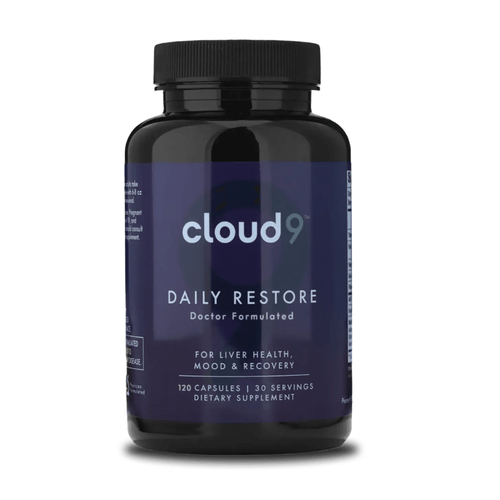
Cloud9 Daily Restore combines NAC, DHM, milk thistle, B vitamins, and ashwagandha to help support the pathways alcohol can tax most. Two capsules daily, drinking or not.
NAC | DHM | Milk Thistle | B Vitamins | Ashwagandha
See How Daily Restore WorksWhy the Science Evolved
Better Research Methods
Early studies suggesting health benefits from moderate drinking often confused correlation with causation. People who drank moderately tended to have higher incomes, better healthcare access, and healthier overall lifestyles compared to both heavy drinkers and abstainers.
When researchers controlled for these factors more carefully, many of the supposed benefits diminished or disappeared entirely. Modern studies with larger sample sizes and longer follow-up periods painted a different picture.
The Cancer Connection
One of the most significant factors in the guideline shift was mounting evidence linking alcohol to several types of cancer. Research now shows that alcohol can increase risk for cancers of the mouth, throat, esophagus, liver, colon, and breast.
The mechanism is clear: your body breaks down alcohol into acetaldehyde, a toxic compound that can damage DNA and prevent cells from repairing that damage. Even moderate consumption contributes to this process.

Understanding Cumulative Effects
Recent research emphasizes that alcohol's impact accumulates over time. What seems like moderate drinking in your 30s and 40s can contribute to significant health issues decades later, including cognitive decline, liver disease, and increased cancer risk.
Studies also revealed that alcohol disrupts sleep architecture more significantly than previously understood, affecting REM sleep and deep sleep cycles even when consumed hours before bedtime. This has ripple effects on everything from hormone regulation to immune function.
What the Current Guidelines Actually Say
| Category | Recommendation | Key Considerations |
|---|---|---|
| Men | Up to 2 drinks per day | Not an average; less is better for health |
| Women | Up to 1 drink per day | Higher cancer risk even at low levels |
| Pregnant individuals | Zero alcohol | No safe amount during pregnancy |
| Those with certain conditions | Zero or minimal | Liver disease, certain cancers, medications |
It's worth noting that one "standard drink" is more specific than many people realize. It's 12 ounces of beer, 5 ounces of wine, or 1.5 ounces of distilled spirits. Many restaurant pours and home servings exceed these amounts, sometimes significantly.
Why Women Have Different Guidelines
The lower recommendation for women isn't about body size alone, though that's a factor. Women typically have less of the enzyme that breaks down alcohol, leading to higher blood alcohol concentrations from the same amount of alcohol.
Research also shows stronger links between alcohol and breast cancer in women, with risk increasing even at relatively low consumption levels. Hormonal factors and how alcohol interacts with estrogen play a role in this elevated risk.
What This Means for Your Daily Life
Rethinking "Healthy" Habits
If you've been having a glass of wine with dinner because you thought it was good for your heart, the new research suggests that benefit was likely overstated. Any potential cardiovascular effects are likely outweighed by increased cancer risk and other health concerns.
This doesn't mean you need to quit immediately if you enjoy an occasional drink. It means understanding that alcohol is more like an indulgence you choose to accept than a health practice you're incorporating.
The shift in guidelines isn't about creating anxiety around every drink. It's about giving you accurate information so you can make decisions that align with your actual priorities and health goals.
Practical Steps to Evaluate Your Relationship with Alcohol
Understanding the guidelines is one thing; applying them to your life is another. Here are some questions that can help you assess whether your current habits align with your wellness goals:
- Are you drinking because you genuinely enjoy it, or because it's become automatic or stress-driven?
- How do you feel the morning after drinking, even moderate amounts? Is your sleep quality affected?
- Are you drinking more than the guidelines suggest, or finding it difficult to stick to limits you've set?
- Do you have family history or personal risk factors that make alcohol consumption riskier for you specifically?
- Have you noticed any physical symptoms that might be alcohol-related, such as digestive issues, sleep problems, or skin changes?
Individual Risk Factors That Matter
Not everyone faces the same level of risk from alcohol consumption. Your genetics, existing health conditions, medications, and lifestyle all play a role in how alcohol affects you.
Some people carry genetic variations that affect how quickly they metabolize alcohol or that increase their susceptibility to addiction. Others take medications that interact dangerously with alcohol, even in small amounts.
If you have a family history of certain cancers, liver disease, or alcohol use disorder, your personal risk calculations shift significantly. These aren't just abstract statistics; they're factors that directly influence how alcohol affects your body and your long-term health trajectory.
Moving Forward with the New Information
Options Beyond All or Nothing
Understanding the updated guidelines doesn't have to mean complete abstinence unless that's your choice. For many people, it means being more intentional about when and why they drink.
Some approaches people find helpful include:
- Setting specific occasions for drinking rather than making it a daily habit
- Experimenting with alcohol-free days or weeks to notice how you feel
- Choosing quality over quantity when you do drink
- Exploring the growing market of sophisticated non-alcoholic alternatives
- Addressing the underlying reasons you reach for alcohol, whether that's stress, social anxiety, or simple habit
The Role of Honest Self-Assessment
The gap between official guidelines and actual consumption patterns is significant for many people. Studies suggest that a substantial portion of those who drink regularly consume more than the recommended limits without realizing it.
Tracking your actual intake for a week or two, measuring servings accurately, can be eye-opening. Many people discover they're having two to three times what they estimated, simply because standard pours have grown over time and home servings tend to be generous.
How Daily Restore Supports Your Health
Understanding what your body needs is one thing. Getting consistent daily support is another. Daily Restore was designed to address the key pathways alcohol can stress most, in one simple daily formula.
NAC (N-Acetyl Cysteine)
Supports glutathione production and antioxidant defenses
DHM (Dihydromyricetin)
Supports alcohol metabolism
Milk Thistle (Silymarin)
Supports healthy liver function
B Vitamins
Help replenish nutrients involved in energy and metabolism
Ashwagandha
Supports stress resilience and healthy cortisol balance
Daily Restore is not a detox or a cure. It is a daily support formula designed for people who drink socially and want to give their body consistent, evidence-informed support.
Frequently Asked Questions
Why did health organizations lower the recommended drinking limits?
The updated guidelines reflect decades of research showing that even moderate alcohol consumption carries more health risks than previously understood. Studies have linked regular drinking to increased risks of certain cancers, liver disease, and cardiovascular issues, even at levels once considered safe. These changes aim to help people make more informed decisions about their health.
Does this mean I have to quit drinking completely?
Not necessarily. The guidelines are recommendations, not mandates, designed to help you understand potential risks. Many people choose to reduce their intake rather than eliminate alcohol entirely, while others find that cutting back significantly or stopping altogether aligns better with their health goals. The key is making an informed choice that works for your individual circumstances and wellness priorities.
How can I tell if my drinking has become problematic?
Warning signs may include regularly exceeding the recommended limits, feeling unable to cut back despite wanting to, experiencing hangovers that interfere with daily responsibilities, or noticing that alcohol affects your mood, sleep quality, or relationships. If you find yourself drinking to cope with stress or emotions, or if others have expressed concern about your habits, it may be worth reassessing your relationship with alcohol.
What are some effective strategies for cutting back on alcohol?
Start by tracking your current consumption to establish a baseline, then set specific, realistic goals for reduction. Alternating alcoholic drinks with water or non-alcoholic beverages, choosing alcohol-free days during the week, and finding alternative ways to unwind like exercise or meditation can all help. Supporting your body with proper nutrition and targeted supplements may also make the transition more comfortable.
Can supplements really help with alcohol-related health concerns?
While supplements cannot undo the effects of excessive drinking, research suggests that certain nutrients can support your body's natural processes for managing oxidative stress and maintaining liver function. Ingredients like milk thistle, NAC, and B vitamins have been studied for their potential to support overall wellness in people looking to moderate their alcohol intake. They work best as part of a comprehensive approach that includes dietary improvements and lifestyle changes.
The Bottom Line
The revised drinking guidelines reflect our evolving understanding of how alcohol affects long-term health. While the new recommendations may seem stricter than what many of us grew up with, they're grounded in solid research designed to help you make choices that support your wellness goals. Whether you decide to cut back gradually, take regular alcohol-free days, or reassess your relationship with drinking entirely, being informed puts you in control.
Remember that change doesn't have to happen overnight. Small, consistent steps often lead to the most sustainable results. Pay attention to how you feel as you adjust your habits, and don't hesitate to reach out to healthcare professionals if you need additional support or guidance.
If you're working on moderating your alcohol intake or supporting your body through lifestyle changes, Daily Restore can be a valuable part of your daily routine. Formulated with research-backed ingredients like milk thistle, NAC, and essential B vitamins, it's designed to support your liver function and overall wellness as you navigate these changes.
Taking charge of your health means making informed decisions that align with your personal goals and values. The new guidelines give you the information you need to do exactly that, and with the right support, you can build habits that help you feel your best for years to come.
Build Your Daily Support Routine
Build Your Daily Support Routine
If drinking is part of your lifestyle, your support routine should not be random. Daily Restore was designed to help social drinkers support liver health, antioxidant defenses, alcohol metabolism, nutrient replenishment, and daily recovery in one simple routine.
NAC
DHM
Milk Thistle
B Vitamins
Ashwagandha