

You take a common medication, maybe for allergies or blood pressure or anxiety. You also enjoy a glass of wine with dinner or drinks with friends. You've probably never thought twice about whether these two habits could be working against each other, or worse, putting your health at risk.
The reality is that millions of people regularly combine alcohol with medications without realizing the potential consequences. Some interactions are merely inconvenient, reducing how well your medication works. Others can be genuinely dangerous, causing severe side effects or even life-threatening complications.
Understanding how alcohol interacts with the medications you take isn't about fear or restriction. It's about making informed choices that protect your health while you manage your wellbeing.
Quick Take
- Alcohol can amplify, diminish, or dangerously alter the effects of many common prescription and over-the-counter medications
- Interactions range from reduced medication effectiveness to severe complications like liver damage, bleeding, or respiratory depression
- Even occasional drinking can cause problems with certain medications, particularly those affecting the central nervous system
- Women, older adults, and people with chronic conditions face higher risks from alcohol-medication interactions
- Always consult your healthcare provider about alcohol use when starting any new medication, including supplements
Why Alcohol and Medications Don't Mix Well
When you drink alcohol, your body treats it like any other substance that needs processing. Your liver works to break down both the alcohol and any medications in your system, often using the same enzymes for both tasks. This competition for your liver's attention can cause medications to build up to dangerous levels or get metabolized too quickly to be effective.
Alcohol also affects how your body absorbs medications through your digestive system. It can speed up or slow down absorption, changing how much of the medication actually enters your bloodstream. Research suggests that chronic drinking can alter the stomach lining and intestinal function, making medication absorption even more unpredictable.
Beyond processing issues, alcohol has its own pharmacological effects that can directly amplify or conflict with what your medication is trying to do. Both alcohol and many medications affect neurotransmitters, blood pressure, blood sugar, and other critical body systems. When their effects combine or clash, the results can range from uncomfortable to dangerous.
Daily Support for Social Drinkers
Your liver works hard every day. Give it consistent support.
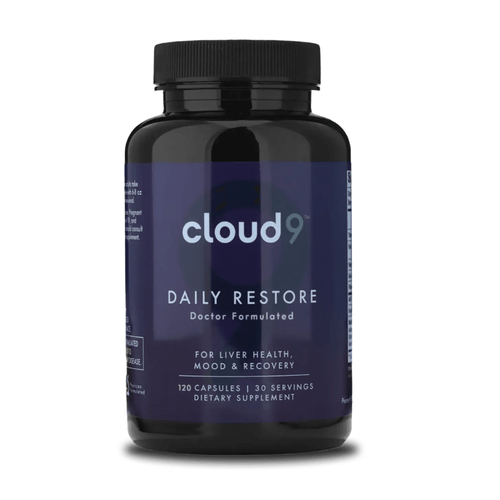
Cloud9 Daily Restore combines NAC, DHM, milk thistle, B vitamins, and ashwagandha to help support the pathways alcohol can tax most. Four capsules daily, drinking or not.
NAC | DHM | Milk Thistle | B Vitamins | Ashwagandha
See How Daily Restore WorksCommon Medication Categories That Interact With Alcohol
Pain Relievers and Anti-Inflammatory Medications
Over-the-counter pain medications are some of the most commonly used drugs in America, and many people don't think twice about having a drink while taking them. However, combining alcohol with these medications can cause significant problems.
Acetaminophen (Tylenol) combined with alcohol creates a particularly risky situation for your liver. Both substances require extensive liver processing, and together they can lead to acute liver damage, even at normal doses. Studies show that people who drink regularly while taking acetaminophen face substantially higher risks of liver injury.
NSAIDs like ibuprofen and naproxen interact with alcohol differently but no less seriously:
- Increased risk of stomach bleeding and ulcers
- Greater chance of gastrointestinal damage
- Heightened kidney stress, especially with chronic use
- Potential for more severe hangovers due to compounded dehydration
Antidepressants and Anti-Anxiety Medications
Medications that affect your mood and mental state present some of the most concerning interactions with alcohol. Both alcohol and these medications work on similar brain chemistry, particularly neurotransmitters like serotonin, dopamine, and GABA.
Selective serotonin reuptake inhibitors (SSRIs) are commonly prescribed for depression and anxiety. While the interaction isn't always immediately dangerous, alcohol can worsen depression symptoms, increase sedation, and impair your judgment and motor skills more than either substance would alone. Some people also experience unusual side effects like increased anxiety or emotional volatility when mixing the two.
Benzodiazepines (like Xanax, Valium, and Ativan) create an especially dangerous combination with alcohol:
- Both are central nervous system depressants that can dangerously slow breathing
- Risk of severe sedation, confusion, and memory problems
- Significantly impaired coordination and judgment
- Potential for respiratory depression or even coma in severe cases
- Increased overdose risk, even with typical doses of each substance
Blood Pressure and Heart Medications
Cardiovascular medications interact with alcohol in ways that can affect your heart rhythm, blood pressure, and overall heart function. These interactions are particularly concerning because they may not produce obvious symptoms until a serious problem develops.
Blood pressure medications can become less effective when combined with alcohol, or they can cause blood pressure to drop too low. Alcohol initially raises blood pressure, then can cause it to drop, creating unpredictable effects. This roller coaster can lead to dizziness, fainting, or irregular heartbeat.
Many people don't realize that "social drinking" or having wine with dinner still counts as alcohol consumption that can interact with medications. Any amount of alcohol can potentially cause problems with certain drugs.
Diabetes Medications
Alcohol has complex effects on blood sugar that become even more unpredictable when combined with diabetes medications. Your liver normally helps regulate blood sugar by releasing glucose when needed, but when it's busy processing alcohol, this function gets disrupted.
The combination can cause dangerous drops in blood sugar (hypoglycemia), especially if you're taking insulin or medications that increase insulin production. Symptoms of low blood sugar can also mimic intoxication, making it difficult to recognize and treat the problem quickly.
Everyday Medications You Might Not Suspect
Allergy and Cold Medications
Many people assume that over-the-counter allergy and cold medications are safe to combine with alcohol because they're available without a prescription. However, antihistamines like diphenhydramine (Benadryl) and medications containing pseudoephedrine can interact significantly with alcohol.
The primary concern is increased drowsiness and sedation. Antihistamines already cause sleepiness in many people, and alcohol amplifies this effect substantially. This combination can impair your ability to drive, operate machinery, or make sound decisions far more than either substance alone.

Antibiotics
The relationship between antibiotics and alcohol is more nuanced than the blanket "never mix them" advice many people receive. While most antibiotics don't have dangerous interactions with moderate alcohol consumption, some specific types do pose serious risks.
Metronidazole and tinidazole can cause severe reactions when combined with alcohol, including nausea, vomiting, rapid heart rate, and sudden blood pressure changes. Other antibiotics may simply be less effective when you're drinking, as alcohol can interfere with your body's ability to fight infection and may worsen side effects like stomach upset.
Sleep Aids
Both prescription and over-the-counter sleep medications create particularly risky interactions with alcohol. Since both substances work as central nervous system depressants, their combined effects can be unpredictable and dangerous.
Common risks include:
- Extreme drowsiness that persists into the next day
- Sleepwalking or other unusual behaviors during sleep
- Slowed breathing or respiratory depression
- Severe memory impairment or blackouts
- Increased risk of falls and accidents
Who Faces Higher Risks From Alcohol-Medication Interactions
Age-Related Factors
Older adults face significantly higher risks when combining alcohol with medications for several biological reasons. As we age, our bodies process both alcohol and medications more slowly, meaning substances stay in the system longer and can build up to higher concentrations.
Older adults also typically take multiple medications, increasing the complexity of potential interactions. Research suggests that more than 40% of older adults use at least five medications regularly, and many of these are known to interact with alcohol.
Gender Differences
Women generally face higher risks from alcohol-medication interactions than men, even when drinking the same amount. Women typically have less body water than men, meaning alcohol becomes more concentrated in their systems. They also produce smaller amounts of the enzyme that breaks down alcohol in the stomach.
These biological differences mean that women reach higher blood alcohol concentrations from the same amount of drinking, which can intensify interactions with medications. Hormonal fluctuations throughout the menstrual cycle can also affect how both alcohol and medications are processed.
Chronic Health Conditions
If you have liver disease, kidney disease, or heart conditions, the risks of combining alcohol with medications increase substantially. These organs play crucial roles in processing both alcohol and drugs, and when they're already compromised, adding alcohol to the equation can overwhelm their capacity.
| Condition | Why Risk Increases | Key Concerns |
|---|---|---|
| Liver Disease | Reduced ability to metabolize both alcohol and medications | Toxic buildup, accelerated liver damage |
| Kidney Disease | Impaired drug excretion and fluid balance | Medication accumulation, dehydration |
| Heart Disease | Alcohol affects heart rhythm and blood pressure | Arrhythmias, blood pressure swings |
| Diabetes | Unpredictable blood sugar effects | Dangerous hypoglycemia, poor control |
| Mental Health Conditions | Alcohol worsens symptoms and medication side effects | Increased depression, anxiety, sedation |
Practical Steps to Stay Safe
Have Honest Conversations With Your Healthcare Providers
The single most important step you can take is being completely honest with your doctor and pharmacist about your alcohol consumption. Many people underreport how much they drink, either out of embarrassment or because they don't consider their drinking significant.
When starting any new medication, ask specific questions about alcohol interactions. Don't assume that if your provider doesn't mention it, mixing the two is safe. Pharmacists are excellent resources for this information and can often provide more detailed guidance about timing and specific risks.
Read Medication Labels and Information Sheets
Those paper inserts that come with your prescriptions contain crucial information about alcohol interactions. Take time to read them, paying special attention to warnings about alcohol use. Over-the-counter medications also include this information on their labels.
Look for phrases like "do not drink alcoholic beverages," "may cause drowsiness; alcohol may intensify this effect," or "avoid alcohol while taking this medication." These aren't just suggestions; they're evidence-based warnings about real risks.
Consider Timing and Quantity
If you do choose to drink while taking medications that have potential but not absolute contraindications, timing and moderation matter significantly. Spacing out your medication and alcohol consumption can reduce interaction risks, though this isn't appropriate for all medications.
Key timing considerations:
- Allow several hours between taking medication and drinking when possible
- Never drink alcohol to help you fall asleep if you've taken sleep medication
- Avoid drinking when you're taking medications multiple times per day
- Remember that alcohol stays in your system for hours after your last drink
- Consider that some medications build up in your system over days or weeks
Watch for Warning Signs
Pay attention to how you feel when you've combined alcohol with medication, even if you've done it before without obvious problems. Warning signs of a problematic interaction can include unusual drowsiness, dizziness, nausea, rapid heartbeat, difficulty breathing, confusion, or coordination problems that seem more severe than expected.
If you experience any concerning symptoms, seek medical attention promptly. Don't wait to see if symptoms resolve on their own, especially if you're having trouble breathing, severe dizziness, or chest pain.
How Daily Restore Supports Your Health
Understanding what your body needs is one thing. Getting consistent daily support is another. Daily Restore was designed to address the key pathways alcohol can stress most, in one simple daily formula.
NAC (N-Acetyl Cysteine)
Supports glutathione production and antioxidant defenses
DHM (Dihydromyricetin)
Supports alcohol metabolism
Milk Thistle (Silymarin)
Supports healthy liver function
B Vitamins
Help replenish nutrients involved in energy and metabolism
Ashwagandha
Supports stress resilience and healthy cortisol balance
Daily Restore is not a detox or a cure. It is a daily support formula designed for people who drink socially and want to give their body consistent, evidence-informed support.
Frequently Asked Questions
How long after taking medication should I wait before drinking alcohol?
The waiting period varies significantly depending on the medication and your individual metabolism. Some medications require 24 hours or more between doses and alcohol consumption, while others may need several days to clear your system. Always consult your healthcare provider or pharmacist for specific guidance based on your prescriptions.
Can I drink alcohol if I only take over-the-counter medications?
Over-the-counter medications can still interact with alcohol, sometimes in serious ways. Common pain relievers like acetaminophen and ibuprofen, antihistamines, and sleep aids can all cause complications when mixed with alcohol. Just because a medication doesn't require a prescription doesn't mean it's safe to combine with drinking.
What are the signs that alcohol is interacting negatively with my medication?
Warning signs may include unusual drowsiness, dizziness, nausea, rapid heartbeat, changes in blood pressure, difficulty breathing, or increased side effects from your medication. If you experience any unusual symptoms after combining alcohol with medication, seek medical attention immediately. These interactions can escalate quickly and require professional evaluation.
Does the type of alcohol matter when it comes to medication interactions?
The type of alcohol (beer, wine, or liquor) generally doesn't change how it interacts with medications. What matters most is the total amount of alcohol consumed and the specific medication involved. However, some people mistakenly believe that beer or wine is "safer" than hard liquor, which can lead to consuming more alcohol than intended.
Should I tell my doctor about my alcohol consumption when discussing medications?
Absolutely. Honest communication about your drinking habits helps your healthcare provider prescribe medications safely and adjust dosages if needed. Many people underreport their alcohol consumption, which can lead to dangerous interactions. Your doctor needs accurate information to protect your health and ensure your treatment plan is effective.
The Bottom Line
Understanding how alcohol interacts with medications is essential for your safety and wellbeing. Whether you're taking prescription drugs for chronic conditions or reaching for over-the-counter pain relievers, mixing them with alcohol can lead to serious complications. The best approach is always to consult with your healthcare provider or pharmacist before combining any medication with alcohol.
If you choose to drink while taking medications, being informed about potential interactions can help you make safer decisions. Pay attention to warning labels, ask questions about your prescriptions, and never assume that a medication is safe to mix with alcohol just because it seems routine. Your body processes both substances through your liver, and overloading this vital organ can have lasting consequences.
For those looking to support their body's natural processes, Cloud9's Daily Restore offers a blend of nutrients designed to help maintain overall wellness. With ingredients like milk thistle, NAC, and B vitamins, it can be part of a consistent daily routine that supports your body, whether you drink occasionally or are working on moderating your alcohol consumption.
Taking care of your health means being thoughtful about all the substances you put in your body and how they work together. By staying informed, asking questions, and making conscious choices, you can better protect yourself from potentially dangerous medication interactions while maintaining the lifestyle that works for you.
Build Your Daily Support Routine
Build Your Daily Support Routine
If drinking is part of your lifestyle, your support routine should not be random. Daily Restore was designed to help social drinkers support liver health, antioxidant defenses, alcohol metabolism, nutrient replenishment, and daily recovery in one simple routine.
NAC
DHM
Milk Thistle
B Vitamins
Ashwagandha