

Your liver is one of your body's hardest-working organs, processing everything you eat and drink while filtering out toxins around the clock. When alcohol enters the picture regularly, even in moderate amounts, your liver begins to change in ways you might not feel or see right away.
If you've been drinking consistently for months or years, wondering what's actually happening inside your body, or if you've heard the term "fatty liver" and want to understand what it really means, you're not alone. The good news is that your liver has remarkable regenerative abilities, and understanding the difference between a healthy liver and one under stress is the first step toward making informed choices.
Let's break down what happens to your liver when you drink, what fatty liver disease really is, and how you can tell if your liver needs support.
Quick Take
- A healthy liver contains little to no fat, while a fatty liver has fat deposits in more than 5% of its cells
- Alcohol-related fatty liver disease can develop in as little as a few weeks of heavy drinking, but it's often reversible with abstinence
- Most people with fatty liver have no symptoms in the early stages, making it a silent condition
- Your liver can regenerate remarkably well if given the chance, but continued alcohol use can lead to more serious damage
- Blood tests, imaging, and physical exams can help detect liver changes before they become permanent
What Your Liver Actually Does (And Why Alcohol Is So Taxing)
Your liver performs over 500 functions, including processing nutrients from food, producing proteins for blood clotting, and manufacturing bile to help digest fats. When you drink alcohol, your liver prioritizes metabolizing it above almost everything else, because your body recognizes alcohol as a toxin.
Research suggests that the liver can typically process about one standard drink per hour. When you consume more than that, or drink regularly over time, your liver cells begin accumulating fat as a byproduct of alcohol metabolism. This fat buildup is your liver's way of signaling that it's overwhelmed and needs a break.
The liver is remarkably resilient, but chronic alcohol exposure forces it into overdrive. Studies show that even moderate drinking over extended periods can lead to changes in liver structure and function, though the severity varies based on factors like genetics, diet, and overall health.
Daily Support for Social Drinkers
Your liver works hard every day. Give it consistent support.
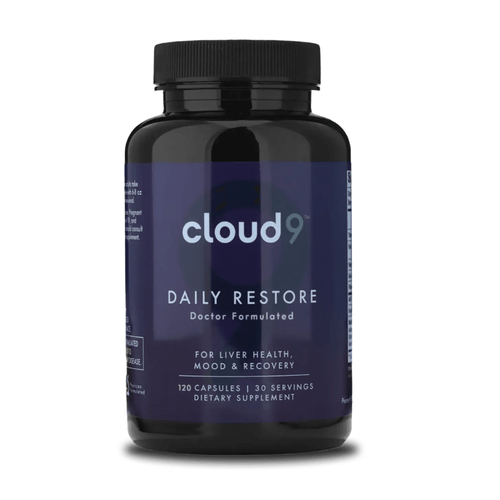
Cloud9 Daily Restore combines NAC, DHM, milk thistle, B vitamins, and ashwagandha to help support the pathways alcohol can tax most. Two capsules daily, drinking or not.
NAC | DHM | Milk Thistle | B Vitamins | Ashwagandha
See How Daily Restore WorksThe Anatomy of a Healthy Liver vs. a Fatty Liver
What a Healthy Liver Looks Like
A healthy liver is smooth, reddish-brown, and weighs about three pounds. Under a microscope, healthy liver cells (hepatocytes) are tightly packed and uniform, with minimal fat deposits. The organ efficiently filters about 1.4 liters of blood per minute, removing toxins and producing essential proteins without inflammation or scarring.
Healthy liver tissue is soft and pliable, with clear pathways for blood flow and bile drainage. The cells regenerate regularly, replacing damaged tissue and maintaining optimal function across all its complex processes.
How Fatty Liver Changes the Picture
In fatty liver disease, fat accumulates inside liver cells, causing them to swell and become stressed. When more than 5% of liver cells contain fat deposits, doctors diagnose fatty liver disease. The liver may become enlarged and take on a yellowish, greasy appearance.
Research indicates that this fat accumulation triggers inflammation in many cases, which can progress to more serious conditions if alcohol consumption continues. The liver becomes less efficient at filtering blood, producing proteins, and managing metabolism, though you may not notice symptoms for years.
The Stages of Alcohol-Related Liver Disease
Stage 1: Alcoholic Fatty Liver Disease (Steatosis)
This is the earliest and most reversible stage. Fat builds up in liver cells after just a few weeks of heavy drinking, or months of moderate drinking. The good news is that studies show this stage is usually reversible with 2-4 weeks of complete abstinence from alcohol.
Most people experience no symptoms at this stage. Your liver may be slightly enlarged, but blood tests might still appear normal or show only minor elevations in liver enzymes.
Stage 2: Alcoholic Hepatitis
Continued drinking leads to inflammation of the liver tissue. This can be mild or severe, and symptoms may include fatigue, nausea, abdominal pain, and jaundice (yellowing of skin and eyes). Blood tests typically show elevated liver enzymes and other markers of inflammation.
Alcoholic hepatitis requires immediate medical attention and complete alcohol cessation. Research suggests that with treatment and abstinence, the liver can still heal significantly, though recovery takes longer than with simple fatty liver.
Stage 3: Cirrhosis
After years of continued alcohol use, the liver develops permanent scarring (fibrosis) that eventually becomes cirrhosis. Scar tissue replaces healthy tissue, blocking blood flow and preventing the liver from functioning properly. This stage is largely irreversible, though stopping alcohol can prevent further damage.
Cirrhosis can lead to life-threatening complications including liver failure, internal bleeding, fluid accumulation, and increased cancer risk. At this point, a liver transplant may become necessary for survival.
Signs Your Liver Might Need Attention
Early Warning Signs
The tricky part about liver disease is that early stages often have no symptoms. However, some people notice subtle changes that might indicate their liver is under stress.
- Persistent fatigue that doesn't improve with rest
- Unexplained weight loss or loss of appetite
- Mild discomfort or fullness in the upper right abdomen
- Difficulty concentrating or mental fog
- Nausea, especially in the morning
More Advanced Symptoms
These symptoms suggest more significant liver damage and require immediate medical evaluation:
- Yellowing of the skin or whites of the eyes (jaundice)
- Dark urine or pale stools
- Swelling in the legs, ankles, or abdomen
- Easy bruising or bleeding
- Itchy skin without rash
- Confusion or changes in personality
The liver is one of the few organs that can regenerate itself. Even if up to 70% of liver tissue is damaged, the remaining healthy cells can multiply to restore function, provided the source of damage is removed and the liver hasn't progressed to cirrhosis.
Testing and Diagnosis: How Doctors Assess Liver Health
Blood Tests
Liver function tests measure enzymes and proteins that indicate how well your liver is working. Elevated levels of ALT, AST, ALP, or GGT can signal liver inflammation or damage. Your doctor may also check bilirubin levels, albumin, and prothrombin time to assess liver function comprehensively.
Research suggests that the AST/ALT ratio can help distinguish alcohol-related liver damage from other causes. In alcoholic liver disease, AST is typically higher than ALT, often in a 2:1 ratio or greater.
Imaging Studies
Ultrasound is usually the first imaging test, as it can detect fat accumulation and changes in liver size or texture. CT scans and MRIs provide more detailed images and can identify complications like cirrhosis or tumors.
FibroScan is a specialized ultrasound that measures liver stiffness, helping doctors assess the degree of scarring without a biopsy. Studies show this non-invasive test is highly accurate for detecting significant fibrosis and cirrhosis.
Liver Biopsy
In some cases, doctors may recommend a liver biopsy to definitively diagnose the type and extent of liver damage. A small tissue sample is examined under a microscope to assess fat accumulation, inflammation, and scarring.
While biopsies are considered the gold standard, they're typically reserved for unclear diagnoses or when treatment decisions depend on knowing the exact stage of disease.
Key Differences: Healthy Liver vs. Fatty Liver at a Glance
| Characteristic | Healthy Liver | Fatty Liver |
|---|---|---|
| Fat Content | Less than 5% of cells | More than 5% of cells |
| Appearance | Reddish-brown, smooth | Yellowish, enlarged, greasy |
| Inflammation | Minimal to none | Often present |
| Enzyme Levels | Normal range | May be elevated |
| Symptoms | None | Usually none (early stage) |
| Reversibility | Maintains health with proper care | Often reversible with abstinence |
| Function | Optimal performance | Reduced efficiency |
How to Support Your Liver's Recovery
The Most Important Step: Reducing or Eliminating Alcohol
Research consistently shows that stopping alcohol consumption is the single most effective way to reverse fatty liver disease and prevent progression. For many people with early-stage fatty liver, complete abstinence for 2-4 weeks can result in significant improvement, with liver cells beginning to shed accumulated fat.
If complete abstinence feels overwhelming, even reducing your alcohol intake can help slow disease progression and give your liver some relief. However, studies suggest that the best outcomes occur with total cessation, particularly if liver damage has progressed beyond simple fatty liver.
Nutrition and Diet
Your liver needs proper nutrition to repair and regenerate. A diet rich in whole foods, lean proteins, and plenty of vegetables supports liver health by reducing inflammation and providing essential nutrients for cellular repair.
- Focus on antioxidant-rich foods like berries, leafy greens, and cruciferous vegetables
- Include omega-3 fatty acids from fish, walnuts, and flaxseeds to reduce inflammation
- Limit added sugars and refined carbohydrates, which can worsen fatty liver
- Stay hydrated with water to help your liver flush toxins
- Consider coffee, as research suggests it may have protective effects on liver health
Exercise and Weight Management
Studies show that regular physical activity can help reduce liver fat, even without significant weight loss. Exercise improves insulin sensitivity and reduces inflammation, both of which benefit liver health.
If you're overweight, losing just 5-10% of your body weight can significantly improve fatty liver disease. Aim for gradual, sustainable weight loss through a combination of diet and exercise rather than crash dieting, which can actually stress the liver.
Medical Support and Monitoring
Work with your healthcare provider to monitor your liver health through regular blood tests and check-ups. They can track your progress, adjust treatment plans, and catch any complications early.
Your doctor may recommend supplements like vitamin E or medications to address specific concerns, though research on supplements for liver health is mixed. Never start supplements without medical guidance, as some can actually harm the liver in high doses.
How Daily Restore Supports Your Health
Understanding what your body needs is one thing. Getting consistent daily support is another. Daily Restore was designed to address the key pathways alcohol can stress most, in one simple daily formula.
NAC (N-Acetyl Cysteine)
Supports glutathione production and antioxidant defenses
DHM (Dihydromyricetin)
Supports alcohol metabolism
Milk Thistle (Silymarin)
Supports healthy liver function
B Vitamins
Help replenish nutrients involved in energy and metabolism
Ashwagandha
Supports stress resilience and healthy cortisol balance
Daily Restore is not a detox or a cure. It is a daily support formula designed for people who drink socially and want to give their body consistent, evidence-informed support.
Frequently Asked Questions
How long does it take for a fatty liver to return to normal?
The timeline varies depending on the severity of fat accumulation and lifestyle changes, but research suggests that simple fatty liver can improve within weeks to months of reducing alcohol intake and adopting healthier habits. More advanced stages may take longer and require medical supervision. Consistency with diet, exercise, and liver support is key to seeing meaningful improvement.
Can you reverse liver damage from alcohol?
Early-stage liver damage, such as fatty liver, is often reversible with sustained lifestyle changes including reducing or eliminating alcohol, eating a balanced diet, and supporting liver function. However, once significant scarring (cirrhosis) develops, the damage becomes largely irreversible, though progression can be slowed. Early intervention makes a significant difference in outcomes.
What are the first signs that alcohol is affecting your liver?
Early liver damage often develops silently without noticeable symptoms, which is why it's sometimes called a "silent disease." When symptoms do appear, they may include fatigue, mild abdominal discomfort in the upper right side, and unexplained weight changes. If you're concerned about your liver health, regular check-ups and liver function tests can catch problems before symptoms emerge.
Does drinking water help flush out a fatty liver?
While staying well-hydrated supports overall liver function and helps the body process toxins more efficiently, water alone won't reverse fatty liver. However, proper hydration is an important part of a comprehensive approach that includes reducing alcohol intake, eating nutrient-dense foods, exercising regularly, and supporting liver health with targeted nutrients. Think of hydration as one piece of the puzzle, not a standalone solution.
How much alcohol causes fatty liver?
The threshold varies from person to person based on factors like genetics, body weight, and overall health, but studies suggest that consuming more than 2-3 drinks per day over time can increase the risk of developing fatty liver. Even moderate drinking patterns can contribute to fat accumulation in some individuals. The safest approach is to be mindful of your consumption and give your liver regular breaks.
The Bottom Line
Your liver works tirelessly behind the scenes to keep your body functioning at its best, but chronic alcohol consumption can tip the balance from healthy to fatty liver faster than you might think. The good news is that early-stage fatty liver is often reversible with consistent lifestyle changes: reducing alcohol intake, eating whole foods, staying active, and supporting your liver with the right nutrients.
Small, sustainable habits matter more than dramatic overhauls. Whether you're looking to protect a healthy liver or support recovery from early-stage damage, daily consistency is your most powerful tool. That's where targeted supplementation can make a meaningful difference in your routine.
Cloud9's Daily Restore is formulated with ingredients like milk thistle, NAC, and B vitamins to support liver detoxification and cellular health. It's designed to complement the lifestyle changes that truly move the needle: better nutrition, regular movement, and mindful drinking habits. Think of it as part of your daily foundation, not a quick fix.
Taking care of your liver isn't about perfection. It's about showing up for yourself consistently, making informed choices, and giving your body the support it needs to do what it does best: heal, regenerate, and thrive.
Build Your Daily Support Routine
Build Your Daily Support Routine
If drinking is part of your lifestyle, your support routine should not be random. Daily Restore was designed to help social drinkers support liver health, antioxidant defenses, alcohol metabolism, nutrient replenishment, and daily recovery in one simple routine.
NAC
DHM
Milk Thistle
B Vitamins
Ashwagandha