

That glass of wine might help you relax after a stressful day, but have you noticed feeling more anxious the morning after? You're not imagining it. The relationship between alcohol and anxiety is more complicated than most people realize, and what starts as temporary relief can actually make anxiety worse over time.
If you've ever felt unusually jittery, worried, or on edge after drinking, or if you find yourself reaching for alcohol to calm your nerves, understanding this connection can change how you approach both your mental health and your relationship with drinking.
The science behind alcohol and anxiety reveals a cycle that affects millions of people, often without them realizing what's happening. Let's break down what's really going on in your brain and body.
Quick Take
- Alcohol temporarily reduces anxiety but disrupts brain chemistry in ways that increase anxious feelings during withdrawal and recovery
- Regular drinking can create a cycle where you need alcohol to feel calm, which actually worsens baseline anxiety levels
- "Hangxiety" is a real phenomenon caused by your nervous system rebounding from alcohol's depressant effects
- People with anxiety disorders are two to three times more likely to struggle with alcohol dependence
- Reducing or eliminating alcohol often leads to significant improvements in anxiety symptoms within weeks
Why Alcohol Feels Like It Helps (But Actually Doesn't)
When you take that first sip, alcohol quickly enhances the effects of GABA, a neurotransmitter that calms neural activity in your brain. At the same time, it suppresses glutamate, which is responsible for excitability. This chemical shift is why you feel more relaxed, social, and less worried within minutes of drinking.
But here's the problem: your brain is constantly working to maintain balance. When you regularly introduce a depressant like alcohol, your brain compensates by reducing its own production of calming chemicals and increasing excitatory ones. Research suggests this adaptation happens faster than most people realize, sometimes within just a few drinking sessions.
The result? You need more alcohol to achieve the same calming effect, and when the alcohol wears off, you're left with a brain that's chemically primed for anxiety. Your nervous system rebounds in the opposite direction, leaving you feeling more anxious than you did before you started drinking.
Daily Support for Social Drinkers
Your liver works hard every day. Give it consistent support.
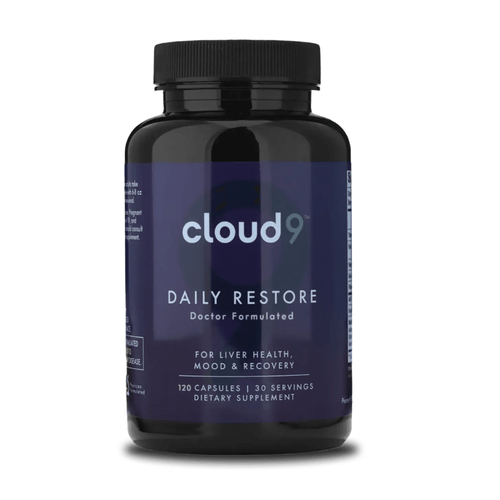
Cloud9 Daily Restore combines NAC, DHM, milk thistle, B vitamins, and ashwagandha to help support the pathways alcohol can tax most. Four capsules daily, drinking or not.
NAC | DHM | Milk Thistle | B Vitamins | Ashwagandha
See How Daily Restore WorksThe Science Behind "Hangxiety"
If you've ever woken up after drinking with a sense of dread, racing thoughts, or unexplained worry about things you said or did, you've experienced what many people call "hangxiety." This isn't just psychological; it's a direct result of how alcohol affects your brain chemistry.
What Happens During Alcohol Withdrawal
Even after a single night of drinking, your body goes through a mini-withdrawal process as it eliminates alcohol from your system. During this time, your brain is flooded with stress hormones like cortisol and adrenaline. Your heart rate may increase, your sleep quality tanks, and your threat-detection systems go into overdrive.
Studies show that alcohol significantly disrupts REM sleep, the stage crucial for emotional processing and memory consolidation. Without adequate REM sleep, your brain struggles to regulate emotions effectively, making you more vulnerable to anxious thoughts and feelings the next day.
The Rebound Effect Timeline
Understanding when anxiety peaks after drinking can help you recognize the pattern:
- 6-12 hours after drinking: Initial withdrawal begins as blood alcohol level drops, often disrupting sleep
- 12-24 hours: Peak hangxiety period, with heightened cortisol, poor sleep recovery, and maximum neurotransmitter imbalance
- 24-48 hours: Gradual improvement as brain chemistry begins to stabilize, though some people experience lingering effects
- 72+ hours: For regular drinkers, baseline anxiety may remain elevated even between drinking sessions
The Vicious Cycle: Using Alcohol to Manage Anxiety
One of the most troubling aspects of the alcohol-anxiety connection is how easily it becomes self-reinforcing. When you experience anxiety (whether related to previous drinking or not), alcohol offers immediate, reliable relief. This creates a powerful psychological and chemical loop.
How the Cycle Works
The pattern often develops gradually and can be hard to recognize from the inside. You might start by having a drink to unwind after stressful days, then find yourself reaching for alcohol more frequently as baseline anxiety increases.
| Stage | What's Happening | The Trap |
|---|---|---|
| Initial Relief | Alcohol quickly reduces anxious feelings and physical tension | Brain learns to associate alcohol with anxiety relief |
| Rebound Anxiety | Next-day anxiety is worse than before drinking | Increased anxiety feels like a new problem, not a consequence |
| Increased Use | More frequent drinking to manage elevated baseline anxiety | Brain chemistry adapts, requiring more alcohol for same effect |
| Dependence | Anxiety spikes whenever alcohol wears off | Can't feel calm without alcohol; severe anxiety between drinks |
Warning Signs You're in the Cycle
- You feel more anxious overall compared to before you started drinking regularly
- You plan your schedule around when you can drink to manage stress
- You experience physical anxiety symptoms (racing heart, shakiness) that improve with alcohol
- You feel uncomfortable or anxious in social situations unless alcohol is available
- You notice increased worry, rumination, or panic symptoms on days after drinking
- You've tried to cut back but find yourself more anxious when you don't drink
The paradox of using alcohol for anxiety is that it works brilliantly in the short term but fails catastrophically in the long term. Each drink provides temporary relief while simultaneously deepening the very problem you're trying to solve.
Who's Most at Risk?
While anyone can develop anxiety problems related to drinking, certain factors make some people more vulnerable to this cycle. Understanding your risk can help you make more informed decisions about alcohol use.
Genetic and Biological Factors
Research suggests that some people are genetically predisposed to both anxiety disorders and alcohol dependence. If you have a family history of either condition, you may be more susceptible to the anxiety-alcohol cycle. Additionally, people who naturally have lower levels of GABA or higher baseline cortisol may experience more pronounced relief from alcohol, making it more reinforcing.
Individual differences in how quickly your body metabolizes alcohol also play a role. Slower metabolizers may experience longer periods of withdrawal and rebound anxiety, while faster metabolizers might go through more frequent cycles of relief and anxiety.
Pre-Existing Anxiety Conditions
If you already struggle with generalized anxiety disorder, social anxiety, panic disorder, or PTSD, you're at significantly higher risk of developing problematic drinking patterns. Studies show that people with anxiety disorders are two to three times more likely to have alcohol use disorder compared to the general population.
The challenge is that alcohol often works better than anxiety in social situations or during panic episodes, at least initially. This immediate effectiveness can overshadow concerns about long-term consequences, especially when other anxiety management strategies feel slower or less reliable.
Life Circumstances and Stress
High-stress periods, major life transitions, trauma, and chronic stress all increase vulnerability to using alcohol as an anxiety management tool. When you're overwhelmed and exhausted, the quick fix of a drink becomes increasingly appealing compared to longer-term strategies like therapy, exercise, or stress reduction.
Breaking the Cycle: What Actually Helps
The good news is that reducing or eliminating alcohol often leads to significant improvements in anxiety levels, sometimes within just a few weeks. However, the transition period can be challenging, especially if you've been relying on alcohol to manage anxious feelings.
What to Expect When You Cut Back
If you've been drinking regularly, your anxiety may initially get worse before it gets better. This is normal and temporary. Your brain needs time to recalibrate its neurotransmitter systems and restore natural balance.
- Week 1-2: Potential increase in anxiety symptoms as your brain adjusts; sleep may be disrupted but will start improving
- Week 3-4: Many people notice significant reductions in baseline anxiety and better emotional stability
- Month 2-3: Continued improvements in sleep quality, stress resilience, and overall mood regulation
- Month 3+: Most people report feeling calmer and more equipped to handle stress than they did while drinking
Alternative Anxiety Management Strategies
Replacing the alcohol habit with effective anxiety management tools is crucial for long-term success. The key is finding strategies that work for your specific situation and sticking with them long enough to see results.
- Cognitive behavioral therapy (CBT): Proven effective for both anxiety and alcohol reduction, helping you identify and change thought patterns
- Mindfulness and meditation: Can reduce anxiety symptoms and increase stress tolerance without chemical intervention
- Regular exercise: Naturally boosts GABA and endorphins while reducing cortisol over time
- Sleep optimization: Improving sleep quality directly impacts anxiety levels and emotional regulation
- Social connection: Building relationships and activities that don't center on drinking
- Breathing techniques: Immediate anxiety relief through vagus nerve stimulation and parasympathetic activation
When to Seek Professional Help
If you're experiencing severe anxiety when you try to cut back on drinking, or if you've been using alcohol daily to manage anxious feelings, professional support can make a significant difference. A healthcare provider can help you safely reduce alcohol use while managing withdrawal symptoms and providing evidence-based anxiety treatment.
You don't have to choose between unbearable anxiety and continued drinking. With the right support and strategies, it's possible to break the cycle and develop healthier ways to manage both your mental health and your relationship with alcohol.
How Daily Restore Supports Your Health
Understanding what your body needs is one thing. Getting consistent daily support is another. Daily Restore was designed to address the key pathways alcohol can stress most, in one simple daily formula.
NAC (N-Acetyl Cysteine)
Supports glutathione production and antioxidant defenses
DHM (Dihydromyricetin)
Supports alcohol metabolism
Milk Thistle (Silymarin)
Supports healthy liver function
B Vitamins
Help replenish nutrients involved in energy and metabolism
Ashwagandha
Supports stress resilience and healthy cortisol balance
Daily Restore is not a detox or a cure. It is a daily support formula designed for people who drink socially and want to give their body consistent, evidence-informed support.
Frequently Asked Questions
Can alcohol really cause anxiety, or does it just make existing anxiety worse?
Alcohol can do both. For people with existing anxiety, drinking often amplifies symptoms, especially during withdrawal periods. However, regular alcohol use can also create new anxiety in people who never experienced it before by disrupting brain chemistry and stress hormone regulation.
How long does alcohol-related anxiety last after quitting drinking?
The timeline varies based on drinking patterns and individual factors. Acute anxiety from withdrawal typically peaks within the first few days and may improve within one to two weeks. However, some people experience lingering anxiety for several weeks or months as their brain chemistry rebalances, which is why ongoing support can be helpful during this transition.
Is it safe to stop drinking cold turkey if I have anxiety?
If you've been drinking heavily or regularly for an extended period, it's important to consult with a healthcare provider before stopping completely. Alcohol withdrawal can cause serious complications in some cases, and a medical professional can help you create a safe plan that addresses both the physical aspects of withdrawal and your anxiety symptoms.
What are some immediate strategies to manage anxiety without alcohol?
Several techniques can help in the moment: deep breathing exercises, progressive muscle relaxation, going for a walk, or calling a trusted friend. Building a toolkit of healthy coping mechanisms takes practice, but research suggests these strategies become more effective over time as your brain adapts to managing stress without alcohol.
Can supplements really help with alcohol-related anxiety?
While supplements aren't a cure-all, certain nutrients can support your body's natural stress response and recovery processes. Research suggests that ingredients like magnesium, B vitamins, and adaptogenic herbs may help promote a sense of calm and support neurotransmitter balance, especially when combined with other healthy lifestyle changes.
The Bottom Line
The relationship between alcohol and anxiety is more complex than many people realize. While drinking might seem to offer temporary relief, it often creates a cycle that makes anxiety worse over time by disrupting your brain chemistry, sleep quality, and stress response systems.
Breaking free from this cycle takes time and support, but the good news is that your brain has a remarkable ability to heal and rebalance. Whether you're cutting back, taking a break, or quitting entirely, having the right tools can make the journey more manageable.
That's where Cloud9 Daily Restore comes in. Formulated with ingredients like magnesium, ashwagandha, and B vitamins, Daily Restore is designed to support your body's natural stress response and help promote a sense of calm as part of your daily routine. It's not a quick fix, but rather a consistent way to nourish your system during recovery and beyond.
Remember, managing anxiety without alcohol is a practice, not perfection. With patience, the right support, and small consistent steps, you can build a healthier relationship with both your mental wellbeing and alcohol. Your future self will thank you for starting today.
Build Your Daily Support Routine
Build Your Daily Support Routine
If drinking is part of your lifestyle, your support routine should not be random. Daily Restore was designed to help social drinkers support liver health, antioxidant defenses, alcohol metabolism, nutrient replenishment, and daily recovery in one simple routine.
NAC
DHM
Milk Thistle
B Vitamins
Ashwagandha