

If you've noticed that your body feels heavier after a night out during winter, you're not imagining things. The combination of colder weather, shorter days, and seasonal changes in your metabolism can significantly impact how your body processes alcohol, and women's bodies are especially affected.
Understanding why recovery slows down in winter isn't just about feeling better the morning after. It's about protecting your overall wellness during a season when your body is already working harder to stay balanced.
Let's explore the science behind winter alcohol recovery and what you can do to support your body through the colder months.
Quick Take
- Women metabolize alcohol differently than men due to lower levels of alcohol dehydrogenase enzyme and higher body fat percentages
- Winter dehydration is more common than you think, slowing your liver's ability to process toxins efficiently
- Reduced sunlight exposure in winter affects vitamin D levels, which plays a role in liver function and inflammation response
- Cold weather causes blood vessels to constrict, potentially slowing the metabolism and elimination of alcohol byproducts
- Supporting your body with targeted nutrients and hydration strategies can help minimize seasonal recovery challenges
Why Women's Bodies Process Alcohol Differently Year-Round
Before we dive into winter-specific factors, it's important to understand that women's bodies handle alcohol differently than men's regardless of the season. Women typically have lower levels of alcohol dehydrogenase, the enzyme responsible for breaking down alcohol in the stomach before it enters the bloodstream. This means more alcohol reaches your liver in its original form.
Women also tend to have a higher percentage of body fat and lower percentage of water compared to men of similar weight. Since alcohol distributes itself in body water, this means the same amount of alcohol becomes more concentrated in a woman's system. Research suggests this is why women often experience stronger effects from the same number of drinks.
Hormonal fluctuations throughout the menstrual cycle can further affect how quickly your body processes alcohol. During certain phases of your cycle, you may find that alcohol affects you more intensely or that recovery takes longer.
Daily Support for Social Drinkers
Your liver works hard every day. Give it consistent support.
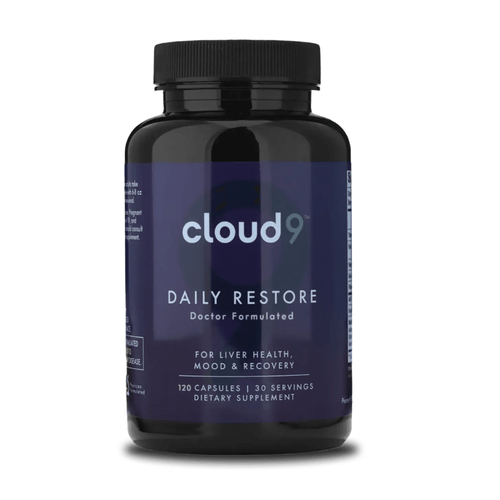
Cloud9 Daily Restore combines NAC, DHM, milk thistle, B vitamins, and ashwagandha to help support the pathways alcohol can tax most. Two capsules daily, drinking or not.
NAC | DHM | Milk Thistle | B Vitamins | Ashwagandha
See How Daily Restore WorksThe Winter Factor: How Cold Weather Slows Recovery
Dehydration Hiding in Plain Sight
Winter dehydration is one of the most overlooked factors in slower alcohol recovery. While you might be hyperaware of hydration needs in summer, winter's dry air, indoor heating, and reduced thirst signals can leave you chronically under-hydrated without realizing it. When you're already starting from a deficit, adding alcohol to the mix puts extra strain on your liver.
Your liver needs adequate water to efficiently process and eliminate alcohol metabolites. Studies show that even mild dehydration can slow metabolic processes by up to 3%. In winter, you're fighting an uphill battle before you even take your first sip.
Vitamin D Deficiency and Liver Function
Shorter days and less sun exposure during winter months can lead to reduced vitamin D levels in many women. Research suggests that vitamin D plays a role in liver health and the body's inflammatory response. When your vitamin D stores are low, your liver may not function at its optimal capacity.
This seasonal vitamin deficiency can compound the stress that alcohol places on your system. Your body's ability to manage inflammation and oxidative stress from alcohol metabolism may be compromised when you're not getting enough sunlight.

Reduced Circulation and Metabolism
Cold weather triggers your body to conserve heat by constricting blood vessels, particularly in your extremities. This vasoconstriction can affect overall circulation and may slow your metabolic rate. When your metabolism is running slower, everything from digestion to toxin elimination takes longer.
Your body is also burning more energy just to maintain core temperature in winter. This additional metabolic demand means fewer resources are available for processing and recovering from alcohol consumption.
Seasonal Lifestyle Factors That Impact Recovery
The Holiday Effect
Winter often brings a cascade of social events, holiday celebrations, and increased alcohol consumption. The cumulative effect of drinking more frequently, even in moderate amounts, can overtax your liver's recovery capacity. Your body needs time between drinking occasions to fully restore glutathione levels and repair cellular damage.
When celebrations stack up week after week, you may never fully recover before the next event. This creates a cycle where you're constantly playing catch-up with your body's detoxification systems.
Changes in Sleep Patterns
Winter's longer nights can disrupt your circadian rhythm, and alcohol compounds these sleep disturbances. Your body does most of its repair and recovery work during deep sleep stages. When alcohol fragments your sleep architecture, you miss out on crucial restoration time.
Research suggests that even one night of disrupted sleep can affect liver function and inflammatory markers for several days afterward. Combined with winter's natural tendency toward irregular sleep schedules, this creates a perfect storm for slower recovery.
Your liver doesn't take a holiday just because it's winter. In fact, the combination of seasonal stress, reduced hydration, and increased social drinking means it's working overtime when it has fewer resources to draw from.
Women's Wellness Tips to Support Winter Recovery
Strategic Hydration Protocol
Supporting your body through winter drinking requires a more intentional approach to hydration. Don't wait until you feel thirsty, because winter often suppresses those signals. Instead, create a structured hydration routine.
- Start your day with 16 ounces of water before coffee or tea
- Drink one full glass of water between each alcoholic beverage
- Add electrolytes to your water, especially before and after drinking occasions
- Keep a water bottle at your desk and set hourly hydration reminders
- Consume hydrating foods like soups, broths, and water-rich vegetables
Nutrient Support Strategies
Your body needs specific nutrients to efficiently process alcohol and support liver function. Winter is the perfect time to be more intentional about these nutritional building blocks.
| Nutrient | Why It Matters | Winter Sources |
|---|---|---|
| B Vitamins | Support energy metabolism and liver detoxification pathways | Leafy greens, eggs, salmon, fortified grains |
| Vitamin D | Supports liver function and immune response | Fatty fish, egg yolks, fortified dairy, supplementation |
| Glutathione Precursors | Your liver's master antioxidant for processing toxins | Cruciferous vegetables, garlic, onions, quality protein |
| Magnesium | Supports over 300 enzymatic processes including alcohol metabolism | Pumpkin seeds, dark chocolate, spinach, almonds |
| Vitamin C | Protects against oxidative stress from alcohol | Citrus fruits, bell peppers, Brussels sprouts, kiwi |
Timing Your Support
When you support your body matters almost as much as how you support it. Research suggests that proactive support can make a significant difference in how you feel the next day.
Before drinking, eat a balanced meal with healthy fats, protein, and complex carbohydrates. This slows alcohol absorption and gives your liver a steadier workload. After your last drink, focus on rehydration and replenishing electrolytes before bed, even if you're tired.
Movement and Circulation
Winter's cold weather often means less movement, but gentle activity can support your recovery process. Light exercise increases circulation, which helps your body eliminate metabolic waste products more efficiently. You don't need an intense workout, just intentional movement.
- Take a 20-minute walk in natural light the morning after drinking
- Try gentle yoga or stretching to support lymphatic drainage
- Use a sauna if available to support sweating and circulation (only when well-hydrated)
- Avoid intense exercise until you're fully rehydrated and recovered
Creating Your Winter Wellness Baseline
The Foundation Matters
Your ability to recover from alcohol in winter depends heavily on the baseline health you've established. Think of your wellness practices as building a reserve that your body can draw from when needed. The stronger your foundation, the more resilient your recovery.
This means prioritizing consistent sleep schedules, managing stress through practices like meditation or journaling, and maintaining steady blood sugar levels with regular, balanced meals. These aren't just nice-to-haves; they're essential components of your body's ability to bounce back.
Know Your Personal Limits
Everyone's tolerance and recovery capacity is different, and these can shift with the seasons. Pay attention to how your body responds during winter months. You might notice that your usual two glasses of wine hit differently in January than they did in July.
There's no shame in adjusting your consumption based on how you feel. In fact, tuning into these signals and honoring them is one of the most important women's wellness tips for any season. Your body is giving you information; the key is learning to listen.
How Daily Restore Supports Your Health
Understanding what your body needs is one thing. Getting consistent daily support is another. Daily Restore was designed to address the key pathways alcohol can stress most, in one simple daily formula.
NAC (N-Acetyl Cysteine)
Supports glutathione production and antioxidant defenses
DHM (Dihydromyricetin)
Supports alcohol metabolism
Milk Thistle (Silymarin)
Supports healthy liver function
B Vitamins
Help replenish nutrients involved in energy and metabolism
Ashwagandha
Supports stress resilience and healthy cortisol balance
Daily Restore is not a detox or a cure. It is a daily support formula designed for people who drink socially and want to give their body consistent, evidence-informed support.
Frequently Asked Questions
Why does alcohol affect women differently than men?
Women typically have a higher body fat percentage and lower water content than men, which means alcohol becomes more concentrated in the bloodstream. Additionally, women produce less of the enzyme that breaks down alcohol in the stomach, so more alcohol enters the bloodstream before being metabolized. These biological differences can make the effects of alcohol more pronounced and recovery slower for women.
Does drinking water before bed really help with recovery?
Hydration can help support your body's natural recovery processes, though it won't completely prevent the effects of alcohol. Alcohol is a diuretic that causes fluid loss, so replenishing water can help address some of the dehydration-related symptoms. For best results, alternate alcoholic drinks with water throughout the evening rather than trying to catch up at bedtime.
How long does it take for the body to fully recover from alcohol?
Recovery time varies based on factors like the amount consumed, your metabolism, hydration status, and overall health. While your liver processes alcohol at a relatively steady rate (about one standard drink per hour), full recovery of energy levels, mental clarity, and cellular function can take 24 to 48 hours or longer. Winter conditions may extend this timeline due to reduced circulation, lower vitamin D levels, and increased immune system demands.
Can supplements really support liver health?
Research suggests certain nutrients like milk thistle, NAC, and B vitamins may support the liver's natural detoxification pathways and help protect liver cells from oxidative stress. While supplements aren't a cure or a license to drink excessively, they can complement a healthy lifestyle by providing your body with the building blocks it needs for optimal liver function. Consistent daily support is more effective than occasional use.
Should I be more careful with alcohol during my menstrual cycle?
Hormonal fluctuations throughout your cycle can affect how your body processes alcohol. Some women find they're more sensitive to alcohol's effects during certain phases, particularly in the luteal phase (the two weeks before menstruation) when progesterone levels are higher. Paying attention to how you feel during different times of the month can help you make more informed choices about when and how much to drink.
The Bottom Line
Winter creates a perfect storm of conditions that can slow down alcohol recovery in women: reduced circulation, lower vitamin D levels, dehydration from indoor heating, increased immune system demands, and hormonal fluctuations all working together. Understanding these factors helps you make informed choices and take proactive steps to support your body during the colder months.
The good news is that small, consistent changes can make a real difference. Staying hydrated, maintaining your vitamin D levels, eating nutrient-dense foods, moving your body regularly, and being mindful of your drinking patterns all contribute to better recovery and overall wellness. You don't have to be perfect, you just need to be intentional about supporting your body's natural processes.
Cloud9's Daily Restore is designed to provide consistent support for your liver and cellular health with a carefully balanced blend of milk thistle, NAC, DHM, B vitamins, and electrolytes. Rather than waiting until you feel off to take action, incorporating Daily Restore into your routine gives your body the nutrients it needs to function optimally every day, especially during the challenging winter months.
Taking care of yourself isn't about restriction or perfection. It's about giving your body what it needs to feel good, recover well, and show up as your best self, whether you're enjoying a glass of wine with friends or simply navigating the demands of daily life in winter.
Build Your Daily Support Routine
Build Your Daily Support Routine
If drinking is part of your lifestyle, your support routine should not be random. Daily Restore was designed to help social drinkers support liver health, antioxidant defenses, alcohol metabolism, nutrient replenishment, and daily recovery in one simple routine.
NAC
DHM
Milk Thistle
B Vitamins
Ashwagandha