

You've probably noticed that alcohol affects you differently now than it did in your twenties. That glass of wine that used to help you unwind might leave you feeling foggy the next morning, or you might find yourself reaching for your third coffee just to push through the day after a night out.
If you're a woman over 35, these changes aren't just in your head. Your liver is working harder than ever, and the way your body processes alcohol has fundamentally shifted. Understanding why this happens can help you make choices that support your health without giving up the social moments you enjoy.
The good news? Small, informed changes to how you approach drinking can make a significant difference in how you feel, both immediately and long-term.
Quick Take
- Women's livers process alcohol differently than men's, with metabolism slowing significantly after age 35 due to hormonal changes
- Estrogen fluctuations can make your liver more vulnerable to alcohol-related stress and inflammation
- The same amount of alcohol that felt manageable in your twenties may now take 20-30% longer for your body to clear
- Supporting liver health becomes essential for maintaining energy, mental clarity, and overall wellness as you age
- Strategic hydration, targeted nutrients, and timing adjustments can help protect your liver while still enjoying social drinks
What Changes in Your Liver After 35
Your liver performs over 500 functions in your body, but its role in processing alcohol becomes more complex as you enter your mid-thirties. Research suggests that liver enzyme production begins to decline gradually after age 35, which directly impacts how efficiently your body can break down alcohol.
At the same time, your body composition naturally shifts. Women typically experience an increase in body fat percentage and a decrease in water content starting in their mid-thirties. Since alcohol disperses through water in your body, having less water means higher blood alcohol concentrations from the same amount of drinking.
These changes happen whether you drink regularly or occasionally. Your liver doesn't get a pass just because you only have wine on weekends. Every drink requires the same metabolic work, and that work gets harder as your body's resources shift.
Daily Support for Social Drinkers
Your liver works hard every day. Give it consistent support.
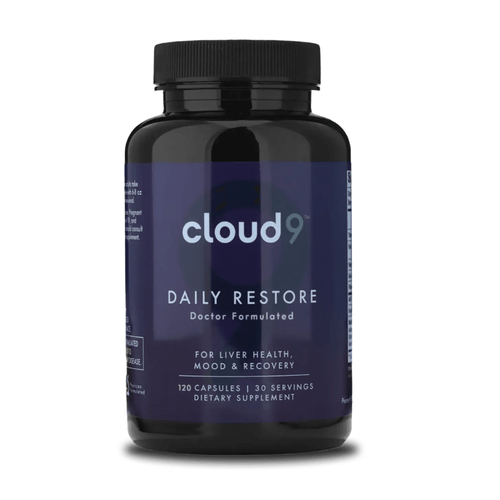
Cloud9 Daily Restore combines NAC, DHM, milk thistle, B vitamins, and ashwagandha to help support the pathways alcohol can tax most. Two capsules daily, drinking or not.
NAC | DHM | Milk Thistle | B Vitamins | Ashwagandha
See How Daily Restore WorksThe Estrogen Connection You Need to Know About
Hormones play a more significant role in liver health than most women realize. As you move through your late thirties and into perimenopause, estrogen levels begin their gradual decline, and these fluctuations directly affect how your liver functions.
How Hormonal Changes Impact Alcohol Processing
Estrogen influences the production of enzymes that break down alcohol in your liver. When estrogen levels fluctuate unpredictably, as they do during perimenopause, your liver's ability to process alcohol becomes less consistent. You might tolerate a drink well one week and feel significantly worse from the same amount the next.
Studies show that women with lower estrogen levels may experience increased liver inflammation when drinking. This isn't about drinking excessively, it's about how your changing hormonal landscape affects your body's basic metabolic processes.
The Inflammation Factor
Your liver's primary job when you drink is to convert alcohol into less harmful substances your body can eliminate. This process naturally creates oxidative stress and inflammation. When you're younger, your body's antioxidant systems can usually keep up with this stress.
After 35, especially as hormones shift, your natural anti-inflammatory resources may not be as robust. This means even moderate drinking can create a cumulative inflammatory burden that affects not just your liver, but your energy levels, skin health, sleep quality, and mental clarity.
Why the Same Amount of Alcohol Hits Differently Now
If you've noticed that two glasses of wine affect you more strongly than they used to, you're experiencing a real physiological shift. Several factors combine to make alcohol more potent after 35.
Slower Metabolism Means Longer Exposure
Your liver can only process about one standard drink per hour, but this rate slows as you age. Research suggests that alcohol metabolism can decrease by 20-30% between your twenties and your forties. This means alcohol stays in your system longer, giving it more time to affect your body and brain.
That extra time in your system translates to prolonged impacts on sleep architecture, blood sugar regulation, and cognitive function. The "hangover" you experience isn't just about dehydration, it's about your body working overtime to clear substances it once processed more efficiently.
Medication Interactions Become More Common
By your mid-thirties, you're statistically more likely to take regular medications, whether for allergies, blood pressure, thyroid function, or mental health. Many common medications interact with alcohol, and your liver has to process both simultaneously.
Even supplements and over-the-counter medications add to your liver's workload. When you add alcohol to the mix, you're asking your liver to juggle multiple metabolic tasks at once, which can strain its capacity and slow down all its functions.
| Age Range | Average Alcohol Processing Rate | Key Changes |
|---|---|---|
| 20-30 | 1 drink per hour | Peak enzyme production, optimal hydration |
| 35-45 | 0.7-0.8 drinks per hour | Declining enzymes, hormonal shifts, lower body water |
| 45-55 | 0.6-0.7 drinks per hour | Significant enzyme reduction, perimenopausal changes |
| 55+ | 0.5-0.6 drinks per hour | Reduced liver mass, medication interactions more common |
Signs Your Liver Needs More Support
Your body sends clear signals when your liver is struggling with alcohol processing. Learning to recognize these signs can help you adjust your habits before minor issues become serious concerns.
Immediate Signs After Drinking
- Brain fog or difficulty concentrating that lasts into the next afternoon
- Disrupted sleep patterns, especially waking between 2-4 AM
- Stronger hangovers from smaller amounts of alcohol
- Digestive discomfort, bloating, or changes in appetite
- Skin changes, including increased redness, puffiness, or breakouts
- Heightened anxiety or mood swings the day after drinking
Longer-Term Indicators
Beyond the immediate effects, chronic stress on your liver from regular alcohol consumption can show up in subtler ways. Persistent fatigue that doesn't improve with sleep, unexplained weight changes, or difficulty losing weight despite healthy habits can all indicate liver stress.
Changes in your skin tone, particularly a yellowish tint or persistent dark circles, may signal that your liver isn't processing toxins efficiently. Unusual bruising, itchy skin, or small red spots on your skin can also be early warning signs worth discussing with your healthcare provider.
The relationship between your liver and how you feel daily is stronger than most people realize. When your liver is burdened by alcohol processing, especially after 35, it has less capacity to perform its other essential functions, from hormone regulation to blood sugar balance. Supporting your liver isn't just about preventing disease, it's about feeling energized and clear-headed every day.
Practical Strategies to Protect Your Liver While Drinking
You don't necessarily have to give up alcohol completely to support your liver health. Strategic approaches can help minimize the burden on your liver while still allowing you to enjoy social occasions.
Timing and Spacing Matter
The pattern of your drinking matters as much as the amount. Your liver needs recovery time between drinking occasions to repair cellular damage and replenish its antioxidant reserves. Research suggests that spacing drinks at least two to three days apart gives your liver adequate recovery time.
When you do drink, pace yourself intentionally. Alternating alcoholic drinks with water or other non-alcoholic beverages gives your liver time to process alcohol as you go, rather than overwhelming it all at once. This simple strategy can significantly reduce the next-day effects you experience.
Hydration Is Non-Negotiable
Your liver needs water to process alcohol efficiently. Dehydration slows every metabolic function, including alcohol breakdown. Aim to drink at least 8-10 ounces of water before you start drinking, between each alcoholic beverage, and before bed.
Consider adding electrolytes to your water, especially if you're drinking wine or cocktails. Alcohol depletes essential minerals like potassium and magnesium, which your liver needs to function optimally. Replacing these proactively can help reduce both immediate and next-day symptoms.
What You Eat Makes a Difference
Never drink on an empty stomach, especially after 35. Food slows alcohol absorption and gives your liver a steadier, more manageable workload. Protein and healthy fats are particularly helpful because they take longer to digest, providing sustained buffering against alcohol's effects.
Before and while drinking, choose foods rich in antioxidants and liver-supporting nutrients:
- Leafy greens like spinach and kale, which provide glutathione precursors
- Cruciferous vegetables like broccoli and Brussels sprouts that support detoxification pathways
- Healthy fats from avocado, nuts, or olive oil to slow alcohol absorption
- Protein sources that provide amino acids your liver needs for enzyme production
- Berries and colorful vegetables rich in antioxidants to combat oxidative stress
Strategic Nutrient Support
Certain nutrients can support your liver's natural detoxification processes. While no supplement can undo the effects of excessive drinking, targeted nutrients may help your liver work more efficiently when you do choose to drink.
B vitamins, particularly B1, B6, and B12, support alcohol metabolism and can become depleted with regular drinking. Antioxidants like vitamin C and E help combat the oxidative stress that alcohol creates. Milk thistle has been studied for its potential to support liver cell regeneration and protect against toxin damage.
How Daily Restore Supports Your Health
Understanding what your body needs is one thing. Getting consistent daily support is another. Daily Restore was designed to address the key pathways alcohol can stress most, in one simple daily formula.
NAC (N-Acetyl Cysteine)
Supports glutathione production and antioxidant defenses
DHM (Dihydromyricetin)
Supports alcohol metabolism
Milk Thistle (Silymarin)
Supports healthy liver function
B Vitamins
Help replenish nutrients involved in energy and metabolism
Ashwagandha
Supports stress resilience and healthy cortisol balance
Daily Restore is not a detox or a cure. It is a daily support formula designed for people who drink socially and want to give their body consistent, evidence-informed support.
Frequently Asked Questions
Why does alcohol affect women differently than men?
Women typically have less body water and lower levels of the enzyme alcohol dehydrogenase, which breaks down alcohol in the stomach. This means alcohol becomes more concentrated in a woman's bloodstream, and the liver has to work harder to process it, even when drinking the same amount as a man of similar weight.
What are the early signs that my liver might need extra support?
Persistent fatigue, difficulty recovering after drinking, digestive issues, skin changes, and brain fog can all suggest your liver is working overtime. Many women over 35 notice they simply don't bounce back from a night out like they used to, which often reflects changing liver efficiency rather than just getting older.
Can liver supplements really make a difference if I still drink regularly?
Research suggests that certain nutrients like milk thistle, NAC, and B vitamins can support your liver's natural detoxification processes and help protect liver cells from oxidative stress. While supplements work best alongside moderation and healthy habits, they can provide meaningful daily support for liver function, especially when used consistently.
How much alcohol is considered safe for women over 35?
Current guidelines suggest no more than one standard drink per day for women, with several alcohol-free days each week. However, many experts now recommend even lower amounts for women over 35, particularly those experiencing perimenopause or with other health considerations, as individual tolerance and metabolism can vary significantly.
Is it too late to improve my liver health if I've been drinking regularly for years?
The liver has remarkable regenerative abilities, and studies show that reducing alcohol intake and supporting liver function can lead to measurable improvements in liver health relatively quickly. Starting a liver-supportive routine today, whether that includes targeted supplements, better hydration, or more alcohol-free days, can help protect your long-term health.
The Bottom Line
Your liver works around the clock to keep you healthy, and after 35, it deserves a little extra attention. Hormonal shifts, decreased enzyme production, and years of metabolic wear and tear mean that the same drinking habits that felt manageable in your twenties can take a much greater toll now. Recognizing this isn't about restriction or guilt, it's about making informed choices that support your long-term wellness.
The good news is that small, consistent changes can make a meaningful difference. Moderating your alcohol intake, staying hydrated, eating nutrient-dense foods, and giving your liver the daily support it needs can help you feel better now and protect your health for years to come. Many women find that when they start prioritizing liver health, they notice improvements in energy, digestion, skin clarity, and overall vitality.
This is where Cloud9 Daily Restore fits naturally into your routine. Formulated specifically to support liver function with research-backed ingredients like milk thistle, NAC, and essential B vitamins, it's designed to work with your body's natural processes. Taking it daily, whether you're drinking that evening or not, helps provide consistent support for your liver's detoxification pathways and overall cellular health.
Your liver health matters more than ever after 35, and taking proactive steps today can help you continue enjoying life's moments while feeling your best. With the right knowledge, habits, and daily support, you can take charge of your wellness and give your liver the care it truly deserves.
Build Your Daily Support Routine
Build Your Daily Support Routine
If drinking is part of your lifestyle, your support routine should not be random. Daily Restore was designed to help social drinkers support liver health, antioxidant defenses, alcohol metabolism, nutrient replenishment, and daily recovery in one simple routine.
NAC
DHM
Milk Thistle
B Vitamins
Ashwagandha