

You know the feeling. Two glasses of red wine at dinner, and the next morning you wake up with a pounding headache, brain fog, and that peculiar full-body ache that white wine or beer just doesn't seem to trigger. It's not your imagination.
Red wine hangovers hit differently because of what's actually in your glass beyond the alcohol itself. From tannins to histamines to sulfites, red wine delivers a complex cocktail of compounds that can amplify hangover symptoms in ways that require targeted relief strategies.
Understanding why red wine creates such specific misery is the first step to preventing it or recovering faster when you've already overindulged.
Quick Take
- Red wine contains tannins, histamines, and sulfites that create unique hangover symptoms beyond standard alcohol dehydration
- Tannins can trigger headaches and digestive issues by affecting serotonin levels and gut inflammation
- Histamine intolerance from red wine causes flushing, congestion, and intensified headaches in many people
- Specific remedies like quercetin, vitamin C, and targeted hydration can address red wine's unique compounds
- Prevention strategies including wine selection and pacing make a measurable difference in how you feel the next day
The Science Behind Red Wine's Unique Hangover Profile
Red wine isn't just alcohol and grapes. The fermentation process and extended skin contact create a chemically complex beverage loaded with compounds that white wine, beer, and spirits simply don't contain in the same concentrations. These additional substances interact with your body in ways that can intensify standard hangover symptoms.
Research suggests that tannins, the polyphenolic compounds responsible for red wine's astringent mouthfeel, may trigger the release of serotonin at higher-than-normal levels. When serotonin floods your system and then drops, headaches often follow. Tannins can also irritate the gastrointestinal tract, leading to that queasy, unsettled stomach feeling that persists well into the next day.
Beyond tannins, red wine contains significantly higher levels of histamines compared to white wine or most other alcoholic beverages. For people with reduced histamine-processing capacity, this can trigger inflammation, congestion, skin flushing, and exacerbated headaches. Add in sulfites used as preservatives, and you've got a perfect storm of compounds that tax your body's detoxification systems.
Daily Support for Social Drinkers
Your liver works hard every day. Give it consistent support.
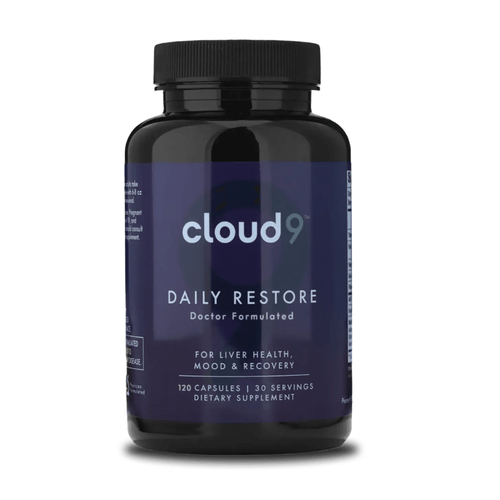
Cloud9 Daily Restore combines NAC, DHM, milk thistle, B vitamins, and ashwagandha to help support the pathways alcohol can tax most. Four capsules daily, drinking or not.
NAC | DHM | Milk Thistle | B Vitamins | Ashwagandha
See How Daily Restore WorksWhy Tannins Make Everything Worse
Tannins give red wine its structure and complexity, but they're also the primary culprit behind those distinctive red wine headaches. These plant compounds bind to proteins in your saliva and digestive tract, creating that dry, puckering sensation.
How Tannins Affect Your Body
When you consume tannins, your body responds with a cascade of reactions. They can increase prostaglandin production, which contributes to inflammation and pain sensitivity. For migraine-prone individuals, this mechanism can be particularly problematic.
Studies show that tannins also impact your gut microbiome and digestive enzyme function. This is why red wine hangovers often come with pronounced gastrointestinal distress that feels different from the nausea of other types of alcohol.
Tannin-Specific Remedies
- Take a quality probiotic before drinking to support gut barrier function
- Eat protein-rich foods while drinking red wine, as proteins bind to tannins and reduce their impact
- Consider taking quercetin supplements, which may help modulate the inflammatory response to tannins
- Drink mineral-rich water between glasses to support enzyme function and reduce irritation
- Opt for younger, lighter reds like Pinot Noir or Gamay, which contain fewer tannins than aged Cabernets or Syrahs
The Histamine Factor: Why Some People Suffer More
If you've noticed that red wine gives you a stuffy nose, flushed cheeks, or an immediate headache even before you're drunk, histamine intolerance might be your issue. Red wine contains up to 200 times more histamine than white wine due to the fermentation process and extended grape skin contact.
Understanding Histamine Response
Your body naturally produces an enzyme called diamine oxidase (DAO) that breaks down dietary histamine. However, alcohol itself inhibits DAO production, creating a double problem when you drink histamine-rich red wine. The histamine accumulates while your ability to process it decreases.
This explains why symptoms can intensify as the evening progresses and why they persist into the next day. Your system becomes overwhelmed trying to clear the histamine backlog while simultaneously processing alcohol and its metabolites.
Histamine-Targeted Solutions
- Take a DAO supplement 15-30 minutes before drinking red wine
- Vitamin C acts as a natural antihistamine and can reduce histamine-related symptoms
- Avoid combining red wine with other high-histamine foods like aged cheese, cured meats, or fermented foods
- Choose wines from cooler climates, which tend to have lower histamine levels
- Consider organic or low-sulfite wines, as sulfites can exacerbate histamine reactions
The combination of alcohol's dehydrating effects with red wine's specific compounds creates a hangover that feels qualitatively different. It's not just about how much you drank, but what else came along for the ride.
Sulfites and Congeners: The Supporting Cast
While tannins and histamines steal the spotlight, sulfites and congeners play important supporting roles in red wine hangovers. Sulfites, added as preservatives, can trigger sensitivity reactions in approximately 1% of the population, but may contribute to overall toxin load for many more.
The Congener Connection
Congeners are byproducts of fermentation that give wine its distinctive flavor and aroma. Red wines contain significantly more congeners than clear spirits like vodka. Research suggests that drinks with higher congener content generally produce worse hangovers because your liver must work harder to metabolize these additional compounds.
Dark, full-bodied reds like Malbec, Cabernet Sauvignon, and Shiraz contain the highest congener levels. This is why switching to a lighter red or a different type of alcohol entirely might dramatically improve how you feel the next day.
Minimizing Sulfite and Congener Impact
- Look for wines labeled "low sulfite" or "no added sulfites"
- Support your liver's detoxification pathways with N-acetylcysteine (NAC) before drinking
- Increase your intake of glutathione-supporting foods like cruciferous vegetables
- Alternate between water and wine at a 1:1 ratio to help your liver keep pace
- Choose organic wines when possible, as they typically contain fewer additives
Red Wine Hangover Remedies: A Targeted Approach
Generic hangover cures might help a little, but red wine hangovers respond best to targeted strategies that address the specific compounds involved. Here's what actually works based on the unique chemistry of red wine.
Before You Drink: Prevention Strategies
| Strategy | What It Does | Timing |
|---|---|---|
| DAO enzyme supplement | Helps break down histamines before they accumulate | 15-30 minutes before first glass |
| NAC (600-1200mg) | Supports liver glutathione production and detoxification | 30 minutes before drinking |
| Vitamin C (1000mg) | Acts as natural antihistamine and antioxidant | Before and during drinking |
| Protein-rich meal | Binds tannins and slows alcohol absorption | With or before wine consumption |
| Electrolyte water | Prevents dehydration and supports enzyme function | Throughout the evening |
The Morning After: Recovery Protocol
If prevention didn't happen or didn't work, a targeted recovery approach can significantly reduce the duration and intensity of red wine hangover symptoms. The key is addressing multiple pathways simultaneously.
Start with hydration, but make it strategic. Plain water helps, but adding electrolytes and a pinch of sea salt accelerates rehydration. Your body has been working overtime to process all those extra compounds, and it needs mineral support to recover efficiently.
Morning Recovery Checklist
- Immediate hydration: 16-24 ounces of electrolyte water with a squeeze of lemon upon waking
- Anti-inflammatory support: Quercetin or a curcumin supplement to reduce inflammation
- Vitamin B complex: Alcohol depletes B vitamins, which are essential for energy metabolism
- Gentle protein breakfast: Eggs with avocado provide amino acids for neurotransmitter repair
- Ginger or peppermint tea: Soothes tannin-irritated digestive tract
- Light movement: A 10-15 minute walk increases circulation and helps clear toxins
- Continued hydration: Aim for 8-12 ounces of water per hour throughout the day
What to Avoid
Not all common hangover remedies work well for red wine hangovers. Some can actually make things worse by adding to your body's processing burden or irritating an already inflamed system.
- Skip the "hair of the dog" approach, which only delays recovery and adds more toxins
- Avoid acidic foods like citrus juice on an empty stomach, which can aggravate tannin-irritated digestion
- Don't reach for NSAIDs like ibuprofen immediately, as they can further irritate your stomach lining
- Steer clear of heavy, greasy foods that tax your already-overworked liver
- Limit caffeine to a single cup, as it can worsen dehydration despite the temporary energy boost
Choosing Wines That Are Easier on Your System
Not all red wines are created equal when it comes to hangover potential. Understanding which varieties and production methods create fewer problems can help you make smarter choices without giving up red wine entirely.
Lower-Risk Red Wine Options
Lighter-bodied reds with shorter aging periods generally contain fewer tannins and congeners. Pinot Noir, Gamay, and certain Grenache-based wines tend to be gentler on your system while still delivering the red wine experience.
Organic and biodynamic wines often use fewer sulfites and additives, reducing your overall toxic load. Wines from cooler climates typically have lower histamine levels due to different fermentation conditions.
| Wine Type | Hangover Risk | Why |
|---|---|---|
| Pinot Noir | Lower | Thinner skin, fewer tannins, lighter body |
| Beaujolais (Gamay) | Lower | Carbonic maceration reduces tannin extraction |
| Organic/Biodynamic reds | Lower | Fewer sulfites and chemical additives |
| Cabernet Sauvignon | Higher | Thick skin, high tannins, often heavily oaked |
| Aged Malbec/Shiraz | Higher | High congener content, concentrated tannins |
| Bargain bulk wines | Higher | Often contain more additives and sulfites |
Drinking Habits That Make a Difference
How you drink matters as much as what you drink. Pacing yourself gives your body time to process each glass's compounds before the next wave arrives. The standard advice of one glass per hour isn't arbitrary, it matches your liver's processing capacity.
Eating while you drink serves multiple purposes. Food slows alcohol absorption, provides amino acids for neurotransmitter production, and in the case of protein, actively binds to tannins to reduce their impact. The Mediterranean tradition of never drinking wine without food has solid biochemical backing.
How Daily Restore Supports Your Health
Understanding what your body needs is one thing. Getting consistent daily support is another. Daily Restore was designed to address the key pathways alcohol can stress most, in one simple daily formula.
NAC (N-Acetyl Cysteine)
Supports glutathione production and antioxidant defenses
DHM (Dihydromyricetin)
Supports alcohol metabolism
Milk Thistle (Silymarin)
Supports healthy liver function
B Vitamins
Help replenish nutrients involved in energy and metabolism
Ashwagandha
Supports stress resilience and healthy cortisol balance
Daily Restore is not a detox or a cure. It is a daily support formula designed for people who drink socially and want to give their body consistent, evidence-informed support.
Frequently Asked Questions
Does the quality of red wine affect how bad the hangover is?
Higher quality wines may contain fewer additives and lower levels of certain congeners, which can make a difference in how you feel the next day. That said, alcohol content and individual tolerance still play significant roles, so even premium wines can lead to hangovers if consumed in excess.
Why do I get headaches specifically from red wine but not white wine?
Red wine contains higher levels of tannins, histamines, and tyramine, all of which can trigger headaches in sensitive individuals. The fermentation process for red wine also preserves more of these compounds compared to white wine, which may explain why your symptoms differ between the two.
Can taking antihistamines before drinking red wine prevent a hangover?
Some people find that antihistamines help reduce histamine-related symptoms like headaches and flushing. However, mixing antihistamines with alcohol can increase drowsiness and other side effects, so this approach should be discussed with a healthcare provider before trying it.
How much water should I drink to offset red wine consumption?
A good rule of thumb is to drink one glass of water for every glass of wine you consume. This helps counteract alcohol's dehydrating effects and may reduce the severity of hangover symptoms. Continuing to hydrate before bed and the next morning can provide additional support.
Are natural wines better for avoiding hangovers?
Natural wines typically contain fewer sulfites and additives, which may reduce certain hangover symptoms for some people. However, they still contain alcohol, tannins, and other compounds that contribute to hangovers, so moderation remains the most important factor regardless of wine type.
The Bottom Line
Red wine hangovers hit differently because of a unique combination of compounds, including tannins, histamines, tyramine, and congeners, that work alongside alcohol to intensify symptoms. Understanding these factors can help you make more informed choices about what you drink and how to support your body afterward.
The most effective approach combines smart prevention strategies with targeted recovery support. Staying hydrated, eating before and during drinking, and choosing lighter red wines can help minimize the initial impact. When symptoms do occur, replenishing key nutrients and supporting your liver's natural detoxification processes can make a meaningful difference in how quickly you bounce back.
Cloud9's Daily Restore is designed to support your body's recovery systems with ingredients like NAC, DHM, milk thistle, and B vitamins that address multiple aspects of alcohol metabolism and hangover symptoms. Taking it consistently as part of your daily routine can help prepare your system for occasional indulgences and provide the nutritional foundation your liver needs to function at its best.
Whether you're a red wine enthusiast or just enjoy an occasional glass, supporting your body with the right tools and habits can help you feel better the next day and maintain your wellness goals over time.
Build Your Daily Support Routine
Build Your Daily Support Routine
If drinking is part of your lifestyle, your support routine should not be random. Daily Restore was designed to help social drinkers support liver health, antioxidant defenses, alcohol metabolism, nutrient replenishment, and daily recovery in one simple routine.
NAC
DHM
Milk Thistle
B Vitamins
Ashwagandha