

The cocktail hour is changing. Across social media feeds, friend groups, and even happy hours, a quiet shift is happening: younger generations are rethinking their relationship with alcohol in ways their parents never did.
Millennials and Gen Z aren't just drinking less. They're approaching alcohol with intentionality, asking questions about how it fits into their wellness routines, mental health goals, and social lives. This isn't about judgment or deprivation; it's about choice, clarity, and building lifestyles that actually feel good.
What's driving this cultural moment? The reasons go deeper than you might think, touching everything from economic pressures to evolving definitions of what it means to take care of yourself.
Quick Take
- Millennials and Gen Z drink significantly less than previous generations, with many choosing "sober curious" lifestyles
- Social media and mental health awareness have shifted how younger people view alcohol's role in wellness
- Economic factors, including rising costs and student debt, influence drinking habits and priorities
- The wellness movement has reframed sobriety as aspirational rather than restrictive
- Non-alcoholic alternatives and inclusive social spaces are making it easier to opt out of drinking culture
The Science Behind the Shift: What Research Shows About Younger Generations and Alcohol
The numbers tell a clear story. Studies consistently show that Millennials and Gen Z consume less alcohol than Gen X and Baby Boomers did at the same age. Recent research suggests that young adults are delaying their first drink, drinking less frequently when they do partake, and experiencing fewer episodes of binge drinking.
This isn't just about quantity. Brain science may play a role in driving more mindful choices. Research on adolescent brain development shows that the prefrontal cortex, responsible for decision-making and impulse control, continues maturing into the mid-20s. Today's young adults have access to information about alcohol's effects on developing brains that previous generations simply didn't have.
The data also reveals changing attitudes about risk. While older generations often viewed moderate drinking as harmless or even beneficial, younger people are more likely to acknowledge alcohol's potential impacts on sleep quality, mental health, productivity, and long-term wellness.
Daily Support for Social Drinkers
Your liver works hard every day. Give it consistent support.
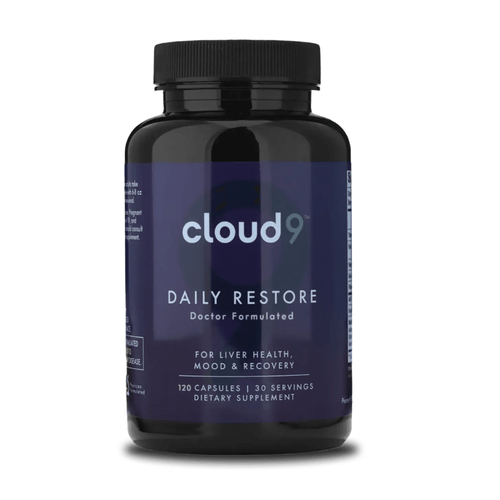
Cloud9 Daily Restore combines NAC, DHM, milk thistle, B vitamins, and ashwagandha to help support the pathways alcohol can tax most. Two capsules daily, drinking or not.
NAC | DHM | Milk Thistle | B Vitamins | Ashwagandha
See How Daily Restore WorksMental Health Awareness: The Wellness Revolution Meets Alcohol Culture
Perhaps no factor has influenced younger generations' relationship with alcohol more than the mainstreaming of mental health conversations. For Millennials and Gen Z, talking openly about anxiety, depression, and emotional wellness isn't taboo; it's expected.
The Anxiety-Alcohol Connection
Many young adults are making the connection between alcohol consumption and mental health challenges. While previous generations might have used drinking to cope with stress or social anxiety, today's younger drinkers are more likely to recognize that alcohol can worsen anxiety symptoms, disrupt sleep patterns, and interfere with mental health treatment.
Research suggests that alcohol can increase anxiety levels in the days following consumption, a phenomenon sometimes called "hangxiety." For a generation that prioritizes emotional regulation and self-care, this trade-off often doesn't feel worth it.
Wellness as Identity
The broader wellness movement has reframed how young people think about their choices. Meditation apps, fitness tracking, and nutritional awareness aren't niche interests; they're mainstream lifestyle components. Alcohol increasingly feels out of sync with these wellness-focused identities.
- Morning routines and productivity culture emphasize clear-headed starts to the day
- Fitness goals conflict with alcohol's impact on recovery and performance
- Sleep optimization practices clash with alcohol's disruption of sleep quality
- Nutritional awareness highlights alcohol's empty calories and inflammatory effects
Social Media's Double-Edged Influence on Drinking Culture
Social media has fundamentally changed how younger generations experience and talk about alcohol. The platforms that dominate their social lives have created both new pressures and new possibilities for reconsidering drinking culture.
The Curated Reality Effect
Instagram and TikTok showcase the glamorous side of drinking, yes, but they also document the unglamorous aftermath. Hangover confessions, regretful texts, and alcohol-fueled mistakes are shared with brutal honesty. This transparency has demystified drinking culture in ways that can make it less appealing.
At the same time, social media has given visibility to alternatives. The "sober curious" movement gained momentum largely through online communities, influencers sharing their sobriety journeys, and hashtags that normalized choosing not to drink.
FOMO and the Pressure to Document
The need to document experiences for social media has shifted social priorities. Many young adults report that they'd rather remember their experiences clearly and capture quality content than risk a blurry night they can't fully recall or share authentically.
The rise of "dry dating" and alcohol-free social events reflects a broader desire for authentic connection. When you're not relying on liquid courage, you're showing up as yourself, and that resonates with generations that value authenticity above almost everything else.
Economic Realities: How Financial Pressures Shape Drinking Habits
The financial landscape facing Millennials and Gen Z looks vastly different from what their parents experienced. Student loan debt, housing affordability challenges, and economic uncertainty have created a generation that thinks carefully about discretionary spending.
The True Cost of Drinking
When you're calculating whether you can afford rent in a city with job opportunities, the cost of regular bar tabs and weekend brunches adds up quickly. Many young adults are making pragmatic choices: cutting back on alcohol to save money for other priorities like travel, education, or building emergency funds.
| Expense Category | Monthly Cost (Moderate Drinker) | Annual Total |
|---|---|---|
| Bar drinks (2-3 per week) | $120-180 | $1,440-2,160 |
| Home alcohol purchases | $60-100 | $720-1,200 |
| Rideshares/transportation | $40-80 | $480-960 |
| Hangover recovery (food, remedies) | $30-50 | $360-600 |
| Total Annual Cost | $3,000-4,920 |
Investing in Experiences Over Escapism
Younger generations often prefer spending money on experiences that align with their values: travel, concerts, classes, or hobbies that build skills. Drinking culture, with its repetitive nature and physical consequences, increasingly feels like a poor return on investment.

The Rise of Inclusive Alternatives: Building New Social Norms
One of the most significant shifts isn't just that people are drinking less, but that they have more options when they choose not to drink. The explosion of alcohol-free alternatives and sober-inclusive spaces has made opting out easier and more socially acceptable than ever before.
The Non-Alcoholic Beverage Revolution
The market for non-alcoholic spirits, wines, and beers has grown exponentially. These aren't just juice boxes; they're sophisticated beverages that allow people to participate in drinking culture without the alcohol. This shift acknowledges that people often enjoy the ritual and taste of a cocktail without necessarily wanting the intoxication.
- Complex non-alcoholic spirits that mimic botanical flavors without alcohol content
- Low and no-alcohol craft beers that maintain flavor profiles beer lovers appreciate
- Functional beverages with adaptogens or nootropics offering alternative "buzzes"
- Mocktail menus at restaurants and bars that treat non-drinkers as valued customers
Sober Social Spaces and Events
Morning raves, alcohol-free bars, and day-party culture have emerged as alternatives to traditional nightlife. These spaces recognize that people want connection, fun, and community without hangovers being part of the package.
From sober comedy shows to alcohol-free networking events, younger generations are actively creating social infrastructure that doesn't center on drinking. This isn't about eliminating fun; it's about expanding the definition of what fun can look like.
Cultural Shifts: From Peer Pressure to Personal Choice
Perhaps the most profound change is cultural. For previous generations, not drinking often required explanation or defense. Today, among Millennials and Gen Z, choosing not to drink is increasingly viewed as a personal choice worthy of respect rather than an oddity demanding justification.
The "Sober Curious" Movement
The term "sober curious" has given people language for exploring their relationship with alcohol without committing to lifelong abstinence. This middle ground acknowledges that you don't need to identify as an alcoholic or hit rock bottom to question whether drinking serves you.
Books, podcasts, and online communities dedicated to examining alcohol use have normalized these conversations. Young adults are conducting personal experiments: Dry January, month-long breaks, or simply asking themselves how they feel after periods without drinking.
Shifting Social Expectations
Peer pressure hasn't disappeared, but it's evolved. In many social circles, the person ordering a non-alcoholic drink is more likely to be met with curiosity or respect than mockery. As more people openly discuss their reasons for drinking less, whether health-related, financial, or simply preferential, the social cost of opting out decreases.
- Friends groups planning activities that don't revolve around bars or drinking
- Dating culture embracing coffee dates and activity-based first meetings
- Professional networking shifting to breakfast meetings and daytime events
- Social hosts providing quality non-alcoholic options as standard practice
How Daily Restore Supports Your Health
Understanding what your body needs is one thing. Getting consistent daily support is another. Daily Restore was designed to address the key pathways alcohol can stress most, in one simple daily formula.
NAC (N-Acetyl Cysteine)
Supports glutathione production and antioxidant defenses
DHM (Dihydromyricetin)
Supports alcohol metabolism
Milk Thistle (Silymarin)
Supports healthy liver function
B Vitamins
Help replenish nutrients involved in energy and metabolism
Ashwagandha
Supports stress resilience and healthy cortisol balance
Daily Restore is not a detox or a cure. It is a daily support formula designed for people who drink socially and want to give their body consistent, evidence-informed support.
Frequently Asked Questions
Why are younger generations drinking less alcohol than previous generations?
Millennials and Gen Z have grown up with greater access to health information and wellness resources, leading to more informed choices about alcohol consumption. They tend to prioritize mental health, physical performance, and long-term wellbeing over traditional drinking culture. Social media has also shifted how younger people socialize, with many finding connection through fitness classes, creative projects, and alcohol-free gatherings.
What is "sober curious" and how is it different from being sober?
The sober curious movement involves questioning your relationship with alcohol and experimenting with reduced consumption or alcohol-free periods, without necessarily committing to complete abstinence. Unlike traditional sobriety, which often follows a recovery journey, being sober curious is about mindful exploration and personal choice. It allows people to examine how alcohol affects their lives without the pressure of permanent labels or commitments.
Are non-alcoholic beverages actually healthier than regular alcoholic drinks?
Most non-alcoholic alternatives eliminate the toxic effects of ethanol while providing the social and sensory experience of drinking. However, some non-alcoholic beverages can be high in sugar or calories, so it's important to read labels and choose options that align with your health goals. The primary benefit comes from avoiding alcohol's impact on liver function, sleep quality, mental clarity, and overall cellular health.
How can I reduce my alcohol intake without feeling left out socially?
Start by seeking out alcohol-free social activities like morning hikes, coffee meetups, or wellness events that naturally don't center around drinking. When attending traditional social gatherings, bring your own non-alcoholic beverages or arrive with confidence in your choice, as many people are more supportive than you might expect. Research suggests that having a plan, like alternating drinks or setting a personal limit before you go out, can help you feel more in control of your choices.
Can supplements really help support my body if I choose to drink occasionally?
While no supplement can eliminate the effects of alcohol, targeted nutrients may help support your body's natural detoxification processes and cellular health. Ingredients like milk thistle, NAC, and B vitamins have been studied for their potential to support liver function and reduce oxidative stress. The most effective approach combines mindful drinking habits with consistent daily nutritional support, rather than relying on supplements as a quick fix.
The Bottom Line
The growing alcohol awareness among Millennials and Gen Z represents a meaningful shift in how younger generations approach health, wellness, and social connection. Driven by better access to information, changing social norms, and a stronger focus on mental health and long-term wellbeing, this movement goes beyond temporary trends to reflect deeper values about living intentionally.
Whether you're completely alcohol-free, sober curious, or simply looking to drink more mindfully, supporting your body with targeted nutrition can make a difference. Daily Restore was designed to provide comprehensive support for liver health, cellular recovery, and overall vitality, offering a proactive approach to wellness that fits into your everyday routine.
With ingredients like milk thistle, NAC, DHM, and essential vitamins, Daily Restore helps support your body's natural detoxification processes while promoting resilience at the cellular level. It's not about perfection or absolute rules, it's about giving your body consistent, science-backed support as you navigate your own relationship with alcohol.
Your choices matter, and small, consistent actions can lead to meaningful improvements in how you feel every day. Whether you're cutting back, taking a break, or reimagining what wellness looks like for you, Daily Restore can be part of a holistic approach to living well on your own terms.
Build Your Daily Support Routine
Build Your Daily Support Routine
If drinking is part of your lifestyle, your support routine should not be random. Daily Restore was designed to help social drinkers support liver health, antioxidant defenses, alcohol metabolism, nutrient replenishment, and daily recovery in one simple routine.
NAC
DHM
Milk Thistle
B Vitamins
Ashwagandha