
You're looking forward to the holiday party. The sparkle, the laughter, the excuse to wear velvet in public. But there's that familiar dread creeping in, too: the exhaustion that hits before you even leave, the stomach issues that follow questionable appetizer choices, the fatigue that steals your entire next day.
Holiday gatherings don't have to leave you feeling wrecked. The difference between enjoying yourself and paying for it later often comes down to a few strategic choices, most of which are surprisingly simple.
This guide walks you through the science-informed strategies that can help you show up, celebrate authentically, and wake up feeling like yourself the next morning.
Quick Take
- Pre-party preparation, particularly strategic eating and hydration, sets the foundation for how you'll feel during and after events
- Alcohol impacts women differently due to body composition and hormonal factors, making intentional pacing and hydration especially important
- Blood sugar management through smart food choices can prevent energy crashes and reduce next-day fatigue
- Recovery support like electrolytes and antioxidants may help your body process what it encountered more efficiently
- Simple boundary-setting strategies allow you to enjoy social connection without overextending yourself physically
Why Holiday Parties Hit Women Harder
The post-party crash isn't just in your head. Research suggests that women metabolize alcohol differently than men due to lower levels of the enzyme alcohol dehydrogenase and typically higher body fat percentages. This means alcohol stays in a woman's system longer, potentially leading to more pronounced effects and longer recovery times.
Beyond alcohol, studies show that women are more susceptible to blood sugar fluctuations, particularly in the week before menstruation. Holiday party spreads, heavy on refined carbs and sugar, light on protein and fiber, create the perfect storm for energy crashes. Your hormonal cycle affects everything from how you process glucose to your stress response, which is why the same party can feel manageable one week and completely draining the next.
Add in the invisible labor many women carry during the holidays (gift planning, coordinating schedules, managing family dynamics), and you're often arriving at these events already depleted. Understanding these physiological realities isn't about limitation. It's about working with your body instead of against it.
Daily Support for Social Drinkers
Your liver works hard every day. Give it consistent support.
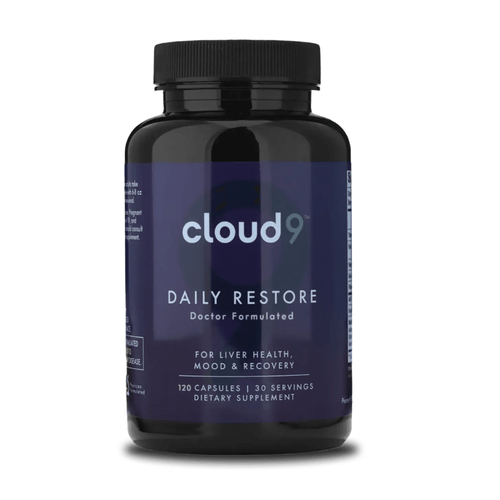
Cloud9 Daily Restore combines NAC, DHM, milk thistle, B vitamins, and ashwagandha to help support the pathways alcohol can tax most. Two capsules daily, drinking or not.
NAC | DHM | Milk Thistle | B Vitamins | Ashwagandha
See How Daily Restore WorksPre-Party Preparation That Actually Works
The Foundation Meal Strategy
What you eat before a party matters more than most people realize. Arriving hungry sets you up for blood sugar chaos and makes it nearly impossible to pace yourself around appetizers and drinks.
About two to three hours before the event, eat a balanced meal that includes protein, healthy fats, and fiber. Think grilled chicken with roasted vegetables and quinoa, or a substantial salad with salmon and avocado. This combination slows alcohol absorption, stabilizes blood sugar, and gives you genuine energy rather than the jittery kind.
If you're heading straight from work, pack a substantial snack: Greek yogurt with nuts and berries, hummus with vegetables and whole grain crackers, or a protein smoothie. The goal is to avoid showing up ravenous, which is when well-intentioned plans tend to dissolve.
Strategic Hydration
Hydration starts hours before you arrive. Research suggests that even mild dehydration can amplify fatigue, worsen headaches, and impair cognitive function. If you're already behind on fluids, adding alcohol to the equation accelerates dehydration significantly.
In the four to six hours before the party, aim for at least 16 to 20 ounces of water. Add electrolytes if you've been particularly busy or stressed. This creates a buffer that helps your body manage whatever the evening brings.
The Recovery Kit
Before you leave home, set yourself up for easy recovery. Place a large glass of water with electrolytes on your nightstand. Lay out comfortable clothes. If you know you'll be tired, prep an easy breakfast for the morning.
These small acts of self-care, done while you still have energy and clarity, make an enormous difference in how the next day unfolds.
During the Party: Sustainable Enjoyment
The Drink-Water-Drink Pattern
If you're choosing to drink alcohol, the one-to-one ratio (one alcoholic drink followed by one full glass of water) isn't just folk wisdom. It's based on alcohol's diuretic effect, which increases urine production and depletes both fluids and electrolytes.
Make the water interesting if plain feels boring. Sparkling water with lime, herbal tea if available, or even just ice water in a nice glass helps you stay engaged with the habit. The goal is maintaining steady hydration throughout the evening, not trying to catch up at the end.
Navigating the Food Spread
Holiday party food tends toward extremes: heavy, rich appetizers or barely-there vegetable trays. Your strategy depends on what's available and how long you'll be there.
- Start with protein and vegetables if they're available (shrimp, cheese, crudités, nuts)
- Choose foods you genuinely enjoy rather than eating everything out of obligation or distraction
- If the spread is all refined carbs and fried foods, eat less and know you can have real food when you get home
- Avoid the trap of skipping food to "save room for drinks," which accelerates alcohol absorption and blood sugar crashes
Energy Management Throughout the Evening
You don't have to stay until the last person leaves. Studies on social energy suggest that introverts and highly sensitive people experience genuine cognitive fatigue from prolonged social interaction, regardless of how much fun they're having.
Notice when you start feeling depleted rather than just tired. That's your signal. Leaving while you still have some energy left means you'll recover faster and won't associate holiday parties with total exhaustion.
The key to enjoying holiday parties without the crash isn't restriction or missing out. It's about making choices that support both celebration and recovery, so you can show up fully without paying for it later.
The Smart Drinking Guide (If You Choose To)
Understanding Your Baseline
How alcohol affects you depends on multiple factors: your cycle phase, stress levels, sleep quality, medications, and whether you've eaten. What felt fine last weekend might hit differently this weekend.
Pay attention to patterns. Many women notice alcohol affects them more significantly in the luteal phase (the week or two before menstruation) when progesterone levels shift. If you're already tired or stressed, your tolerance is likely lower than usual.
Drink Quality and Type Matters
Not all alcoholic drinks are created equal when it comes to how you'll feel later. Research suggests that congeners (chemical compounds produced during fermentation) in darker liquors may contribute to worse hangover symptoms compared to lighter spirits.
| Drink Type | Considerations | Recovery Impact |
|---|---|---|
| Clear spirits (vodka, gin) | Lower in congeners, easier to control portions when mixed simply | Generally gentler on next-day symptoms |
| Wine (especially red) | Contains histamines and sulfites that some people are sensitive to | May cause headaches or sinus issues in sensitive individuals |
| Dark liquors (whiskey, rum) | Higher congener content from barrel aging | May contribute to more pronounced hangover symptoms |
| Sugary cocktails | High sugar content plus alcohol creates blood sugar rollercoaster | Often leads to worse energy crashes and dehydration |
| Beer and champagne | Carbonation may speed alcohol absorption | Can cause bloating and faster intoxication |
Pacing Strategies That Don't Feel Restrictive
The standard advice is one drink per hour, which allows your liver time to metabolize alcohol at its natural rate (roughly one standard drink per hour for most people). But rigid rules often backfire at social events.
Instead, try these flexible approaches: alternate alcoholic drinks with full glasses of sparkling water, choose drinks you actually savor rather than gulp, or set a personal limit before you arrive (like two drinks total) and stick to it. Having a plan before you're in the moment makes execution significantly easier.
Recovery Protocol for the Next Day
The First Hour After Waking
How you approach the first hour after a party significantly influences your entire day. Before reaching for your phone, drink the water you left on your nightstand. Replenishing fluids immediately helps combat dehydration and supports your body's natural detoxification processes.
If you wake up with a headache or nausea, these are often signs of dehydration and low blood sugar. Address both: water with electrolytes, then easy-to-digest food like toast with nut butter or a banana within the first hour.
Movement That Supports Recovery
Intense exercise might sound punishing when you're already depleted, but gentle movement can actually help. A 20-minute walk increases circulation, which may help your body process residual alcohol metabolites more efficiently. Light stretching or easy yoga can ease muscle tension without adding stress.
Listen to your body. If you're genuinely exhausted, rest is the recovery tool you need. Movement should feel supportive, not punishing.
Strategic Supplementation
Certain nutrients support your body's recovery processes after social events involving alcohol or rich foods. While no supplement can undo poor choices, some may help your system recalibrate more efficiently.
- B vitamins: Alcohol depletes B vitamins, particularly B1, B6, and B12, which are essential for energy production
- Electrolytes: Sodium, potassium, and magnesium help restore fluid balance and support cellular function
- Antioxidants: Vitamins C and E may help combat oxidative stress from alcohol metabolism
- N-acetylcysteine (NAC): Research suggests this amino acid supports liver function and glutathione production
Timing matters. Taking recovery support before bed and again the next morning creates a sustained support window when your body needs it most.
What to Eat for Faster Recovery
Your food choices the day after a party can either support or hinder recovery. Focus on nutrient-dense, easily digestible foods that stabilize blood sugar and provide the building blocks for cellular repair.
Good options include eggs (rich in cysteine, which supports liver function), leafy greens (packed with vitamins and minerals), salmon or other omega-3 rich fish (anti-inflammatory), sweet potatoes (gentle complex carbs that stabilize blood sugar), and berries (high in antioxidants). Avoid greasy, heavy foods that make your digestive system work harder when it's already processing yesterday's indulgences.
How Daily Restore Supports Your Health
Understanding what your body needs is one thing. Getting consistent daily support is another. Daily Restore was designed to address the key pathways alcohol can stress most, in one simple daily formula.
NAC (N-Acetyl Cysteine)
Supports glutathione production and antioxidant defenses
DHM (Dihydromyricetin)
Supports alcohol metabolism
Milk Thistle (Silymarin)
Supports healthy liver function
B Vitamins
Help replenish nutrients involved in energy and metabolism
Ashwagandha
Supports stress resilience and healthy cortisol balance
Daily Restore is not a detox or a cure. It is a daily support formula designed for people who drink socially and want to give their body consistent, evidence-informed support.
Frequently Asked Questions
How much water should I actually drink during a holiday party?
A good rule of thumb is to alternate one glass of water for every alcoholic beverage, though your individual needs may vary based on activity level and the environment. If you're dancing, talking a lot, or in a warm setting, you'll likely need more. Listen to your body and aim to stay ahead of thirst rather than waiting until you feel parched.
Can I take Daily Restore if I've already had a few drinks?
Yes, Daily Restore can be taken at any point during the evening or before bed, though starting earlier in the day may provide better support. The key nutrients work to help your body process what you consume, and consistency matters more than perfect timing. Many women find that taking it before heading out, then again before bed with plenty of water, works well for them.
What if I don't drink alcohol but still feel awful after holiday parties?
Holiday party fatigue isn't just about alcohol. Late nights, disrupted sleep schedules, rich foods, sugar overload, and the social energy required can all leave you feeling depleted. The same strategies apply: prioritize hydration, balance your plate with protein and vegetables, set boundaries around your schedule, and support your body with nutrients that promote recovery and sustained energy.
How do I politely turn down drinks without making it awkward?
Keep it simple and confident: "I'm good with this sparkling water, thanks" or "I'm pacing myself tonight" usually does the trick. You can also hold a festive-looking mocktail so you're not repeatedly offered drinks. Most people are far less focused on what you're drinking than you think, and those who push after a polite decline are dealing with their own issues, not yours.
Is it normal to need a few days to recover after party season?
Absolutely, especially if you've attended multiple events in a short span. Your body needs time to recalibrate after disrupted sleep, dietary changes, and increased social stimulation. Research suggests that recovery time can vary significantly based on age, overall health, stress levels, and how well you supported your body during the events. Being gentle with yourself and returning to your baseline routines can help you bounce back more efficiently.
The Bottom Line
Enjoying holiday parties without paying for it the next day isn't about deprivation or following rigid rules. It's about working with your body instead of against it. When you stay hydrated, eat strategically, pace yourself, and support your system with the right nutrients, you create space to actually enjoy the celebration rather than just survive it.
The women who feel best during party season aren't necessarily the ones who skip everything or follow perfect protocols. They're the ones who have consistent daily habits that build resilience, then make intentional choices when they're out. Daily Restore fits into that foundation, offering targeted support for liver function, hydration, and recovery that doesn't require you to remember a complicated routine when you're already juggling a packed social calendar.
Think of it this way: the holiday season is short, but how you feel in your body affects everything else in your life. The conversations you have, the memories you make, the energy you bring to the people you care about. That's worth protecting. Small, strategic choices add up to feeling capable and clear-headed instead of foggy and depleted.
You deserve to show up fully for the moments that matter, and with the right approach, you absolutely can. Here's to a holiday season where you feel as good as the parties look.
Build Your Daily Support Routine
Build Your Daily Support Routine
If drinking is part of your lifestyle, your support routine should not be random. Daily Restore was designed to help social drinkers support liver health, antioxidant defenses, alcohol metabolism, nutrient replenishment, and daily recovery in one simple routine.
NAC
DHM
Milk Thistle
B Vitamins
Ashwagandha