

Looking for reliable information about alcohol use can feel overwhelming. Between conflicting advice, outdated resources, and the challenge of knowing which sources to trust, many people don't know where to start.
Whether you're curious about your own drinking patterns, supporting someone you care about, or simply want to understand alcohol's impact on health, having access to quality resources makes all the difference. The right information can help you make informed decisions, find support when needed, and understand the full picture of how alcohol affects wellness.
This alcohol awareness resource guide brings together trusted sources, practical tools, and actionable steps to help you navigate your relationship with alcohol. From educational materials to support networks, these resources can provide the foundation for meaningful change.
Quick Take
- Quality alcohol awareness resources include government health agencies, peer-reviewed research databases, and established support organizations
- Self-assessment tools can help you evaluate your drinking patterns and identify potential concerns
- Support networks range from professional counseling to peer-led groups, both in-person and online
- Educational resources explain the science behind alcohol's effects on physical and mental health
- Taking action starts with small steps: gathering information, tracking patterns, and reaching out for support when needed
Understanding Why Quality Resources Matter
Not all alcohol awareness resources are created equal. Research suggests that access to evidence-based information significantly improves outcomes for people exploring their relationship with alcohol. Quality resources provide accurate scientific information, practical guidance, and connections to professional support.
The challenge lies in distinguishing credible sources from those promoting specific agendas or outdated information. Trusted resources typically come from established health organizations, peer-reviewed research institutions, and accredited treatment providers. They present information without judgment while being clear about potential health impacts.
Studies show that people who engage with multiple types of resources, from educational materials to community support, tend to make more sustainable changes. Having a comprehensive resource guide means you can find what you need at different stages of your journey, whether that's basic information or intensive support.
Daily Support for Social Drinkers
Your liver works hard every day. Give it consistent support.
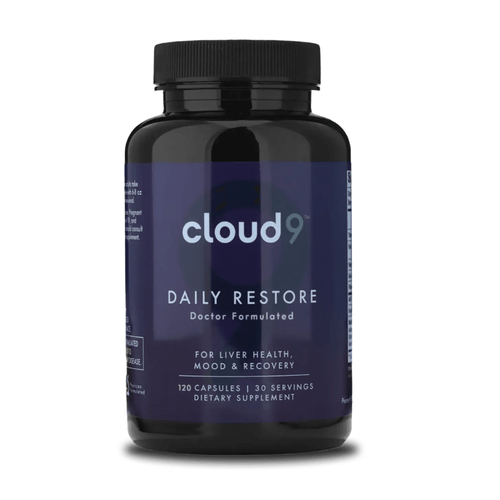
Cloud9 Daily Restore combines NAC, DHM, milk thistle, B vitamins, and ashwagandha to help support the pathways alcohol can tax most. Two capsules daily, drinking or not.
NAC | DHM | Milk Thistle | B Vitamins | Ashwagandha
See How Daily Restore WorksEssential Educational Resources
Government and Health Organization Resources
National health agencies provide some of the most reliable alcohol awareness information available. These organizations base their guidelines on extensive research and regularly update their materials to reflect current scientific understanding.
Key resources include:
- National Institute on Alcohol Abuse and Alcoholism (NIAAA): Offers comprehensive research-based information on alcohol's effects, treatment options, and screening tools
- Substance Abuse and Mental Health Services Administration (SAMHSA): Provides a national helpline (1-800-662-4357), treatment locator, and prevention resources
- Centers for Disease Control and Prevention (CDC): Features fact sheets on alcohol-related health risks and public health data
- World Health Organization (WHO): Publishes global perspectives on alcohol use and evidence-based policy recommendations
Research and Scientific Resources
Understanding the science behind alcohol's effects can help you make informed decisions. Several databases and journals make research accessible to general audiences, often providing summaries of complex studies in plain language.
PubMed and Google Scholar offer free access to peer-reviewed studies on alcohol and health. Organizations like the Cochrane Library provide systematic reviews that analyze multiple studies together, offering stronger evidence than single research papers.
Educational Websites and Online Courses
Several reputable organizations offer free online courses and interactive tools that explain alcohol's impact on the body and brain. These resources can help you understand tolerance, dependence, withdrawal, and recovery in accessible formats.
Many include self-paced modules, videos, and quizzes that let you learn at your own speed. Look for resources from university health centers, medical institutions, and established nonprofit organizations.
Self-Assessment Tools and Tracking Resources
Screening Questionnaires
Self-assessment tools can help you evaluate your drinking patterns objectively. The most widely used screening questionnaires have been validated through research and are used by healthcare providers worldwide.
The AUDIT (Alcohol Use Disorders Identification Test) consists of 10 questions about drinking frequency, quantity, and related behaviors. It takes just a few minutes to complete and provides a score that indicates low-risk, hazardous, or harmful drinking patterns.
Other validated tools include the CAGE questionnaire (four questions focusing on cutting down, annoyance, guilt, and eye-openers) and the MAST (Michigan Alcohol Screening Test). These can be found free online through NIAAA and many university health centers.
Drinking Tracking Apps and Journals
Monitoring your alcohol consumption over time provides valuable insights into patterns you might not otherwise notice. Several apps and journaling methods can help with this process.
Tracking isn't about judgment. It's about gathering data so you can make informed choices about your health and wellness.
Effective tracking includes not just how much you drink, but also when, where, with whom, and how you felt before and after. This context can reveal triggers, patterns, and connections between alcohol use and other aspects of your life.
Support Networks and Treatment Resources
Peer Support Groups
Community support can play a vital role in changing your relationship with alcohol. Several types of peer-led groups offer different approaches and philosophies.
| Organization | Approach | Best For |
|---|---|---|
| Alcoholics Anonymous (AA) | 12-step program, spiritual foundation, abstinence-based | Those comfortable with spiritual elements and complete abstinence |
| SMART Recovery | Science-based, cognitive behavioral techniques, self-empowerment | Those preferring evidence-based, secular approaches |
| Moderation Management | Supports moderation and abstinence, behavioral change focus | Those exploring moderation or early-stage concern |
| Refuge Recovery | Buddhist-inspired, meditation and mindfulness-based | Those interested in mindfulness and Buddhist philosophy |
| LifeRing Secular Recovery | Secular, peer-support focus, abstinence-based | Those seeking non-religious, non-12-step support |
Professional Treatment Options
Professional support ranges from outpatient counseling to intensive residential treatment. The level of care you need depends on factors like drinking severity, co-occurring mental health conditions, previous treatment attempts, and your support system.
Treatment options include:
- Outpatient counseling: Regular therapy sessions while maintaining your daily routine
- Intensive outpatient programs (IOP): More frequent sessions, typically several times per week
- Partial hospitalization programs (PHP): Day treatment with medical monitoring, returning home at night
- Residential treatment: 24/7 support in a structured environment, typically 30-90 days
- Medication-assisted treatment: FDA-approved medications combined with counseling to reduce cravings and support recovery
SAMHSA's treatment locator (findtreatment.gov) helps you search for licensed providers in your area. Many facilities offer free assessments to help determine appropriate care levels.
Online and Telehealth Resources
Digital health platforms have expanded access to alcohol treatment and support. Research suggests that online interventions can be effective, particularly for people in early stages of concern or those in areas with limited local resources.
Options include video counseling with licensed therapists, smartphone apps with daily check-ins and coping strategies, online support group meetings, and digital cognitive behavioral therapy programs. Many insurance plans now cover telehealth services at the same rate as in-person care.
Resources for Supporting Others
Family and Friends Education
If you're concerned about someone else's drinking, education about alcohol use disorders and how to help can make a significant difference. Al-Anon and Nar-Anon offer support groups specifically for family members and friends of people with substance use concerns.
These organizations teach healthy boundaries, communication strategies, and self-care practices. They emphasize that you can't control another person's drinking, but you can change how you respond and take care of your own wellbeing.
Intervention Resources
Professional interventionists can help families communicate concerns effectively when someone is resistant to treatment. Organizations like the Association of Intervention Specialists maintain directories of certified professionals who follow evidence-based intervention models.
Effective interventions focus on expressing care and concern rather than blame, presenting specific examples of how alcohol has caused problems, and offering immediate treatment options. Having these resources prepared in advance increases the likelihood of a positive outcome.
Taking Action: Your Next Steps
Creating Your Personal Resource Plan
Having resources available is only helpful if you know how to access them when needed. Consider bookmarking key websites, saving helpline numbers in your phone, and identifying which local resources might be most appropriate for your situation.
A practical resource plan might include:
- One or two trusted educational websites for ongoing learning
- A self-assessment tool you can revisit periodically
- Contact information for at least one support group or counselor
- A crisis helpline number (SAMHSA: 1-800-662-4357)
- Names of supportive friends or family members you can reach out to
Starting Small and Building Momentum
You don't need to use every resource at once. Start with what feels manageable, whether that's reading one article, taking a self-assessment, or attending a single support group meeting.
Many people find that taking one small step creates momentum for the next. Gathering information reduces uncertainty, connecting with others who understand reduces isolation, and seeing that help is available increases hope. Each action builds confidence that change is possible.
How Daily Restore Supports Your Health
Understanding what your body needs is one thing. Getting consistent daily support is another. Daily Restore was designed to address the key pathways alcohol can stress most, in one simple daily formula.
NAC (N-Acetyl Cysteine)
Supports glutathione production and antioxidant defenses
DHM (Dihydromyricetin)
Supports alcohol metabolism
Milk Thistle (Silymarin)
Supports healthy liver function
B Vitamins
Help replenish nutrients involved in energy and metabolism
Ashwagandha
Supports stress resilience and healthy cortisol balance
Daily Restore is not a detox or a cure. It is a daily support formula designed for people who drink socially and want to give their body consistent, evidence-informed support.
Frequently Asked Questions
What's the difference between problem drinking and alcohol use disorder?
Problem drinking refers to patterns that may cause harm but don't necessarily meet clinical criteria for addiction. Alcohol use disorder is a medical diagnosis with specific symptoms including loss of control, continued use despite consequences, and withdrawal symptoms. Both deserve attention and support, regardless of where you fall on the spectrum.
Can I reduce my drinking on my own, or do I need professional help?
Many people successfully reduce their alcohol intake through self-directed changes, especially when drinking hasn't become severe. However, if you've experienced withdrawal symptoms, have been unable to cut back on your own, or have health complications, professional guidance is recommended. There's no shame in seeking support, and doing so early can make the process easier.
How long does it take to see benefits from cutting back on alcohol?
Some improvements can happen quickly: better sleep quality within days, improved hydration within a week, and clearer thinking within two weeks. Other benefits like liver function improvement, cardiovascular health gains, and mental clarity continue to build over months. Everyone's timeline is different based on their drinking history and overall health.
Are online resources as effective as in-person support?
Research suggests that online programs and virtual support can be highly effective, particularly for people who face barriers to in-person treatment like scheduling conflicts, transportation issues, or privacy concerns. Many people benefit from a combination approach: using apps and online resources for daily support while attending occasional in-person sessions or meetings.
What should I do if I'm worried about someone else's drinking?
Express your concerns with compassion rather than judgment, focusing on specific behaviors you've observed rather than labels. Organizations like Al-Anon offer support for friends and family members, and intervention specialists can help facilitate difficult conversations. Remember that you can't force someone to change, but you can offer resources and create an environment that supports their decision when they're ready.
The Bottom Line
Taking control of your relationship with alcohol doesn't require a perfect plan or hitting rock bottom. Whether you're looking to moderate your intake, take a break, or quit entirely, the resources outlined in this guide can help you move forward at your own pace. The key is finding the combination of tools, support systems, and strategies that work for your unique situation and lifestyle.
Small, consistent actions often lead to the most sustainable change. This might mean checking in with an app daily, attending weekly support meetings, working with a therapist, or simply tracking your drinks and setting boundaries. Building a routine that supports your goals makes the process feel less overwhelming and more manageable over time.
Cloud9's Daily Restore can be part of that consistent daily routine. Formulated with DHM, NAC, milk thistle, and other researched ingredients, it's designed to support your body's natural processes as you work toward healthier habits. While no supplement replaces professional treatment or lifestyle changes, Daily Restore can complement your broader wellness strategy, helping you feel your best as you make positive changes.
Remember: seeking information and considering change is already a meaningful step forward. You don't have to have all the answers right now. Start where you are, use the resources that resonate with you, and be patient with yourself as you build the healthier relationship with alcohol that you're looking for.
Build Your Daily Support Routine
Build Your Daily Support Routine
If drinking is part of your lifestyle, your support routine should not be random. Daily Restore was designed to help social drinkers support liver health, antioxidant defenses, alcohol metabolism, nutrient replenishment, and daily recovery in one simple routine.
NAC
DHM
Milk Thistle
B Vitamins
Ashwagandha