

You pour a glass of wine while cooking dinner, crack open a beer when you get home from work, or order your usual drink at Friday night drinks without thinking twice. These moments feel automatic, almost scripted. But here's the question: are you choosing to drink, or is the habit choosing for you?
The difference between habitual drinking and conscious choice isn't always obvious. Many people who enjoy alcohol fall into patterns where drinking becomes less about genuine desire and more about routine, social expectation, or emotional autopilot. Recognising this distinction can transform your relationship with alcohol.
Learning to spot the difference between habit and choice gives you back control. It's not about never drinking or following strict rules. It's about making sure each drink you have is one you actually want, not one you're having because your brain is on autopilot.
Quick Take
- Habitual drinking happens on autopilot, while mindful drinking involves conscious choice and awareness
- Environmental cues like time of day, locations, and social situations can trigger automatic drinking patterns
- The "pause before pouring" technique helps break the automatic response and create space for genuine choice
- Simple hacks like changing your routine, using smaller glasses, and asking specific questions can reveal hidden habits
- Mindful drinking isn't about perfection or rules, it's about increasing awareness and intentional decision-making
Why Your Brain Loves Drinking Habits
Your brain is designed to create habits. It's an efficiency mechanism that helps you navigate daily life without exhausting mental energy on every small decision. Research suggests that up to 40% of our daily actions are driven by habits rather than conscious decisions. When you repeat a behavior in a consistent context, your brain creates neural pathways that make that behavior increasingly automatic.
Alcohol fits perfectly into this habit-forming system. The combination of a consistent trigger (Friday evening, stressful day, dinner preparation), a routine (pouring a drink), and a reward (relaxation, social connection, taste) creates what behavioral scientists call a habit loop. Once established, this loop can run with minimal conscious input.
Studies show that environmental and social cues play a particularly strong role in alcohol consumption. The sight of a wine glass, the smell of a pub, or the ritual of after-work drinks can activate these automatic patterns before you've made any conscious decision to drink. Understanding this mechanism is the first step in recognising when habit has replaced choice.
Daily Support for Social Drinkers
Your liver works hard every day. Give it consistent support.
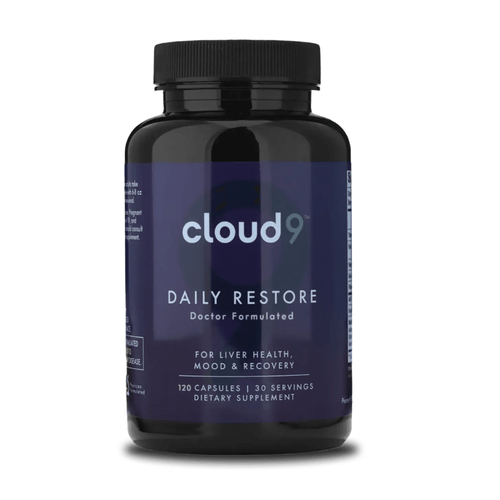
Cloud9 Daily Restore combines NAC, DHM, milk thistle, B vitamins, and ashwagandha to help support the pathways alcohol can tax most. Two capsules daily, drinking or not.
NAC | DHM | Milk Thistle | B Vitamins | Ashwagandha
See How Daily Restore WorksThe Telltale Signs You're Drinking on Autopilot
Recognising habitual drinking requires honest self-observation. The clues are often subtle, woven into the fabric of your daily routine. Learning to spot these patterns gives you the power to interrupt them.
Time-Based Triggers
Do you find yourself reaching for a drink at the same time each day, regardless of how you feel? Time-based drinking is one of the clearest signs of habit over choice. Your brain associates a specific hour with alcohol, and the urge arrives right on schedule.
Common time triggers include the "5 o'clock drink," the weekend morning mimosa, or the nightly nightcap. If you feel uncomfortable or restless when that time arrives and you don't drink, it's a strong indicator that habit has taken hold.
Location-Based Patterns
Certain environments can trigger automatic drinking responses. You might always drink at specific restaurants, always have wine while cooking, or always grab a beer when you sit on your back patio. These location-based habits operate so smoothly that you might not even register them as patterns.
The key question is: would you want that drink if you were somewhere else? If the location is driving the desire more than genuine interest in the drink itself, you've identified a habit trigger.
Social Autopilot
Social situations create powerful drinking habits. You might automatically order alcohol when friends do, drink at every social gathering regardless of your mood, or feel obligated to "keep up" with others' pace. Research suggests that social modeling significantly influences drinking behavior, often outside our conscious awareness.
Notice whether your drinking decisions change based on who you're with. If you find yourself drinking simply because everyone else is, or ordering your "usual" without considering whether you actually want it, social habit has likely replaced conscious choice.
The Emotion-Drink Connection
Emotional triggers can create some of the strongest drinking habits. Stress, boredom, anxiety, or even celebration might automatically translate into reaching for alcohol. These patterns develop when drinking becomes your default response to certain emotional states.
- You automatically pour a drink after a stressful day without considering other ways to decompress
- Boredom immediately triggers thoughts of having a drink to "make things interesting"
- Any celebration feels incomplete without alcohol, regardless of the context
- You reach for a drink before you've even fully acknowledged what you're feeling
Practical Mindful Drinking Hacks to Reset Your Patterns
Breaking automatic patterns doesn't require dramatic life changes. Small, strategic hacks can create enough friction in your habit loops to reintroduce conscious choice. These techniques work by interrupting the automatic sequence between trigger and behavior.
The Five-Question Pause
Before you pour or order a drink, pause and ask yourself five specific questions. This simple practice creates space between impulse and action, allowing genuine choice to emerge.
- Do I actually want this drink right now? Not "should I want it" or "do I usually have it," but do you genuinely desire it in this moment?
- Am I thirsty, or am I something else? Bored, stressed, tired, or just following routine?
- Will I enjoy this drink, or just consume it? Can you anticipate savoring it, or will you barely notice it?
- How do I want to feel in two hours? Does drinking align with that desired state?
- What would I do instead if alcohol weren't an option? This reveals whether you're drinking for genuine enjoyment or lack of alternatives
Change One Variable
Habits thrive on consistency. Changing just one element of your routine can disrupt the automatic pattern enough to reintroduce choice. You don't need to change everything, just enough to make your brain pause and reconsider.
If you always drink wine while cooking dinner, try cooking at a different time, in a different location, or with different music playing. If you always have beer on your couch after work, sit in a different chair or go for a walk first. These small shifts can break the automatic trigger-response cycle.
The Glass Swap Technique
Visual cues powerfully influence drinking habits. Try using different glassware for non-alcoholic drinks than you typically use for alcohol. This creates a new visual association and makes your choices more visible to yourself.
Better yet, use your "nice" glasses for non-alcoholic drinks. Many people reserve their best glassware for alcohol, unconsciously reinforcing the idea that non-alcoholic choices are less special or enjoyable.
Create Strategic Friction
Make habitual drinking slightly less convenient without making it impossible. Small amounts of friction can be enough to activate conscious decision-making.
- Store alcohol in a less accessible location rather than at eye level
- Keep non-alcoholic alternatives more visible and readily available
- Use smaller glasses that require conscious refilling rather than large glasses you can drink from mindlessly
- Wait 15 minutes after the urge hits before acting on it
- Require yourself to verbally state "I'm choosing to have a drink" out loud before pouring
Mindful drinking isn't about restriction or rules. It's about returning agency to your choices. Every time you pause to genuinely ask whether you want a drink, you're practicing a form of self-awareness that extends far beyond alcohol.
The Habit vs Choice Checklist
Use this practical checklist to evaluate whether a drinking moment is driven by habit or conscious choice. Complete honesty with yourself is essential for this tool to be effective.
| Habit-Driven Drinking | Choice-Driven Drinking |
|---|---|
| You reach for alcohol without thinking about it | You consciously decide you want a drink |
| Time of day triggers the urge regardless of circumstances | Your desire is based on current mood and situation |
| You'd feel uncomfortable if you skipped your usual drink | You're equally comfortable drinking or not drinking |
| You order your "usual" without considering alternatives | You actively choose what you want in the moment |
| You drink because others are drinking | Your choice is independent of others' choices |
| You consume drinks without really tasting them | You savor and pay attention to each drink |
| Drinking is your default response to certain emotions | You consider multiple ways to address your emotional needs |
Building Your Mindful Drinking Practice
Transitioning from habitual to mindful drinking is a skill that develops over time. Like any practice, it requires patience, self-compassion, and consistent attention. The goal isn't perfection but increasing awareness.
Start With One Trigger
Don't try to address all your drinking habits simultaneously. Choose one specific trigger or pattern to focus on for a week or two. This might be your weeknight wine habit, your automatic weekend drinking, or your stress-response drinking.
Apply your mindful drinking hacks consistently to this one pattern. Once you've increased awareness around this trigger, move on to the next one. This incremental approach builds confidence and creates sustainable change.
Track Without Judgment
Keep a simple awareness journal for one or two weeks. Each time you drink or feel the urge to drink, note what triggered it, whether you paused to check in with yourself, and whether the choice felt automatic or intentional. This isn't about judgment or restriction, it's pure data collection.
Patterns will emerge that surprise you. You might discover that certain social situations, times of day, or emotional states consistently trigger automatic drinking. This awareness itself often begins to shift the pattern.
Experiment With Alternatives
Build a repertoire of genuinely appealing non-alcoholic alternatives. Many people drink habitually partly because they haven't developed satisfying alternatives. The key is finding options that feel special, not like punishment or deprivation.
- Invest in quality non-alcoholic beverages that you genuinely enjoy
- Create rituals around these alternatives (special glasses, garnishes, preparation)
- Try sophisticated options like craft mocktails, premium teas, or complex sodas
- Match the alternative to what you're actually seeking (relaxation, flavor, social participation)
Practice the Mid-Drink Check-In
Mindful drinking doesn't stop after you've decided to have a drink. Check in with yourself halfway through any alcoholic beverage. Do you still want it? Are you enjoying it? Would you pour another, or have you had enough?
This practice helps you distinguish between drinking you're enjoying and drinking you're doing automatically. Research suggests that much alcohol consumption happens mindlessly, with people finishing drinks simply because they're in front of them.
Reframe "Success"
Success in mindful drinking isn't measured by how many drinks you skip or how perfectly you follow your plans. Success is measured by increasing awareness. Every time you pause to ask yourself whether you genuinely want a drink, you've succeeded, regardless of what you decide.
Some days you'll choose to drink, and that's fine. Other days you'll realize you don't actually want to, and that realization is powerful. Both outcomes represent mindful choice rather than automatic habit.
How Daily Restore Supports Your Health
Understanding what your body needs is one thing. Getting consistent daily support is another. Daily Restore was designed to address the key pathways alcohol can stress most, in one simple daily formula.
NAC (N-Acetyl Cysteine)
Supports glutathione production and antioxidant defenses
DHM (Dihydromyricetin)
Supports alcohol metabolism
Milk Thistle (Silymarin)
Supports healthy liver function
B Vitamins
Help replenish nutrients involved in energy and metabolism
Ashwagandha
Supports stress resilience and healthy cortisol balance
Daily Restore is not a detox or a cure. It is a daily support formula designed for people who drink socially and want to give their body consistent, evidence-informed support.
Frequently Asked Questions
How long does it take to break a habitual drinking pattern?
Research suggests that habit formation and breaking can take anywhere from 18 to 254 days, with 66 days being a commonly cited average. The timeline varies based on how deeply ingrained the pattern is and how consistently you practice new behaviours. Small, sustainable changes tend to create more lasting shifts than dramatic overhauls.
What's the difference between a drinking habit and alcohol dependence?
A habit is a learned behaviour pattern that happens automatically in response to certain cues, like reaching for wine after work without thinking about it. Dependence involves physical or psychological reliance where you experience cravings, withdrawal symptoms, or difficulty functioning without alcohol. If you're concerned about dependence, it's important to consult with a healthcare professional.
Can I still enjoy social drinking while being more mindful?
Absolutely. Mindful drinking isn't about eliminating alcohol entirely unless that's your personal choice. It's about becoming more intentional with when, why, and how much you drink so that each occasion feels like a conscious decision rather than an autopilot response. Many people find they actually enjoy social events more when they're fully present and making deliberate choices.
What should I do if I notice I'm drinking out of habit but struggle to change?
Start with the smallest possible change rather than trying to overhaul everything at once. This might mean pausing for three deep breaths before your first drink, or choosing one evening per week to try an alcohol-free alternative. If you continue to struggle despite genuine effort, consider seeking support from a therapist, counsellor, or support group who specializes in substance use patterns.
How can I replace the ritual of drinking without feeling deprived?
Focus on creating new rituals that provide similar sensory satisfaction and relaxation cues. This might include preparing a special mocktail or herbal tea in a favourite glass, taking a short evening walk, or practicing a five-minute breathing exercise. The key is finding alternatives that genuinely feel rewarding rather than like punishment or deprivation.
The Bottom Line
Learning to distinguish between habitual and intentional drinking is a powerful step toward greater wellbeing and self-awareness. By paying attention to your triggers, questioning your autopilot patterns, and creating space for conscious choice, you can transform your relationship with alcohol from one of routine to one of genuine enjoyment and purpose.
The journey doesn't require perfection. Small shifts in awareness, practiced consistently over time, can lead to meaningful changes in how you feel both physically and mentally. Whether you're looking to cut back, take periodic breaks, or simply feel more in control of your choices, the strategies we've explored can help you move forward with clarity and confidence.
Supporting your body during this process can make the transition smoother. Cloud9's Daily Restore is designed to help you feel your best with ingredients like DHM, milk thistle, and B vitamins that may support your body's natural processes. When taken consistently as part of your daily routine, it can complement your mindful drinking practice by helping you maintain balance and vitality.
Remember, every conscious choice you make is worth celebrating. Start where you are, be patient with yourself, and trust that each mindful decision is building toward a healthier, more intentional way of living.
Build Your Daily Support Routine
Build Your Daily Support Routine
If drinking is part of your lifestyle, your support routine should not be random. Daily Restore was designed to help social drinkers support liver health, antioxidant defenses, alcohol metabolism, nutrient replenishment, and daily recovery in one simple routine.
NAC
DHM
Milk Thistle
B Vitamins
Ashwagandha