

If you drink regularly and struggle with mood swings, anxiety, or low motivation, you're not imagining the connection. Alcohol disrupts the delicate balance of neurotransmitters and nutrients your brain needs to maintain emotional stability.
The good news? A targeted supplement routine can help restore what alcohol depletes. Research suggests that replenishing specific vitamins, minerals, and compounds may support better mood regulation, even if you're not ready to cut back on drinking yet.
This isn't about judging your choices. It's about giving your brain the building blocks it needs to function optimally, regardless of where you are in your relationship with alcohol.
Quick Take
- Alcohol depletes B vitamins, magnesium, and amino acids critical for mood regulation and neurotransmitter production
- A targeted supplement routine can help stabilise mood swings, reduce anxiety, and improve mental clarity for regular drinkers
- Key nutrients include B-complex vitamins, magnesium, omega-3s, L-theanine, and NAC (N-acetyl cysteine)
- Timing matters: taking supplements with food and spacing them throughout the day improves absorption and effectiveness
- Most people notice improvements in mood stability within 2-4 weeks of consistent supplementation
Why Alcohol Wreaks Havoc on Your Mental Health
Alcohol acts as a depressant on your central nervous system, temporarily boosting GABA (your brain's calming neurotransmitter) while suppressing glutamate (which keeps you alert). This creates the relaxed feeling you experience when drinking. But your brain adapts quickly, and regular drinking throws your neurotransmitter balance into chaos.
Beyond neurotransmitters, alcohol actively depletes critical nutrients. It interferes with absorption in your gut, increases urination (flushing out water-soluble vitamins), and forces your liver to work overtime, using up nutrients in the detoxification process. Studies show that chronic drinkers often have significant deficiencies in B vitamins, magnesium, zinc, and essential amino acids.
These deficiencies directly impact mood regulation. B vitamins are essential cofactors in neurotransmitter production. Magnesium regulates your stress response. Amino acids are the raw materials your brain uses to make serotonin, dopamine, and GABA. Without adequate levels, anxiety, depression, and mood instability become almost inevitable.
Daily Support for Social Drinkers
Your liver works hard every day. Give it consistent support.
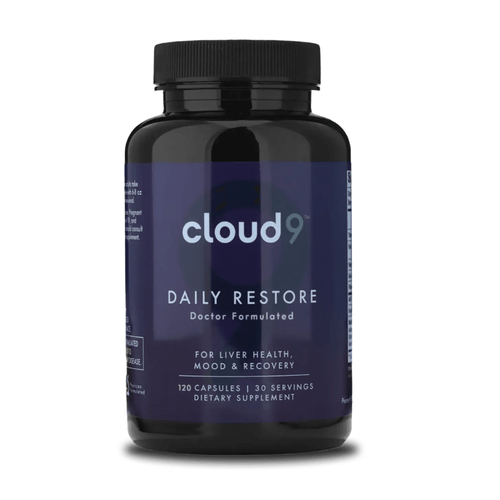
Cloud9 Daily Restore combines NAC, DHM, milk thistle, B vitamins, and ashwagandha to help support the pathways alcohol can tax most. Two capsules daily, drinking or not.
NAC | DHM | Milk Thistle | B Vitamins | Ashwagandha
See How Daily Restore WorksThe Foundation: Essential Nutrients for Mental Health Support
Building a supplement routine starts with understanding which nutrients alcohol depletes most aggressively and which have the strongest evidence for mood support.
B-Complex Vitamins: Your Brain's Operating System
B vitamins are arguably the most critical supplements for drinkers. They play essential roles in energy production, neurotransmitter synthesis, and methylation (a process crucial for mood regulation). Alcohol particularly depletes B1 (thiamine), B6, B9 (folate), and B12.
Research suggests that B vitamin deficiency correlates strongly with depression, anxiety, and cognitive impairment. Supplementing with a high-quality B-complex can help restore these levels. Look for methylated forms (like methylfolate and methylcobalamin) for better absorption, especially if you drink regularly.
- B1 (Thiamine): Supports nerve function and energy metabolism, often severely depleted in regular drinkers
- B6 (Pyridoxine): Essential for serotonin and GABA production, directly impacts mood stability
- B9 (Folate): Crucial for methylation and neurotransmitter synthesis, deficiency linked to depression
- B12 (Cobalamin): Supports nerve health and cognitive function, absorption impaired by alcohol
Magnesium: The Calming Mineral
Magnesium is involved in over 300 enzymatic reactions in your body, including those that regulate your stress response and neurotransmitter function. Alcohol increases magnesium excretion through urine, and studies show that up to 30% of people who drink regularly have low magnesium levels.
Low magnesium correlates with anxiety, irritability, poor sleep, and heightened stress reactivity. Supplementing with magnesium glycinate or magnesium threonate (forms that cross the blood-brain barrier effectively) may help calm an overactive nervous system and improve sleep quality.
Omega-3 Fatty Acids: Brain Structure and Function
Your brain is nearly 60% fat, and omega-3 fatty acids (particularly EPA and DHA) are critical structural components of brain cell membranes. These fats support neurotransmitter receptor function and reduce neuroinflammation, which research suggests plays a significant role in depression and anxiety.
Alcohol consumption is associated with lower omega-3 levels and increased inflammation. Supplementing with high-quality fish oil (or algae oil for plant-based options) providing at least 1000mg combined EPA and DHA daily may support mood regulation and cognitive function.
The Complete Supplement Routine for Mood Stability
Here's a practical, evidence-based supplement routine designed specifically for people who drink regularly and want to support their mental health.
| Supplement | Dosage | Timing | Primary Benefit |
|---|---|---|---|
| B-Complex (methylated) | 1 capsule (50-100mg B vitamins) | Morning with food | Neurotransmitter production, energy |
| Magnesium Glycinate | 300-400mg elemental magnesium | Evening before bed | Stress regulation, sleep quality |
| Omega-3 (EPA/DHA) | 1000-2000mg combined | With largest meal | Brain structure, inflammation |
| N-Acetyl Cysteine (NAC) | 600-1200mg | Morning, empty stomach | Glutamate regulation, cravings |
| L-Theanine | 200-400mg | As needed for anxiety | Calm focus, anxiety reduction |
NAC: The Underrated Game-Changer
N-acetyl cysteine deserves special attention. This amino acid derivative supports glutathione production (your body's master antioxidant) and helps regulate glutamate, the neurotransmitter that becomes dysregulated with regular drinking. Research suggests NAC may reduce alcohol cravings and support impulse control.
Studies have shown that NAC supplementation can help restore glutamate balance in people with substance use patterns. Many people report clearer thinking, reduced cravings, and better emotional regulation within a few weeks of starting NAC.
L-Theanine: Calm Without Sedation
L-theanine is an amino acid found in tea that promotes relaxation without drowsiness. It increases alpha brain waves (associated with calm alertness) and supports GABA production. For drinkers dealing with anxiety or using alcohol to "take the edge off," L-theanine can provide a healthier alternative.
You can take L-theanine as needed during stressful moments or regularly throughout the day. It's particularly useful in the late afternoon or early evening when cravings tend to spike.
How to Implement Your Routine (and Actually Stick With It)
Having the right supplements is only half the battle. Consistency matters more than perfection, and a few practical strategies can help you build a sustainable routine.
Start Simple and Build Gradually
Don't try to implement everything at once. Start with a quality B-complex and magnesium for two weeks. These two supplements address the most common deficiencies and often produce noticeable improvements in energy and sleep quality relatively quickly.
Once those feel established in your routine, add omega-3s. Then consider NAC and L-theanine based on your specific needs. This gradual approach helps you identify what's actually making a difference and prevents supplement overwhelm.
The goal isn't perfection. It's giving your brain consistent access to the nutrients it needs to maintain baseline function. Even imperfect adherence is better than nothing, especially when you're working against alcohol's depleting effects.
Timing and Absorption Tips
How you take supplements matters as much as what you take. Fat-soluble vitamins (like vitamin D if you add it) and omega-3s absorb best with food containing fat. B vitamins can cause mild nausea on an empty stomach, so take them with breakfast.
Magnesium is best taken in the evening since it can promote relaxation and improve sleep quality. NAC works best on an empty stomach for maximum absorption. Keep a simple schedule written down until it becomes automatic.
- Set phone reminders for morning and evening supplements until the habit forms
- Use a weekly pill organizer to prepare doses in advance and track adherence
- Keep supplements visible on your counter or nightstand, not hidden in a cabinet
- Pair supplement-taking with an existing habit like morning coffee or brushing teeth
What to Expect and When
Realistic expectations prevent premature disappointment. Supplements aren't psychiatric medications and won't produce dramatic overnight changes. However, research suggests most people notice gradual improvements within 2-4 weeks of consistent use.
You might first notice better sleep quality or slightly improved energy. Mood stability and reduced anxiety often take longer, sometimes 4-6 weeks. This timeline makes sense because you're addressing deficiencies that likely developed over months or years.
What This Routine Can (and Can't) Do
Let's be honest about realistic outcomes. A supplement routine can help stabilise mood, reduce anxiety, improve sleep, and support better cognitive function for people who drink regularly. It addresses nutritional deficiencies that directly impact mental health.
What it can't do is override the fundamental neurochemical effects of regular alcohol consumption. If you're drinking heavily every day, supplements provide damage control but won't eliminate alcohol's impact on your mood and mental health. They're a support tool, not a complete solution.
When to Consider Additional Support
Supplements work best as part of a broader approach to mental health. If you're experiencing severe depression, suicidal thoughts, or anxiety that interferes with daily functioning, professional mental health support should be your first priority, not supplements.
Similarly, if you find yourself needing to drink to feel normal or experience withdrawal symptoms when you don't drink, you may be dealing with physical dependence that requires medical evaluation and support beyond nutritional supplementation.
How Daily Restore Supports Your Health
Understanding what your body needs is one thing. Getting consistent daily support is another. Daily Restore was designed to address the key pathways alcohol can stress most, in one simple daily formula.
NAC (N-Acetyl Cysteine)
Supports glutathione production and antioxidant defenses
DHM (Dihydromyricetin)
Supports alcohol metabolism
Milk Thistle (Silymarin)
Supports healthy liver function
B Vitamins
Help replenish nutrients involved in energy and metabolism
Ashwagandha
Supports stress resilience and healthy cortisol balance
Daily Restore is not a detox or a cure. It is a daily support formula designed for people who drink socially and want to give their body consistent, evidence-informed support.
Frequently Asked Questions
How long does it take for supplements to improve mood after drinking?
Most people notice initial changes within 1-2 weeks of consistent supplementation, though optimal benefits typically develop over 4-6 weeks as nutrient levels rebuild. The timeline varies depending on individual deficiency levels and drinking patterns, but regular use tends to show progressive improvements in mood stability and energy.
Can I take these supplements on the same day I drink alcohol?
Yes, taking supplements like B vitamins, magnesium, and NAC on drinking days can help support your body's natural recovery processes. Many people find it helpful to take their supplements with breakfast or lunch, then continue their routine the following day regardless of alcohol consumption.
Will supplements replace the need to cut back on drinking?
Supplements can help manage some of the nutritional impacts of alcohol, but they work best as part of a balanced approach that includes mindful drinking habits. While quality supplementation may support mood and resilience, reducing alcohol intake often provides the most significant mental health benefits when combined with nutritional support.
Are there any side effects to taking these supplements daily?
Most people tolerate B vitamins, magnesium, and NAC well when taken at recommended doses. Some individuals may experience mild digestive changes initially, which often resolve within a few days. Starting with lower doses and taking supplements with food can help minimize any temporary adjustments.
Do I need to take supplements forever, or just when I'm drinking regularly?
The duration depends on your individual needs and lifestyle. Many people benefit from ongoing supplementation even during periods of reduced drinking, as modern diets and stress can create deficiencies independent of alcohol. Consistent daily use tends to provide more stable mood support than sporadic supplementation.
The Bottom Line
Alcohol's impact on mental health goes far beyond the occasional hangover. Regular drinking creates a cycle of nutrient depletion that directly affects mood stability, anxiety levels, and emotional resilience. Understanding this connection is the first step toward breaking the pattern.
A targeted supplement routine focused on B vitamins, magnesium, and NAC can help address the specific deficiencies that alcohol creates. Research suggests these nutrients support neurotransmitter production, reduce oxidative stress, and help restore the biochemical balance that drinking disrupts. While supplements aren't a magic solution, they can provide meaningful support when used consistently.
Cloud9's Daily Restore was designed specifically for this purpose: a science-backed formula that delivers these key nutrients in clinically relevant doses. Rather than juggling multiple bottles or guessing at proper ratios, you get comprehensive support in one simple daily routine.
The most important factor is consistency. Whether you're looking to support your mood during social drinking periods or rebuild your baseline after years of regular consumption, daily supplementation combined with mindful lifestyle choices can help you feel more stable, energized, and like yourself again.
Build Your Daily Support Routine
Build Your Daily Support Routine
If drinking is part of your lifestyle, your support routine should not be random. Daily Restore was designed to help social drinkers support liver health, antioxidant defenses, alcohol metabolism, nutrient replenishment, and daily recovery in one simple routine.
NAC
DHM
Milk Thistle
B Vitamins
Ashwagandha