

You wake up feeling off. Not quite hungover, but your mind is racing, your mood is low, and that familiar wave of post-drinking anxiety settles in. It's not just you: alcohol disrupts brain chemistry in ways that can leave you feeling mentally drained for days.
The good news? Exercise can help speed up your mental recovery. Movement the day after drinking may support your brain's natural healing process, helping you feel more balanced, focused, and emotionally stable faster.
Here's what science suggests about why exercise works and how to use it strategically when you need it most.
Quick Take
- Alcohol depletes brain chemicals like serotonin and dopamine, contributing to next-day anxiety and low mood
- Exercise triggers endorphin release and supports neurotransmitter balance, which can help counter alcohol's mental effects
- Light to moderate movement is most effective for recovery: walking, yoga, or easy cardio work better than intense workouts
- Timing matters: exercising within 12-24 hours after drinking may provide the greatest mental health benefits
- Pairing movement with hydration and nutrient support creates a more complete recovery strategy
Why Alcohol Disrupts Your Mental State
When you drink, alcohol alters the delicate balance of neurotransmitters in your brain. It initially boosts GABA (a calming chemical) and suppresses glutamate (an excitatory one), which is why you feel relaxed at first. But as your body processes the alcohol, this balance swings in the opposite direction.
The result is a neurochemical rebound: elevated glutamate creates feelings of anxiety and overstimulation, while depleted serotonin and dopamine leave you feeling low, unmotivated, or emotionally fragile. Research suggests this disruption can persist for 24 to 48 hours or longer, depending on how much you drank.
This isn't just a "hangover." It's a measurable shift in brain chemistry that affects mood, focus, sleep quality, and emotional regulation. The more you drink or the more frequently you drink, the more pronounced these mental effects tend to become.
Daily Support for Social Drinkers
Your liver works hard every day. Give it consistent support.
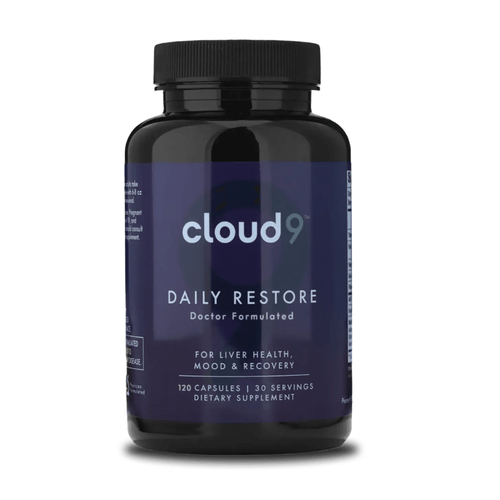
Cloud9 Daily Restore combines NAC, DHM, milk thistle, B vitamins, and ashwagandha to help support the pathways alcohol can tax most. Two capsules daily, drinking or not.
NAC | DHM | Milk Thistle | B Vitamins | Ashwagandha
See How Daily Restore WorksHow Exercise Supports Mental Recovery After Drinking
Exercise is one of the most effective natural tools for restoring brain chemistry. When you move your body, several processes kick in that can directly counter alcohol's mental effects.
Endorphin Release and Mood Stabilization
Physical activity triggers the release of endorphins, your brain's natural feel-good chemicals. Studies show that even moderate exercise can improve mood and reduce feelings of anxiety within minutes. This can be particularly helpful when you're dealing with post-drinking emotional lows.
Exercise also supports the production of brain-derived neurotrophic factor (BDNF), a protein that helps protect and repair brain cells. Research suggests that regular movement may help your brain recover faster from the oxidative stress that alcohol creates.
Cortisol Regulation and Stress Response
Alcohol consumption elevates cortisol, your primary stress hormone. Elevated cortisol contributes to that jittery, anxious feeling many people experience the day after drinking. Exercise helps regulate cortisol levels, bringing them back into a healthier range.
Light to moderate movement appears to be most effective for cortisol balance. Intense exercise can temporarily spike cortisol further, which is why gentler activities often feel better when you're recovering.
Improved Sleep Quality
While alcohol might help you fall asleep initially, it disrupts REM sleep and overall sleep architecture. Poor sleep compounds mental health challenges the next day. Exercise has been shown to improve sleep quality, particularly when done earlier in the day.
This creates a positive cycle: better movement supports better sleep, which in turn supports better mental recovery.

What Type of Exercise Works Best for Recovery
Not all movement is created equal when it comes to mental recovery after drinking. The goal isn't to punish yourself with a brutal workout. It's to support your body's natural healing process.
Light Cardio: Walking, Swimming, or Cycling
Gentle cardiovascular exercise gets your blood flowing without overtaxing your system. A 20-30 minute walk outside can be particularly effective, combining movement with fresh air and natural light, both of which support mood regulation.
Swimming is another excellent option because it's low-impact and the water can feel soothing when you're not feeling your best. Easy cycling works similarly, providing steady movement without intense strain.
Yoga and Stretching
Yoga combines physical movement with breath work and mindfulness, all of which have been shown to reduce anxiety and support mental clarity. Research suggests that even a short yoga session can lower cortisol and improve mood states.
Stretching and gentle mobility work can also help release physical tension that often accompanies mental stress after drinking.
What to Avoid
High-intensity interval training (HIIT), heavy weightlifting, or any exercise that significantly elevates your heart rate for extended periods may do more harm than good when you're recovering. These activities can increase dehydration, spike cortisol further, and leave you feeling more depleted.
Listen to your body. If something feels too hard, it probably is.
Timing and Strategy: When to Exercise for Maximum Mental Benefit
The timing of your post-drinking exercise can influence how effective it is for mental recovery. Research suggests that movement within the first 12-24 hours after drinking may provide the most significant benefits.
Morning Movement
If you can manage it, morning exercise can help jumpstart your recovery. Early movement exposes you to natural light, which supports circadian rhythm regulation and mood. It also sets a positive tone for the day, giving you a sense of accomplishment when you might otherwise feel defeated.
Start small. Even 10 minutes counts. You can always do more if you feel better as you go.
Hydration First
Before you exercise, prioritize rehydration. Alcohol is a diuretic, meaning it causes fluid loss that contributes to both physical and mental symptoms. Drink at least 16-20 ounces of water before you start moving, and keep sipping throughout.
Adding electrolytes can help restore the minerals you've lost. Sodium, potassium, and magnesium all play roles in nerve function and mood regulation.
Listen to Your Body's Signals
Some days, your body might genuinely need rest more than movement. If you feel dizzy, nauseous, or extremely fatigued, gentle stretching or a short walk might be your upper limit. That's okay. The goal is support, not punishment.
The mental benefits of exercise after drinking aren't about earning your way back to feeling okay. They're about giving your brain the chemical support it needs to restore balance naturally.
Building a Complete Recovery Strategy
Exercise is powerful, but it works best as part of a broader approach to mental and physical recovery after drinking. Combining movement with other supportive practices creates a more complete healing environment for your brain.
Nutrition and Brain Support
What you eat after drinking matters for mental health. Alcohol depletes B vitamins, particularly B6 and B12, which are essential for neurotransmitter production. It also reduces levels of amino acids like tryptophan and tyrosine that your brain needs to make serotonin and dopamine.
Focus on nutrient-dense foods that support brain chemistry:
- Eggs (rich in choline and B vitamins)
- Leafy greens (magnesium and folate)
- Fatty fish or walnuts (omega-3s for brain health)
- Berries (antioxidants to counter oxidative stress)
- Complex carbohydrates (support serotonin production)
Sleep Optimization
Even though alcohol disrupts sleep the night you drink, you can take steps to improve your sleep quality the following night. Avoid caffeine after 2 PM, create a cool, dark sleeping environment, and consider a short meditation or breathing exercise before bed.
Better sleep accelerates mental recovery significantly. Studies show that restorative sleep helps clear metabolic waste from the brain and restore neurotransmitter balance.
Mindfulness and Stress Management
The mental discomfort after drinking often includes intrusive thoughts, rumination, or heightened emotional reactivity. Mindfulness practices can help you observe these experiences without getting caught in them.
Even five minutes of focused breathing or a brief body scan meditation can provide relief. Apps, guided videos, or simply sitting quietly and noticing your breath all work.
When to Consider Additional Support
If you find that your mental health struggles after drinking are frequent, severe, or interfering with your daily life, it may be worth exploring additional support. This could include speaking with a therapist, evaluating your relationship with alcohol, or considering supplements specifically designed to support recovery.
You don't have to manage this alone. Professional guidance can help you develop strategies that work for your unique situation and goals.
How Daily Restore Supports Your Health
Understanding what your body needs is one thing. Getting consistent daily support is another. Daily Restore was designed to address the key pathways alcohol can stress most, in one simple daily formula.
NAC (N-Acetyl Cysteine)
Supports glutathione production and antioxidant defenses
DHM (Dihydromyricetin)
Supports alcohol metabolism
Milk Thistle (Silymarin)
Supports healthy liver function
B Vitamins
Help replenish nutrients involved in energy and metabolism
Ashwagandha
Supports stress resilience and healthy cortisol balance
Daily Restore is not a detox or a cure. It is a daily support formula designed for people who drink socially and want to give their body consistent, evidence-informed support.
Frequently Asked Questions
Is it safe to exercise with a hangover?
Light to moderate exercise is generally safe and can help support recovery, but it's important to listen to your body. If you're experiencing severe symptoms like dizziness, nausea, or dehydration, rest and rehydration should come first. Start with gentle movement and scale up only if you feel comfortable.
How long should I wait after drinking before exercising?
Most people benefit from waiting at least 12 hours after their last drink before engaging in moderate exercise. This gives your body time to process the alcohol and begin rehydrating. For intense workouts, waiting 24 hours or more may be more appropriate, especially after heavier drinking sessions.
What type of exercise is best for recovery after drinking?
Low-impact activities like walking, gentle yoga, swimming, or cycling at an easy pace tend to work best for day-after recovery. These activities can help boost circulation and mood without placing excessive demands on your already stressed system. Save high-intensity workouts for when you're fully recovered.
Can exercise help with anxiety after drinking?
Research suggests that gentle exercise can help reduce post-drinking anxiety, often called "hangxiety," by supporting the release of mood-regulating neurotransmitters. Movement can also help break the cycle of rumination and provide a sense of accomplishment. Combined with proper hydration and nutrition, exercise may offer meaningful support for mental wellbeing after alcohol consumption.
Should I take supplements before or after exercising with a hangover?
Taking supplements that support hydration, liver function, and mood balance before gentle exercise can help optimize your recovery. Cloud9's Daily Restore contains nutrients like milk thistle, DHM, and B vitamins that may support your body's natural recovery processes. Consistency matters more than timing, so making supplementation part of your daily routine can provide ongoing support.
The Bottom Line
The day after drinking doesn't have to mean writing off your entire routine. Gentle, intentional movement can support both physical and mental recovery by helping your body process what remains in your system, boosting your mood, and restoring a sense of normalcy. The key is listening to your body and choosing activities that feel supportive rather than punishing.
Recovery from alcohol isn't just about surviving the morning after. It's about supporting your body's natural processes day in and day out, whether you drank the night before or not. When you combine smart movement choices with proper hydration, nutrition, and targeted supplementation, you're giving yourself the best chance at feeling good consistently.
Cloud9's Daily Restore was designed for exactly this purpose: to support your liver, brain, and overall wellbeing on a daily basis. With ingredients like milk thistle for liver support, DHM to help with alcohol's effects, and mood-supporting nutrients like L-theanine and magnesium, it's meant to work with your body's recovery systems every single day. Think of it as part of your consistent wellness routine, not just a reactive measure.
Whether you're someone who drinks occasionally or regularly, building habits that support both physical and mental health can make a real difference in how you feel. Movement, mindful supplementation, and self-awareness all work together to help you show up as your best self, one day at a time.
Build Your Daily Support Routine
Build Your Daily Support Routine
If drinking is part of your lifestyle, your support routine should not be random. Daily Restore was designed to help social drinkers support liver health, antioxidant defenses, alcohol metabolism, nutrient replenishment, and daily recovery in one simple routine.
NAC
DHM
Milk Thistle
B Vitamins
Ashwagandha