

You stayed hydrated, paced yourself, and still woke up feeling like you'd been hit by a truck. The culprit might not be how much you drank, but how poorly you slept afterward. Research suggests that the quality of your sleep after drinking plays a massive role in how terrible you feel the next morning.
Most people blame hangovers entirely on dehydration or alcohol toxicity. While those factors matter, disrupted sleep compounds everything. Your body needs quality rest to process alcohol and repair the damage, but alcohol actively sabotages the restorative sleep stages your system desperately needs.
Understanding this connection can help you make smarter choices about recovery. Better sleep after drinking won't eliminate a hangover, but it can significantly reduce the severity of symptoms and help you bounce back faster.
Quick Take
- Alcohol disrupts REM sleep, the stage crucial for mental recovery and cognitive function
- Poor sleep quality amplifies classic hangover symptoms like headaches, nausea, and brain fog
- Your body processes alcohol during sleep, but disrupted rest slows down toxin clearance
- Sleep deprivation and hangovers create a compounding effect that makes you feel exponentially worse
- Strategic sleep optimization before and after drinking can meaningfully reduce next-day misery
Why Alcohol Destroys Sleep Quality
Alcohol might make you drowsy initially, but it wreaks havoc on your sleep architecture once you're out. Studies show that even moderate drinking significantly reduces REM sleep, the stage where your brain processes emotions, consolidates memories, and performs essential cognitive maintenance. You might fall asleep faster, but you're robbing yourself of the restorative rest your body needs most.
As your liver metabolizes alcohol throughout the night, your body experiences a rebound effect. Blood sugar fluctuates, stress hormones like cortisol spike, and you cycle through lighter sleep stages more frequently. This fragmentation means more nighttime awakenings and less time in deep sleep, even if you're not consciously aware of waking up.
The diuretic effect of alcohol compounds the problem. Frequent trips to the bathroom disrupt sleep continuity, and dehydration triggers physical discomfort that keeps you tossing and turning. Your body is simultaneously trying to detoxify, rehydrate, and rest, creating a perfect storm of poor sleep quality.
Daily Support for Social Drinkers
Your liver works hard every day. Give it consistent support.
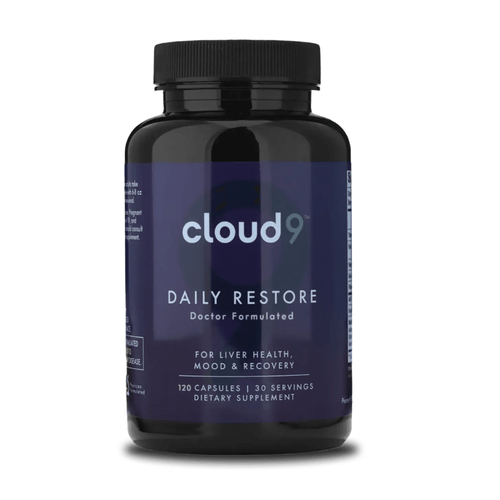
Cloud9 Daily Restore combines NAC, DHM, milk thistle, B vitamins, and ashwagandha to help support the pathways alcohol can tax most. Two capsules daily, drinking or not.
NAC | DHM | Milk Thistle | B Vitamins | Ashwagandha
See How Daily Restore WorksThe Sleep-Hangover Connection: More Than Just Tiredness
Poor sleep quality doesn't just make you tired the next day. It directly amplifies every classic hangover symptom you're trying to avoid. When your brain doesn't get adequate REM sleep, cognitive functions like focus, decision-making, and emotional regulation take a serious hit.
How Sleep Deprivation Worsens Hangover Symptoms
Research suggests that sleep deprivation and alcohol create a synergistic negative effect. Your body is dealing with inflammation from alcohol metabolism while simultaneously managing the stress response triggered by inadequate rest. This dual assault makes symptoms feel more intense than either factor would cause alone.
- Headaches intensify because sleep deprivation increases pain sensitivity and inflammation
- Nausea worsens due to disrupted circadian rhythms affecting digestive function
- Mental fog becomes severe when your brain lacks REM sleep for memory consolidation
- Mood swings amplify as emotional regulation centers remain under-recovered
- Physical weakness increases because muscles miss critical deep sleep repair time
The Metabolic Bottleneck
Your liver processes alcohol at a relatively fixed rate, about one standard drink per hour. During sleep, this detoxification process continues, but poor sleep quality can slow overall metabolic function. Your body needs energy and resources to clear acetaldehyde, the toxic byproduct that causes many hangover symptoms.
When sleep is fragmented, your system operates less efficiently. Cellular repair mechanisms that normally work overtime during deep sleep stages get shortchanged. This means toxins linger longer, inflammation persists, and recovery takes more time than it should.
Measuring the Impact: Sleep Stages and Recovery
Not all sleep is created equal, especially after drinking. Understanding which stages get disrupted helps explain why you can sleep for eight hours and still wake up feeling wrecked. Your body cycles through different sleep stages throughout the night, each serving specific recovery functions.
Sleep Architecture After Drinking
| Sleep Stage | Normal Function | Impact After Drinking |
|---|---|---|
| Light Sleep | Transition and body temperature regulation | Increased time spent here, more awakenings |
| Deep Sleep | Physical repair, immune function, energy restoration | Initially enhanced, then disrupted in second half of night |
| REM Sleep | Memory consolidation, emotional processing, brain detox | Severely suppressed, especially in first sleep cycles |
| Sleep Continuity | Uninterrupted cycles for maximum restoration | Fragmented with frequent micro-awakenings |
The Second-Half Sleep Disruption
One of alcohol's cruelest tricks happens in the early morning hours. As your blood alcohol level drops to zero, your body experiences a rebound effect that severely disrupts sleep quality. You might notice yourself waking up repeatedly between 3 and 6 AM, unable to fall back into restful sleep.
This timing is particularly problematic because REM sleep naturally increases during the second half of the night. When alcohol disrupts this pattern, you miss out on the very sleep stages most critical for mental recovery and cognitive function.
The difference between a manageable hangover and a debilitating one often comes down to whether you got any quality REM sleep. Your brain needs those final sleep cycles to process the previous day and prepare for the next one.
Strategies to Improve Sleep Quality After Drinking
You can't completely undo alcohol's effects on sleep, but you can take steps to minimize the damage. Strategic interventions before bed and environmental optimization can help you capture more restorative sleep than you'd otherwise get.
Pre-Sleep Optimization
What you do in the hours before bed matters significantly for sleep quality. Research suggests that certain practices can help counteract some of alcohol's disruptive effects, though nothing replaces simply drinking less or allowing more time for metabolism.
- Stop drinking at least 2-3 hours before bed to allow blood alcohol levels to start dropping
- Hydrate strategically with water or electrolyte drinks between your last drink and bedtime
- Eat something with complex carbohydrates and healthy fats to stabilize blood sugar
- Take a cool shower to lower body temperature, which promotes deeper sleep onset
- Avoid screens and bright lights to preserve natural melatonin production
Sleep Environment Adjustments
Your bedroom setup becomes even more critical when alcohol is in your system. Small environmental changes can help compensate for the physiological disruptions alcohol causes throughout the night.
- Keep your room cooler than usual (65-68°F) since alcohol raises body temperature
- Use blackout curtains to prevent early morning light from waking you prematurely
- Place water within easy reach to hydrate without fully waking during night trips
- Run a white noise machine to mask sounds that might wake you during lighter sleep stages
- Elevate your head slightly if you're prone to acid reflux, which alcohol can trigger
Morning Recovery Protocols
When you inevitably wake up feeling less than refreshed, how you manage the first few hours matters. Supporting your body's continued recovery process can help minimize symptom severity and duration.
- Resist the urge to check your phone immediately, giving your brain time to transition gently
- Rehydrate with water and electrolytes before reaching for coffee
- Expose yourself to natural sunlight to help reset disrupted circadian rhythms
- Eat a balanced breakfast with protein and healthy fats to stabilize blood sugar
- Consider a short walk or gentle movement to boost circulation without overexertion
Long-Term Sleep and Drinking Patterns
Occasional poor sleep after drinking is one thing, but regular disruption creates cumulative effects. If you drink frequently, even moderate amounts can chronically impair sleep quality and compound into serious health issues over time.
The Cumulative Sleep Debt
Each night of alcohol-disrupted sleep adds to your overall sleep debt. Unlike a single bad night that you can recover from relatively quickly, repeated disruptions prevent your body from ever catching up fully. Studies show that chronic sleep restriction impairs cognitive function, mood regulation, and physical health in ways that persist even when you think you've adapted.
Your tolerance to feeling tired doesn't mean your body has adjusted. You might function on poor sleep after drinking regularly, but biomarkers of stress, inflammation, and metabolic dysfunction continue accumulating beneath the surface.
Breaking the Cycle
If you notice patterns of poor sleep following drinking, strategic changes to your habits can help. This doesn't necessarily mean eliminating alcohol entirely, but being more intentional about timing, quantity, and recovery practices.
- Schedule alcohol-free days each week to allow full sleep recovery cycles
- Front-load drinking earlier in the evening when possible, giving more metabolism time
- Reduce quantity on nights before important next-day commitments
- Pay attention to which types of alcohol affect your sleep most severely
- Prioritize sleep hygiene on non-drinking nights to build a stronger baseline
How Daily Restore Supports Your Health
Understanding what your body needs is one thing. Getting consistent daily support is another. Daily Restore was designed to address the key pathways alcohol can stress most, in one simple daily formula.
NAC (N-Acetyl Cysteine)
Supports glutathione production and antioxidant defenses
DHM (Dihydromyricetin)
Supports alcohol metabolism
Milk Thistle (Silymarin)
Supports healthy liver function
B Vitamins
Help replenish nutrients involved in energy and metabolism
Ashwagandha
Supports stress resilience and healthy cortisol balance
Daily Restore is not a detox or a cure. It is a daily support formula designed for people who drink socially and want to give their body consistent, evidence-informed support.
Frequently Asked Questions
Does drinking water before bed actually help with hangover symptoms?
Drinking water before bed can help reduce dehydration, which is one factor that contributes to hangover discomfort. However, water alone doesn't address the sleep disruption or metabolic processes that alcohol triggers. Combining hydration with nutrients that support liver function and cellular recovery may offer more comprehensive support.
How many hours of sleep do I need after drinking to avoid a hangover?
The issue isn't just quantity, it's quality. Even if you sleep for 8 hours after drinking, alcohol disrupts your REM and deep sleep cycles, which means you're not getting truly restorative rest. Most people need at least 7 to 9 hours of uninterrupted, quality sleep to feel recovered, but alcohol can prevent that even with adequate time in bed.
Why do I wake up so early after a night of drinking?
Alcohol initially acts as a sedative, but as your body metabolizes it during the night, there's often a rebound effect that causes lighter, more fragmented sleep. This can lead to early morning awakenings and difficulty falling back asleep. Your body is also working hard to process alcohol byproducts, which can further disrupt your sleep cycles.
Can taking vitamins before bed prevent hangover symptoms?
Certain nutrients can support your body's natural recovery processes when taken before bed. B vitamins, electrolytes, and antioxidants like glutathione may help your liver process alcohol byproducts more efficiently and support cellular repair during sleep. While they won't eliminate the effects of alcohol entirely, they can help reduce the severity of next-day symptoms.
Is it better to take hangover supplements before drinking or before bed?
Taking supplements before drinking can give your body a head start on processing alcohol, while taking them before bed supports overnight recovery when your body does most of its repair work. For optimal support, consider taking supplements at both times: a dose before your first drink and another before sleep to support continuous recovery throughout the night.
The Bottom Line
Poor sleep quality after drinking isn't just a side effect of alcohol, it's one of the main reasons hangovers feel so terrible. When alcohol disrupts your sleep cycles and prevents your body from getting the deep, restorative rest it needs, you wake up feeling exhausted, foggy, and worse overall. Understanding this connection is the first step toward feeling better the morning after.
While the best way to avoid hangover symptoms is to drink in moderation or not at all, supporting your body's natural recovery processes can make a meaningful difference. Staying hydrated, eating before drinking, and giving yourself enough time for sleep all help, but they may not be enough on their own when alcohol has already disrupted your system.
That's where Cloud9 Daily Restore comes in. With a research-backed blend of DHM, glutathione, B vitamins, and electrolytes, Daily Restore is designed to support your liver function, cellular recovery, and hydration throughout the night. By taking it before your first drink and again before bed, you're giving your body the tools it needs to process alcohol more efficiently and support better recovery while you sleep.
Making Daily Restore part of your routine means you're not just reacting to hangovers, you're proactively supporting your body's natural processes every time you drink. Because feeling your best tomorrow starts with what you do tonight.
Build Your Daily Support Routine
Build Your Daily Support Routine
If drinking is part of your lifestyle, your support routine should not be random. Daily Restore was designed to help social drinkers support liver health, antioxidant defenses, alcohol metabolism, nutrient replenishment, and daily recovery in one simple routine.
NAC
DHM
Milk Thistle
B Vitamins
Ashwagandha