

You're careful about not drinking and driving. You never show up to work hungover. You might even skip the wine on weeknights. But what if the drinks you had last Saturday are still affecting the choices you're making on Tuesday?
Most of us think alcohol's impact ends when the hangover fades. Research suggests otherwise. The cognitive effects of social drinking can linger well beyond the immediate aftermath, subtly influencing everything from workplace decisions to relationship choices.
Understanding this extended timeline isn't about judgment. It's about making informed choices when you know how alcohol really works in your brain.
Quick Take
- Alcohol disrupts neurotransmitter balance for 3-5 days after drinking, affecting impulse control and risk assessment
- Even moderate social drinking can impair executive function during the recovery period, when you feel completely "normal"
- Decision-making quality decreases by up to 20% in the days following alcohol consumption, according to cognitive testing
- Sleep disruption from weekend drinking extends cognitive impairment through the following week
- Your brain's reward system remains altered for days, making you more likely to seek immediate gratification over long-term goals
The Hidden Timeline of Alcohol's Cognitive Impact
When you drink, alcohol doesn't just affect you in the moment. It sets off a cascade of neurochemical changes that can take days to fully resolve. While your blood alcohol level returns to zero within hours, your brain chemistry is still working to restore balance long after.
Studies show that alcohol disrupts the delicate equilibrium between excitatory and inhibitory neurotransmitters, particularly glutamate and GABA. This imbalance doesn't flip back like a light switch. Your brain needs time to recalibrate, and during this recovery period, your decision-making centers are operating at less than full capacity.
The prefrontal cortex, which governs executive function, planning, and impulse control, can remain subtly impaired for 3-5 days following moderate to heavy drinking. You won't feel drunk or even foggy, but your cognitive performance tells a different story.
Daily Support for Social Drinkers
Your liver works hard every day. Give it consistent support.
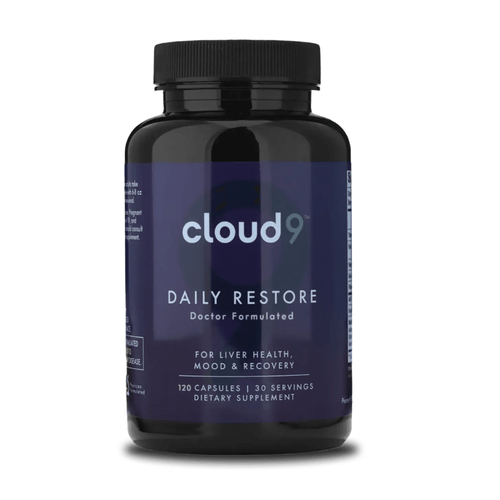
Cloud9 Daily Restore combines NAC, DHM, milk thistle, B vitamins, and ashwagandha to help support the pathways alcohol can tax most. Two capsules daily, drinking or not.
NAC | DHM | Milk Thistle | B Vitamins | Ashwagandha
See How Daily Restore WorksWhy You Feel Fine But Your Brain Isn't
Here's the tricky part: you feel completely normal. The headache is gone, energy has returned, and you're back to your usual routine. But research suggests that subjective recovery and neurological recovery operate on different timelines.
Your brain has become remarkably efficient at masking subtle deficits. You compensate without realizing it, relying more heavily on habits and automatic responses rather than deliberate, careful decision-making.
The Cognition Gap
This is what researchers call the "cognition gap," the period when you believe you're functioning at 100% but cognitive testing reveals otherwise. During this window, you're more likely to make choices you wouldn't normally make.
The gap affects several key areas:
- Risk assessment becomes skewed, with decreased perception of potential negative outcomes
- Impulse control weakens, making it harder to resist immediate temptations
- Working memory capacity drops, affecting your ability to hold and manipulate information
- Planning and sequencing abilities decline, impacting complex task management
The Sleep Connection
Alcohol significantly disrupts sleep architecture, particularly REM sleep, which is crucial for emotional regulation and cognitive processing. Even if you get your usual eight hours after drinking, the quality isn't the same.
This sleep debt compounds over multiple nights. Studies show that a single night of drinking can disrupt sleep patterns for up to three subsequent nights, creating a ripple effect that extends the cognitive impairment well beyond the initial consumption.
How This Shows Up in Real Life
The effects aren't abstract. They show up in measurable ways throughout your week, often in situations where you need your sharpest thinking.
Workplace Decisions
Research suggests that professionals who engage in weekend drinking show decreased performance on complex decision-making tasks early in the work week. This includes reduced ability to evaluate multiple options, increased reliance on familiar solutions rather than innovative thinking, and greater difficulty with tasks requiring sustained attention.
You might find yourself more easily frustrated with challenging projects. Or you might make quick decisions on important matters that would normally warrant more careful consideration. These aren't dramatic failures, they're subtle shifts that accumulate over time.
Financial and Personal Choices
Studies tracking spending behavior have found interesting patterns. People are more likely to make impulsive purchases in the days following drinking, even when completely sober. The same applies to diet choices, exercise commitment, and relationship decisions.
The brain's reward system doesn't reset overnight. For days after drinking, you're neurologically primed to favor short-term rewards over long-term benefits, even in situations completely unrelated to alcohol.
Social and Emotional Regulation
Your ability to regulate emotions and respond appropriately to social situations can remain compromised. You might notice increased irritability, reduced patience, or difficulty reading social cues accurately.
These changes affect relationship dynamics in subtle ways. You're more likely to react defensively, less likely to consider alternative perspectives, and may struggle with empathy during this recovery window.
The Cumulative Effect of Regular Social Drinking
If you drink socially every weekend, your brain may never fully return to baseline. The recovery period from Saturday's drinks extends into Thursday, and by Friday or Saturday, you're drinking again before complete neurological recovery has occurred.
This creates a pattern where your decision-making capabilities are consistently operating below optimal levels. You adapt to this as your "normal," but it's actually a chronically compromised state.
Understanding Your Personal Timeline
| Drinking Pattern | Recovery Timeline | Decision-Making Impact |
|---|---|---|
| 1-2 drinks | 24-48 hours | Minimal but measurable decrease in complex problem-solving |
| 3-4 drinks | 2-3 days | Reduced impulse control, increased risk-taking behavior |
| 5+ drinks | 3-5 days | Significant impairment in executive function, planning, emotional regulation |
| Weekly heavy drinking | Incomplete between episodes | Chronic baseline impairment, reduced cognitive reserve |
What You Can Do About It
Awareness is the first step. Understanding that your decision-making capacity fluctuates based on your drinking patterns allows you to make strategic choices about when to drink and when to abstain.
Consider these practical approaches:
- Schedule important decisions, presentations, or negotiations for times when you're at full cognitive capacity
- Build in longer recovery windows before critical events or challenging work periods
- Track your own patterns to understand how drinking affects your specific performance and mood
- Experiment with alcohol-free periods to establish your true baseline and notice the difference
- Use decision-making frameworks and checklists during recovery periods to compensate for reduced executive function
The Brain's Recovery Process
Your brain is remarkably resilient. Given adequate time and the right support, it can fully recover from the effects of social drinking. The key is understanding what actually helps versus what we think helps.
What Genuinely Supports Cognitive Recovery
Research points to several factors that can help speed neurological recovery and restore decision-making capacity. Quality sleep is paramount, even though it may be disrupted initially. Hydration supports neurotransmitter function and helps clear metabolic byproducts.
Physical activity can accelerate recovery by promoting neuroplasticity and improving cerebral blood flow. Nutrient-dense foods provide the building blocks your brain needs to repair and rebalance. Time remains the most critical factor, and there's no real shortcut to complete recovery.
When to Be Extra Cautious
Certain situations deserve special consideration during the post-drinking recovery window. Major financial decisions, relationship conversations, career choices, and conflict resolution all benefit from optimal cognitive function.
If possible, delay these decisions until you're outside the recovery window. If that's not feasible, build in extra safeguards like consulting trusted advisors, using structured decision-making tools, or implementing a waiting period before finalizing choices.
How Daily Restore Supports Your Health
Understanding what your body needs is one thing. Getting consistent daily support is another. Daily Restore was designed to address the key pathways alcohol can stress most, in one simple daily formula.
NAC (N-Acetyl Cysteine)
Supports glutathione production and antioxidant defenses
DHM (Dihydromyricetin)
Supports alcohol metabolism
Milk Thistle (Silymarin)
Supports healthy liver function
B Vitamins
Help replenish nutrients involved in energy and metabolism
Ashwagandha
Supports stress resilience and healthy cortisol balance
Daily Restore is not a detox or a cure. It is a daily support formula designed for people who drink socially and want to give their body consistent, evidence-informed support.
Frequently Asked Questions
How long does it take for your brain to fully recover after drinking alcohol?
Recovery timelines vary depending on drinking patterns and individual factors, but research suggests that cognitive function can remain impaired for several days after your last drink. For those who drink regularly, it may take weeks or even months of abstinence for the brain to return to baseline functioning, particularly in areas related to decision-making and impulse control.
Can moderate social drinking really affect my judgment days later?
Yes, even moderate drinking can have lingering effects on cognitive function. Studies show that alcohol disrupts neurotransmitter balance and can reduce prefrontal cortex activity for 48-72 hours or longer after consumption. This means that weekend drinking may still be influencing your workplace decisions on Tuesday or Wednesday.
What nutrients help support brain recovery after drinking?
Research suggests that B vitamins (particularly B1, B6, and B12), magnesium, and antioxidants like NAC and milk thistle can help support neurological health and liver function during recovery. These nutrients may help replenish what alcohol depletes and support the brain's natural repair processes, though they work best as part of a consistent daily routine rather than a quick fix.
Is there a safe amount of alcohol that won't affect my decision-making?
While individual tolerance varies, current research indicates that any amount of alcohol consumption can temporarily alter brain chemistry and cognitive function. The effects are dose-dependent, meaning more drinks typically lead to longer-lasting impairment, but even small amounts can have measurable impacts on judgment and impulse control in the days following consumption.
How can I protect my cognitive function if I choose to drink socially?
Supporting your body with proper hydration, nutrient-rich foods, quality sleep, and targeted supplementation can help minimize alcohol's impact on decision-making. Taking a daily supplement designed to support recovery processes, spacing out drinking occasions to allow for full recovery, and being mindful of important decisions scheduled in the days after drinking can all help protect your cognitive performance.
The Bottom Line
The relationship between social drinking and decision-making extends far beyond the night of consumption. Research consistently shows that alcohol's effects on your prefrontal cortex, neurotransmitter balance, and overall brain chemistry can persist for days, quietly influencing everything from workplace choices to financial decisions to relationship dynamics.
Understanding these lingering effects empowers you to make more informed choices about when and how much you drink, especially before important meetings, major decisions, or high-stakes situations. It also highlights the importance of consistent recovery support rather than reactive damage control.
Cloud9's Daily Restore offers a science-backed approach to supporting your brain and body through the demands of social drinking. With essential nutrients like DHM, NAC, milk thistle, and a comprehensive B-vitamin complex, Daily Restore helps replenish what alcohol depletes and supports your body's natural recovery processes. Rather than waiting until the morning after, taking Daily Restore as part of your daily routine provides ongoing support for clearer thinking and better decision-making.
Whether you're navigating regular social events or simply want to protect your cognitive performance, investing in consistent recovery support can help you show up as your sharpest, most focused self, even when life includes the occasional toast with friends.
Build Your Daily Support Routine
Build Your Daily Support Routine
If drinking is part of your lifestyle, your support routine should not be random. Daily Restore was designed to help social drinkers support liver health, antioxidant defenses, alcohol metabolism, nutrient replenishment, and daily recovery in one simple routine.
NAC
DHM
Milk Thistle
B Vitamins
Ashwagandha