

That next-day panic attack after a few drinks isn't just in your head. When alcohol floods your system, it throws your brain's calming chemicals into chaos, especially a crucial neurotransmitter called GABA. The result? Hangxiety that can feel worse than the physical hangover itself.
Understanding what happens to your GABA levels during and after drinking is the first step toward real hangxiety help. When you know why your brain chemistry gets disrupted, you can take targeted steps to restore balance naturally.
This guide breaks down the alcohol-GABA connection and offers practical strategies to support your nervous system recovery. Whether you're dealing with occasional morning-after anxiety or looking to protect your brain health long-term, these approaches can help.
Quick Take
- Alcohol initially boosts GABA activity, creating relaxation, but your brain compensates by reducing natural GABA production and sensitivity
- When alcohol leaves your system, GABA levels crash while stress chemicals spike, triggering intense anxiety and restlessness
- GABA restoration takes 24-48 hours naturally, but targeted supplements and nutrients can support faster recovery
- L-theanine, magnesium, and B vitamins help restore neurotransmitter balance without further disrupting brain chemistry
- Consistent sleep, hydration, and stress management strengthen your GABA system's resilience over time
Why Alcohol Disrupts Your GABA System
GABA (gamma-aminobutyric acid) is your brain's primary calming neurotransmitter. It acts like a brake pedal for your nervous system, reducing neural activity and creating feelings of relaxation and calm. When GABA levels are balanced, you feel centered and can manage stress effectively.
Alcohol mimics GABA's effects by binding to the same receptors in your brain. This is why that first drink creates such immediate relaxation. Research suggests that alcohol enhances GABA activity while simultaneously suppressing glutamate, your brain's main excitatory neurotransmitter, creating a powerful sedative effect.
The problem is that your brain constantly works to maintain equilibrium. When alcohol artificially boosts GABA activity, your brain responds by downregulating GABA receptors and reducing natural GABA production. This adaptation happens quickly, even within hours of drinking.
Daily Support for Social Drinkers
Your liver works hard every day. Give it consistent support.
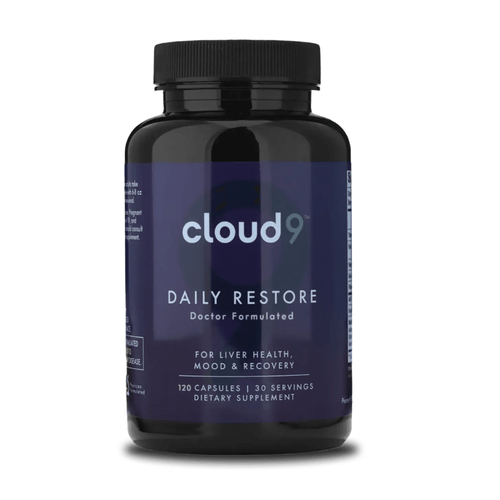
Cloud9 Daily Restore combines NAC, DHM, milk thistle, B vitamins, and ashwagandha to help support the pathways alcohol can tax most. Two capsules daily, drinking or not.
NAC | DHM | Milk Thistle | B Vitamins | Ashwagandha
See How Daily Restore WorksThe Hangxiety Rebound: What Happens When GABA Crashes
As alcohol metabolizes out of your system, you're left with a brain that has significantly reduced GABA activity and hypersensitive stress response systems. This chemical imbalance is the biological foundation of hangxiety.
The Timeline of GABA Disruption
Understanding when your brain chemistry shifts can help you anticipate and manage hangxiety symptoms more effectively. The GABA crash follows a predictable pattern.
- During drinking (0-4 hours): GABA activity increases, glutamate decreases, creating artificial calm and reduced inhibitions
- Late night (4-8 hours): Brain begins compensating by reducing GABA sensitivity and ramping up glutamate production
- Morning after (8-16 hours): Alcohol clears but GABA remains suppressed while glutamate spikes, triggering peak anxiety
- Recovery phase (16-48 hours): GABA receptors slowly return to normal sensitivity, anxiety gradually subsides
Physical Signs Your GABA System Is Depleted
Low GABA doesn't just create mental anxiety. Your entire nervous system becomes hypersensitive when this neurotransmitter drops. Recognizing these physical symptoms can validate what you're experiencing.
| Symptom | How It Feels |
|---|---|
| Racing heart | Elevated resting heart rate, palpitations, awareness of heartbeat |
| Muscle tension | Tight jaw, clenched shoulders, overall body rigidity |
| Sensory sensitivity | Normal sounds and lights feel overwhelming and irritating |
| Restlessness | Can't sit still, constant need to move or fidget |
| Sleep disruption | Trouble falling back asleep, light fragmented sleep, vivid dreams |
The severity of hangxiety isn't always proportional to how much you drank. Individual brain chemistry, baseline anxiety levels, sleep quality, and nutritional status all influence how dramatically your GABA system gets disrupted.
Natural Strategies to Restore GABA After Drinking
Your brain will eventually restore GABA balance on its own, but you can support and potentially speed up this process. These evidence-based approaches work with your natural recovery mechanisms rather than introducing additional chemical disruptions.
Immediate Recovery Support (First 24 Hours)
The first day after drinking is when GABA depletion hits hardest. Focus on strategies that calm your nervous system and provide the raw materials your brain needs to rebuild neurotransmitter stores.
- Hydration with electrolytes: Alcohol depletes minerals essential for neurotransmitter function, especially magnesium and potassium
- Protein-rich breakfast: Amino acids from eggs, Greek yogurt, or lean meat provide building blocks for GABA synthesis
- Gentle movement: Light walking or stretching helps metabolize stress hormones without overtaxing your depleted system
- Avoid caffeine initially: Coffee further stimulates already-overactive glutamate pathways, potentially worsening anxiety
- Cool environment: Lower temperatures can help calm an overactive nervous system and reduce physical anxiety symptoms
Key Nutrients and Supplements for GABA Restoration
Certain compounds have strong research support for their ability to enhance GABA activity or provide precursors for GABA production. These work through different mechanisms, so combining them can offer comprehensive support.
L-theanine (200-400mg): This amino acid from tea increases GABA levels while also boosting other calming neurotransmitters. Studies suggest it can reduce anxiety within 30-60 minutes without causing drowsiness. It's particularly effective when GABA receptors are depleted because it works through multiple pathways.
Magnesium glycinate (300-400mg): Magnesium binds to GABA receptors and enhances their activity while also calming the nervous system through other mechanisms. Alcohol depletes magnesium significantly, making supplementation especially relevant for hangxiety. The glycinate form is well-absorbed and less likely to cause digestive upset.
B-complex vitamins: B6 is a direct cofactor in GABA synthesis, while B1 and B3 support overall neurotransmitter production. Alcohol interferes with B vitamin absorption and storage, creating deficiencies that impair GABA restoration. A quality B-complex taken in the morning can support recovery.
Taurine (500-1000mg): This amino acid enhances GABA receptor activity and may help stabilize overactive neural firing. Research suggests taurine can reduce anxiety-related behaviors and support nervous system recovery after stress.
Foods That Support GABA Production
While you can't directly increase brain GABA through diet (GABA from food doesn't cross the blood-brain barrier efficiently), certain foods provide the nutrients and precursors your brain needs to produce its own GABA.
- Fermented foods: Kimchi, sauerkraut, and kefir contain bacteria that produce GABA in your gut, which may influence brain chemistry through the gut-brain axis
- Green tea: Provides L-theanine naturally, along with modest caffeine for gentle alertness without jitters
- Nuts and seeds: Almonds, walnuts, and sunflower seeds offer magnesium, B vitamins, and healthy fats that support neurotransmitter synthesis
- Leafy greens: Spinach and kale provide glutamic acid, the amino acid precursor to GABA, plus folate and magnesium
- Whole grains: Brown rice and oats offer sustained energy and B vitamins without blood sugar spikes that can worsen anxiety
Protecting Your GABA System Long-Term
If you experience hangxiety regularly, focusing on baseline GABA health between drinking episodes can reduce the severity of future crashes. A resilient GABA system bounces back faster and maintains better balance overall.
Building GABA Resilience Between Episodes
Consistent sleep schedule: GABA is crucial for sleep initiation and quality. Chronic sleep disruption depletes GABA reserves and makes your system more vulnerable to alcohol-induced crashes. Prioritizing 7-9 hours of sleep strengthens your neurochemical foundation.
Regular stress management: Chronic stress continuously drains GABA as your brain works overtime to calm anxiety. Practices like meditation, deep breathing, or yoga help maintain healthy baseline GABA levels. Research suggests that regular meditation can actually increase GABA concentrations in the brain.
Moderate exercise routine: Physical activity initially depletes neurotransmitters but triggers adaptive increases in GABA receptor density and sensitivity over time. Regular exercise creates a more robust GABA system that recovers faster from disruptions.
When to Consider Reducing Alcohol Frequency
Repeated GABA disruption can create lasting changes in brain chemistry. If you're experiencing any of these patterns, your GABA system may need extended recovery time.
| Warning Sign | What It Indicates |
|---|---|
| Anxiety lasting 3+ days after drinking | Prolonged GABA receptor downregulation requiring longer recovery |
| Increasing baseline anxiety even when not drinking | Cumulative depletion of GABA reserves without adequate restoration time |
| Needing alcohol to feel normal or calm | Dependence developing as brain relies on external GABA stimulation |
| Worsening hangxiety despite same drinking amount | Decreased GABA system resilience from repeated disruption |
| Sleep problems persisting between drinking episodes | Chronic GABA deficiency affecting core regulatory functions |
Taking breaks of at least 3-4 days between drinking episodes allows your GABA system to fully recover and prevents the cumulative depletion that leads to worsening hangxiety over time. Some people find that spacing drinks out to once weekly or less dramatically improves their mental health and reduces anxiety symptoms overall.
How Daily Restore Supports Your Health
Understanding what your body needs is one thing. Getting consistent daily support is another. Daily Restore was designed to address the key pathways alcohol can stress most, in one simple daily formula.
NAC (N-Acetyl Cysteine)
Supports glutathione production and antioxidant defenses
DHM (Dihydromyricetin)
Supports alcohol metabolism
Milk Thistle (Silymarin)
Supports healthy liver function
B Vitamins
Help replenish nutrients involved in energy and metabolism
Ashwagandha
Supports stress resilience and healthy cortisol balance
Daily Restore is not a detox or a cure. It is a daily support formula designed for people who drink socially and want to give their body consistent, evidence-informed support.
Frequently Asked Questions
How long does it take for GABA levels to return to normal after drinking?
GABA levels typically begin to rebalance within 24 to 48 hours after drinking, though this timeline varies based on how much you drank, your individual metabolism, and your overall nervous system health. Supporting your body with proper hydration, rest, and calming nutrients during this window can help smooth the recovery process.
Can taking GABA supplements help with hangxiety immediately?
While GABA supplements may offer some support, research suggests that GABA molecules don't cross the blood-brain barrier easily when taken orally. That's why formulas like Daily Restore use precursors and cofactors such as L-theanine, magnesium, and B vitamins that work with your body's natural GABA production pathways rather than relying on direct supplementation alone.
Does hangxiety mean I have an anxiety disorder?
Not necessarily. Hangxiety is a physiological response to alcohol's effect on your neurotransmitter balance, and many people who don't typically experience anxiety can feel it after drinking. However, if you have an existing anxiety condition, you may be more sensitive to these shifts and experience more intense symptoms during alcohol withdrawal.
What's the best way to prevent hangxiety before it starts?
Prevention strategies include drinking in moderation, staying well-hydrated, eating before and while you drink, and maintaining consistent nervous system support through daily habits like quality sleep, stress management, and nutrient-rich supplementation. Building a strong baseline of GABA function before you drink can help minimize the rebound anxiety effect.
Is it safe to take Daily Restore while drinking or the morning after?
Daily Restore is designed for consistent daily use to support your nervous system over time, not as an acute hangover remedy. While the ingredients are generally safe, it's best used as part of your regular wellness routine rather than mixed with alcohol or taken sporadically after drinking.
The Bottom Line
Hangxiety isn't just in your head. It's a real neurochemical response triggered by alcohol's interference with your GABA system. When you drink, your brain temporarily floods with calming signals, then rebounds with anxiety as those artificial supports disappear and your natural GABA production struggles to catch up.
The good news is that you can support your nervous system's resilience with targeted nutrients, consistent lifestyle habits, and smart supplementation. Daily Restore is formulated to work with your body's natural calming pathways, providing the building blocks your brain needs to maintain healthy GABA function day after day, not just when you're in recovery mode.
Think of it as preventive support rather than a quick fix. By nourishing your nervous system consistently, you're building a foundation that can better handle occasional stress, whether that comes from a night out, a hectic work week, or just the demands of everyday life. When your GABA system is well-supported, you're better equipped to bounce back with less disruption and discomfort.
Supporting your mental wellness doesn't have to be complicated. With the right combination of self-care, mindful choices around alcohol, and daily nutritional support, you can help keep hangxiety from derailing your mornings and your mood.
Build Your Daily Support Routine
Build Your Daily Support Routine
If drinking is part of your lifestyle, your support routine should not be random. Daily Restore was designed to help social drinkers support liver health, antioxidant defenses, alcohol metabolism, nutrient replenishment, and daily recovery in one simple routine.
NAC
DHM
Milk Thistle
B Vitamins
Ashwagandha