

You wake up after a night out, and instead of just a headache and nausea, you're hit with a wave of dread. Your mind races through every conversation from last night, every text you sent, every laugh that now feels too loud. This isn't just a hangover. It's hangxiety, and if you're in your 30s or 40s, you've probably noticed it's gotten significantly worse.
The anxiety that follows drinking doesn't affect everyone equally, and age plays a bigger role than most people realize. What used to be a mild morning-after discomfort can evolve into hours or even days of crushing worry, regret, and physical unease. Understanding why this happens and what you can do about it can help you make better decisions for your mental health.
Whether you're looking to cut back, quit entirely, or simply navigate social situations with less aftermath, there are practical strategies that can help. Let's explore why hangxiety intensifies as we age and what actually works to manage it.
Quick Take
- Hangxiety worsens in your 30s and 40s due to changes in brain chemistry, hormone shifts, and decreased alcohol tolerance
- Alcohol disrupts GABA and glutamate balance, creating a rebound anxiety effect that intensifies with age
- Recovery takes longer as metabolism slows, meaning anxiety symptoms can persist for 24-48 hours or more
- Practical strategies include hydration, sleep prioritization, blood sugar management, and setting clear drinking limits
- If hangxiety is impacting your quality of life, it may be time to reassess your relationship with alcohol
What Exactly Is Hangxiety and Why Does It Feel So Bad?
Hangxiety is the collision of physical hangover symptoms with intense anxiety, worry, and sometimes panic. While you're dealing with dehydration, fatigue, and nausea, your brain is also flooded with stress signals that can make you feel like something terrible is about to happen. Research suggests this isn't just in your head, it's a documented physiological response to alcohol withdrawal.
When you drink, alcohol initially acts as a depressant, boosting GABA (a calming neurotransmitter) and suppressing glutamate (an excitatory neurotransmitter). Your brain feels relaxed, social inhibitions drop, and stress fades. But as alcohol leaves your system, your brain overcompensates, glutamate surges and GABA drops, creating a neurochemical rebound that triggers anxiety, racing thoughts, and heightened emotional sensitivity.
For some people, this rebound is mild. For others, especially those with existing anxiety or a family history of mood disorders, it can be debilitating. The emotional fallout can include rumination, shame spirals, and an overwhelming sense of doom that feels entirely disproportionate to what actually happened the night before.
Daily Support for Social Drinkers
Your liver works hard every day. Give it consistent support.
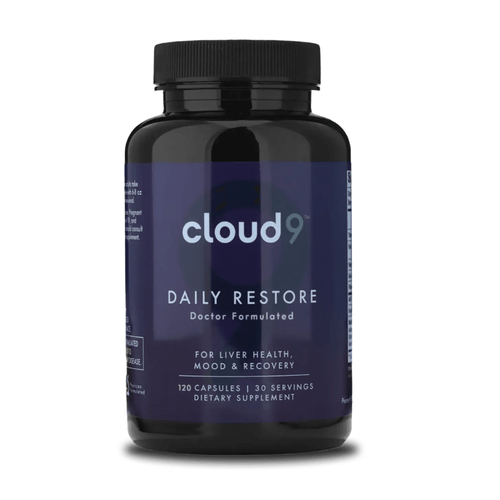
Cloud9 Daily Restore combines NAC, DHM, milk thistle, B vitamins, and ashwagandha to help support the pathways alcohol can tax most. Two capsules daily, drinking or not.
NAC | DHM | Milk Thistle | B Vitamins | Ashwagandha
See How Daily Restore WorksWhy Hangxiety Gets Worse in Your 30s and 40s
If you've noticed that hangovers hit differently now than they did in your 20s, you're not imagining it. Several physiological and lifestyle factors converge as we age, making both the physical and psychological aftermath of drinking more intense.
Your Brain Chemistry Changes With Age
As we get older, our brains become more sensitive to alcohol's disruption of neurotransmitter balance. Studies show that the rebound effect, where glutamate floods the system after drinking, becomes more pronounced with age. This means the anxiety spike you experience the next day can be sharper and longer-lasting than it was when you were younger.
Additionally, chronic stress, which tends to accumulate through your 30s and 40s, can prime your nervous system to be more reactive. If you're already running on a baseline of elevated cortisol from work, family responsibilities, or life pressures, alcohol's impact on your stress response becomes amplified.
Metabolism and Recovery Slow Down
Your liver's ability to process alcohol decreases with age. Enzymes that break down alcohol become less efficient, meaning toxins like acetaldehyde linger longer in your system. This extended processing time translates to prolonged hangover symptoms, including the anxiety component.
Recovery from any stressor, including alcohol, also takes longer as we age. Where you might have bounced back in 12 hours during your 20s, you might now need 48 hours or more to feel mentally and physically normal again. That extended window means more time spent in a state of heightened anxiety and emotional vulnerability.
Hormonal Shifts Play a Role
Both men and women experience hormonal changes through their 30s and 40s that can intensify hangxiety. For women, fluctuations in estrogen and progesterone, especially during perimenopause, can affect how the brain responds to alcohol and stress. Estrogen influences serotonin production, and when levels drop, anxiety becomes more likely.
For men, gradual declines in testosterone can affect mood regulation and stress resilience. These hormonal shifts don't just affect how you feel day-to-day, they also change how your body and brain recover from alcohol consumption.
Life Stress Compounds the Problem
The responsibilities that come with being in your 30s and 40s, careers, mortgages, relationships, children, aging parents, create a constant background hum of stress. When you drink, you're not just dealing with alcohol's chemical effects. You're also processing all of these real-life concerns through the lens of a compromised stress response system.
This means that the worry you feel the morning after isn't always irrational. Your brain may genuinely be trying to process legitimate concerns, but it's doing so while chemically impaired and emotionally dysregulated. The result is an amplified sense of dread that can feel impossible to shake.
What Actually Helps: Practical Strategies for Managing Hangxiety
While the best way to avoid hangxiety is to drink less or not at all, there are evidence-based strategies that can help reduce its intensity when it does occur. These approaches address both the physical recovery process and the psychological component of post-drinking anxiety.
Before and During Drinking
- Set a clear limit before you start drinking and stick to it. Deciding in advance, when you're clearheaded, helps prevent the "just one more" spiral.
- Alternate alcoholic drinks with water or electrolyte beverages. Dehydration significantly worsens both physical hangover symptoms and anxiety.
- Eat a substantial meal with protein, fat, and complex carbs before drinking. This slows alcohol absorption and helps stabilize blood sugar.
- Choose drinks with fewer congeners (byproducts of fermentation). Clear spirits generally cause less severe hangovers than dark liquors or red wine.
- Pace yourself to one standard drink per hour, giving your liver time to process alcohol as you consume it.
The Morning After: Physical Recovery First
Your brain's anxiety response is partly driven by physical distress signals. Addressing dehydration, blood sugar crashes, and sleep debt can significantly reduce the psychological symptoms of hangxiety.
- Rehydrate immediately with water and electrolytes, not just coffee. Dehydration worsens anxiety and cognitive fog.
- Eat something with protein and healthy fats within an hour of waking. Blood sugar instability can trigger panic-like symptoms.
- Take a B-complex vitamin and magnesium. Alcohol depletes these nutrients, which are crucial for nervous system function.
- Get gentle movement if possible. A short walk can help metabolize stress hormones and boost mood-regulating neurotransmitters.
- Avoid jumping straight into stressful tasks. Give yourself permission to take it easy while your nervous system recalibrates.
The morning after drinking, your brain is essentially in a state of hyperarousal. Everything feels more urgent, more threatening, and more catastrophic than it actually is. Recognizing this as a temporary chemical state, not reality, can help you ride it out with more self-compassion.
Managing the Anxiety Component
Even when you're addressing the physical recovery, the anxiety itself needs attention. These strategies target the psychological symptoms directly.
- Practice grounding techniques like the 5-4-3-2-1 method (name 5 things you see, 4 you can touch, 3 you hear, 2 you smell, 1 you taste) to interrupt rumination.
- Avoid checking your phone for "evidence" of embarrassing behavior. This usually feeds anxiety rather than resolving it.
- Reach out to a trusted friend, not to rehash the night, but for connection and reassurance.
- Remind yourself that this is temporary and chemical. Hangxiety typically peaks within 12-24 hours and then subsides.
- If intrusive thoughts are overwhelming, write them down to externalize them, then set the list aside to address when you're thinking more clearly.
Long-Term Strategies for Prevention
If hangxiety has become a regular occurrence, it may be time to examine your drinking patterns and make sustainable changes. These aren't about willpower or restriction, they're about aligning your choices with how your body and brain actually function now.
| Strategy | How It Helps |
|---|---|
| Alcohol-free days each week | Gives your brain and liver consistent recovery time, reducing cumulative stress on your nervous system |
| Track patterns and triggers | Helps identify which situations, emotions, or types of drinking lead to worse hangxiety |
| Establish a lower "new normal" | Reduces overall alcohol load and may prevent crossing the threshold into severe hangxiety |
| Build non-drinking social rituals | Creates connection and relaxation without relying on alcohol's effects |
| Address underlying anxiety | Treating baseline anxiety makes you less vulnerable to alcohol's rebound effect |
When Hangxiety Is a Sign of Something Bigger
For some people, frequent or severe hangxiety is a signal that their relationship with alcohol has shifted into problematic territory. This doesn't necessarily mean dependence or addiction, but it does suggest that alcohol is causing more harm than benefit in your life.
Red Flags to Watch For
Certain patterns suggest it might be time to take a serious break from drinking or seek professional support. These include drinking to cope with stress or anxiety, finding it difficult to stick to limits you've set, experiencing guilt or shame about your drinking regularly, or noticing that alcohol is interfering with your relationships, work, or wellbeing.
If you're drinking despite repeated negative consequences, including severe hangxiety, this is worth exploring with a healthcare provider or therapist who specializes in substance use. There's no shame in recognizing that what worked for you in your 20s no longer serves you now.
The Underlying Anxiety Factor
Sometimes hangxiety reveals an underlying anxiety disorder that was being temporarily masked by alcohol. If you experience significant anxiety even when you're not drinking, or if your baseline worry has been increasing over time, addressing the root anxiety can make a substantial difference.
Cognitive behavioral therapy, mindfulness practices, and in some cases medication can help regulate your nervous system in ways that make you less vulnerable to alcohol's destabilizing effects. Working with a mental health professional to develop better anxiety management tools often naturally leads to healthier drinking patterns or the decision to cut back significantly.
Considering a Break or Cutting Back Permanently
Taking an extended break from alcohol, whether 30 days, 90 days, or longer, can provide valuable information about how much of your baseline anxiety was actually being influenced by regular drinking. Many people are surprised to discover that their overall mental health improves dramatically without alcohol in the picture.
This doesn't mean you can never drink again, but it does mean you have data to make an informed choice. Some people return to occasional drinking with much stricter boundaries. Others realize they simply feel better without it and choose to stay alcohol-free. Both outcomes are valid, and neither requires identifying as having a "drinking problem" in the traditional sense.
How Daily Restore Supports Your Health
Understanding what your body needs is one thing. Getting consistent daily support is another. Daily Restore was designed to address the key pathways alcohol can stress most, in one simple daily formula.
NAC (N-Acetyl Cysteine)
Supports glutathione production and antioxidant defenses
DHM (Dihydromyricetin)
Supports alcohol metabolism
Milk Thistle (Silymarin)
Supports healthy liver function
B Vitamins
Help replenish nutrients involved in energy and metabolism
Ashwagandha
Supports stress resilience and healthy cortisol balance
Daily Restore is not a detox or a cure. It is a daily support formula designed for people who drink socially and want to give their body consistent, evidence-informed support.
Frequently Asked Questions
Why does hangxiety feel worse as I get older?
As you age, your body produces less of the enzymes needed to break down alcohol efficiently, which can lead to longer-lasting impacts on brain chemistry and neurotransmitter balance. Additionally, cumulative stress, hormonal changes, and increased life responsibilities in your 30s and 40s can amplify anxiety responses after drinking.
How long does hangxiety typically last?
Hangxiety can last anywhere from a few hours to a full day or more, depending on factors like how much you drank, your age, metabolism, and overall health. For some people in their 30s and 40s, the anxiety symptoms may persist even longer than the physical hangover effects.
Can supplements really help with hangxiety?
Research suggests that certain supplements, including magnesium, B vitamins, and adaptogens like ashwagandha, may support your body's stress response and help restore balance to neurotransmitter systems affected by alcohol. While they're not a cure, quality supplements can be a helpful part of a comprehensive approach to managing hangxiety when combined with hydration, rest, and mindful drinking habits.
Is hangxiety a sign I should stop drinking entirely?
Hangxiety alone doesn't necessarily mean you need to quit drinking, but it can be a signal that your body is responding differently to alcohol than it used to. If you're experiencing severe anxiety after drinking or if it's affecting your daily life and relationships, it may be worth reassessing your relationship with alcohol and considering reduced consumption or alcohol-free alternatives.
What's the best way to prevent hangxiety before it starts?
The most effective prevention strategies include drinking less overall, staying well-hydrated throughout the evening, eating before and while drinking, and avoiding mixing different types of alcohol. Supporting your body with stress-reducing supplements daily, rather than just on drinking occasions, can also help maintain more stable brain chemistry and resilience.
The Bottom Line
Hangxiety isn't just in your head, and it's not a sign of weakness. The physiological changes that happen as you move through your 30s and 40s mean your body and brain respond differently to alcohol than they used to. Understanding the science behind why this happens can help you make more informed choices about when and how much you drink.
The good news is that you don't have to choose between enjoying social occasions and feeling good the next day. Simple strategies like moderating your intake, staying hydrated, prioritizing sleep, and supporting your body with the right nutrients can make a significant difference in how you feel after drinking.
Cloud9's Daily Restore was designed specifically with these challenges in mind. By providing targeted support for stress response, neurotransmitter balance, and overall nervous system health, it can help create a foundation of resilience that may reduce the intensity of hangxiety when it strikes. The combination of magnesium, B vitamins, and adaptogens works together to support your body's natural ability to maintain calm and balance.
Remember, the best approach is one that's sustainable for you. Whether that means drinking less, taking breaks from alcohol, or building a daily routine that supports your mental and physical wellbeing, small consistent changes can lead to meaningful improvements in how you feel, both on Sunday mornings and every other day of the week.
Build Your Daily Support Routine
Build Your Daily Support Routine
If drinking is part of your lifestyle, your support routine should not be random. Daily Restore was designed to help social drinkers support liver health, antioxidant defenses, alcohol metabolism, nutrient replenishment, and daily recovery in one simple routine.
NAC
DHM
Milk Thistle
B Vitamins
Ashwagandha