

You know that familiar morning-after feeling: your head pounds, your mouth feels like sandpaper, and even rolling over takes effort. You've tried water, coffee, greasy food, maybe even a questionable "hair of the dog" approach. But here's what most people miss: your body is dealing with a serious amino acid deficit.
When alcohol metabolizes in your system, it doesn't just leave you dehydrated. It depletes critical building blocks your body needs to function, repair cells, and produce the neurotransmitters that regulate your mood and energy. Understanding this connection can transform how you approach recovery.
Let's explore why amino acids might be the missing piece in your hangover remedy toolkit, and how supporting your body's protein synthesis can help you bounce back faster.
Quick Take
- Alcohol metabolism depletes essential amino acids your body needs for energy, mood regulation, and cellular repair
- L-cysteine supports your liver's detoxification process by helping break down acetaldehyde, the toxic byproduct of alcohol
- L-glutamine can help stabilize blood sugar levels and reduce alcohol cravings during recovery
- Taurine and L-carnitine support cellular energy production when your body is running on empty
- Replenishing amino acids alongside hydration and electrolytes addresses multiple pathways of hangover symptoms
What Alcohol Actually Does to Your Amino Acid Levels
When you drink, your liver goes into overdrive processing ethanol. This metabolic emergency requires enormous amounts of amino acids to fuel detoxification enzymes and repair damaged cells. At the same time, alcohol interferes with protein synthesis in your muscles and organs, creating a double hit: increased demand and decreased production.
Research suggests that chronic alcohol consumption significantly depletes stores of glutamine, cysteine, and taurine, among others. Even a single night of heavy drinking can impact these levels for 24 to 48 hours. Your body essentially cannibalizes its own protein stores to handle the toxic load.
This depletion affects everything from your brain chemistry to your gut lining. Low amino acid availability means sluggish neurotransmitter production (hello, anxiety and brain fog), impaired liver function, and reduced capacity to manage inflammation throughout your body.
Daily Support for Social Drinkers
Your liver works hard every day. Give it consistent support.
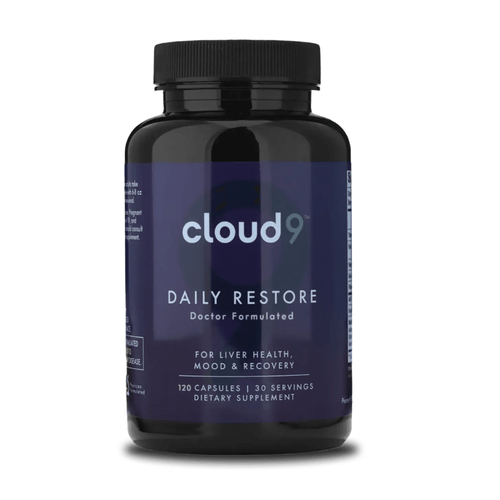
Cloud9 Daily Restore combines NAC, DHM, milk thistle, B vitamins, and ashwagandha to help support the pathways alcohol can tax most. Two capsules daily, drinking or not.
NAC | DHM | Milk Thistle | B Vitamins | Ashwagandha
See How Daily Restore WorksThe Key Amino Acids Your Body Craves After Drinking
L-Cysteine: Your Liver's Best Friend
L-cysteine is a precursor to glutathione, your body's master antioxidant and primary defense against acetaldehyde. Acetaldehyde is the toxic compound created when your liver breaks down alcohol, and it's responsible for many classic hangover symptoms: headache, nausea, rapid heartbeat, and facial flushing.
Studies show that supplementing with L-cysteine before or during drinking may help reduce the severity of hangover symptoms. Your liver uses cysteine to produce more glutathione, which then neutralizes acetaldehyde more efficiently. Think of it as giving your detox system the raw materials it desperately needs.
L-Glutamine: Stabilizing Blood Sugar and Gut Health
Alcohol wreaks havoc on your blood sugar levels, often causing reactive hypoglycemia the morning after. This contributes to shakiness, irritability, and intense carb cravings. L-glutamine can help stabilize blood sugar by serving as an alternative fuel source for your brain and muscles.
Beyond blood sugar, glutamine is the primary fuel for the cells lining your intestines. Alcohol damages this intestinal barrier, contributing to inflammation and that queasy, unsettled feeling in your gut. Replenishing glutamine supports the repair of this crucial protective layer.
Taurine: Supporting Hydration and Energy
Taurine is concentrated in your brain, heart, and muscles, where it helps regulate fluid balance, supports cellular energy production, and protects against oxidative stress. Alcohol depletes taurine stores and increases urinary excretion, compounding dehydration effects.
Research suggests that taurine supplementation may help counteract some neurological effects of alcohol, including the disruption of GABA receptors that contribute to post-drinking anxiety. It also supports cardiovascular function when your heart is working harder to compensate for dehydration and inflammation.

L-Carnitine: Fueling Cellular Energy Production
When you're hungover, your mitochondria (the powerhouses of your cells) are struggling. L-carnitine transports fatty acids into mitochondria where they're burned for energy. Alcohol impairs this process, contributing to that bone-deep fatigue.
Supplementing with L-carnitine may support energy recovery by optimizing fat metabolism when your carbohydrate stores are depleted. It also has neuroprotective properties that can help counter alcohol's effects on brain function.
How Amino Acids Work Together for Hangover Recovery
Individual amino acids are helpful, but they work best as part of a comprehensive recovery strategy. Your body uses amino acids in complex, interconnected pathways. Supporting multiple pathways simultaneously addresses different aspects of hangover physiology.
| Amino Acid | Primary Function | Hangover Symptoms Addressed |
|---|---|---|
| L-Cysteine | Boosts glutathione production | Headache, nausea, toxin buildup |
| L-Glutamine | Blood sugar regulation, gut repair | Shakiness, cravings, digestive upset |
| Taurine | Hydration, neurological support | Anxiety, heart palpitations, brain fog |
| L-Carnitine | Energy metabolism | Fatigue, muscle weakness |
Your body doesn't just need hydration after drinking. It needs the specific building blocks to repair cellular damage, neutralize toxins, and restore normal metabolic function. Amino acids provide those essential building blocks.
The Timing Question: When to Take Amino Acids
The ideal time to support your amino acid levels is actually before and during drinking, not just the morning after. Taking amino acids proactively gives your body resources to handle alcohol metabolism in real-time, potentially preventing some damage before it occurs.
That said, morning-after supplementation still offers benefits. Your body continues processing alcohol metabolites and repairing damage for hours after your last drink. Providing amino acids during this recovery window supports ongoing detoxification and cellular repair processes.
Building Your Amino Acid Recovery Strategy
Food Sources vs. Supplementation
You can obtain amino acids from protein-rich foods, but there's a catch: when you're nauseated and your digestive system is compromised, eating a large meal might be the last thing you want to do. Heavy proteins can also be harder to digest when your gut is inflamed from alcohol.
Strategic supplementation offers a more targeted approach. Free-form amino acids (individual amino acids not bound in protein chains) are rapidly absorbed and don't require extensive digestion. This makes them ideal for times when your system needs support but can't handle a full meal.
What to Look for in Amino Acid Support
Not all amino acid supplements are created equal. Here's what matters when choosing products for hangover recovery:
- Free-form amino acids that are readily bioavailable
- Appropriate dosing of key amino acids (L-cysteine: 600-1200mg, L-glutamine: 3-5g, taurine: 1-2g)
- Additional cofactors like B vitamins that support amino acid metabolism
- Quality manufacturing standards and third-party testing
- Formats that are easy to take when you're not feeling well (dissolvable packets, capsules, etc.)
Combining Amino Acids with Other Hangover Remedies
Amino acids work best as part of a multi-pronged approach to hangover recovery. They address protein and neurotransmitter deficits, but you still need to tackle dehydration, electrolyte imbalance, inflammation, and sleep disruption.
An effective recovery protocol includes hydration with electrolytes, anti-inflammatory support, blood sugar stabilization, and yes, amino acid repletion. Each component addresses different aspects of alcohol's effects on your body. Together, they create a comprehensive recovery strategy that works with your body's natural healing processes.
How Daily Restore Supports Your Health
Understanding what your body needs is one thing. Getting consistent daily support is another. Daily Restore was designed to address the key pathways alcohol can stress most, in one simple daily formula.
NAC (N-Acetyl Cysteine)
Supports glutathione production and antioxidant defenses
DHM (Dihydromyricetin)
Supports alcohol metabolism
Milk Thistle (Silymarin)
Supports healthy liver function
B Vitamins
Help replenish nutrients involved in energy and metabolism
Ashwagandha
Supports stress resilience and healthy cortisol balance
Daily Restore is not a detox or a cure. It is a daily support formula designed for people who drink socially and want to give their body consistent, evidence-informed support.
Frequently Asked Questions
What's the best time to take amino acids for hangover support?
Taking amino acids before bed after drinking can help support your body's recovery processes overnight. If you wake up feeling the effects of alcohol, taking them first thing in the morning may also help support your body's natural restoration needs.
Can amino acids prevent a hangover completely?
No supplement can completely prevent a hangover, especially after heavy drinking. However, amino acids may help support your body's natural recovery processes and replenish nutrients depleted by alcohol. The most effective approach combines moderation, hydration, and proper nutrition.
Do I need to take amino acids only when I drink, or should they be part of my daily routine?
While amino acids can be helpful after drinking, taking them daily may provide broader benefits for overall wellness, muscle recovery, and cellular health. Consistent daily use helps maintain optimal amino acid levels, which may make your body more resilient when occasional stress (like alcohol consumption) occurs.
Are there any side effects to taking amino acids for hangover support?
Amino acids are generally well-tolerated since they're the building blocks your body naturally uses for protein synthesis. Some people may experience mild digestive effects when first introducing them, so it's best to start with the recommended dose and take them with food if needed.
What else should I do besides taking amino acids to recover from drinking?
Hydration is critical, aim to drink plenty of water before, during, and after alcohol consumption. Eating a balanced meal with protein and healthy fats can also help, and getting adequate rest allows your body to focus on recovery and repair processes.
The Bottom Line
When you drink alcohol, your body goes through a complex series of processes that deplete essential nutrients, particularly amino acids. These building blocks play crucial roles in liver function, detoxification, neurotransmitter balance, and cellular repair. Supporting your body with quality amino acids can help address some of the root causes behind how you feel the morning after.
While no supplement can undo the effects of excessive drinking, incorporating amino acids into your routine may help your body recover more efficiently. Research suggests that compounds like cysteine, glutamine, and taurine can support the processes your liver relies on to break down alcohol and its toxic byproducts.
Cloud9's Daily Restore was designed with these recovery needs in mind, combining essential amino acids with supportive nutrients to help your body bounce back from daily stressors, including occasional alcohol consumption. Whether you take it as part of your morning routine or after a night out, consistent amino acid support can be a valuable part of your overall wellness strategy.
Remember that the best approach to avoiding hangovers remains moderation, hydration, and listening to your body. But when you do choose to drink, having the right nutritional support can make a meaningful difference in how you feel and function the next day.
Build Your Daily Support Routine
Build Your Daily Support Routine
If drinking is part of your lifestyle, your support routine should not be random. Daily Restore was designed to help social drinkers support liver health, antioxidant defenses, alcohol metabolism, nutrient replenishment, and daily recovery in one simple routine.
NAC
DHM
Milk Thistle
B Vitamins
Ashwagandha