
You had a great night out, but now you're looking at the clock and dreading tomorrow morning. The good news? What you do in the next hour before bed can make a real difference in how you feel when you wake up.
While your body needs time to process alcohol naturally, research suggests certain strategies can support your liver's detoxification pathways and minimize next-day symptoms. These aren't miracle cures, but they can help your body work more efficiently overnight.
Here's what actually works when you want to give your body the best shot at a better morning.
Quick Take
- Your liver metabolizes alcohol at a fixed rate of roughly one standard drink per hour, but you can support the process with hydration and nutrients
- Drinking 16-20 ounces of water with electrolytes before bed helps counter alcohol's dehydrating effects
- Eating complex carbs and protein provides your liver with glucose and amino acids needed for detoxification
- Certain supplements like NAC, B vitamins, and DHM may support your body's natural alcohol metabolism pathways
- The earlier you start these strategies after your last drink, the more effective they tend to be
Understanding How Your Body Processes Alcohol
Your liver is responsible for breaking down about 90% of the alcohol you consume, with the remaining 10% leaving through your breath, sweat, and urine. The primary enzyme involved, alcohol dehydrogenase (ADH), converts alcohol into acetaldehyde, a toxic compound that contributes significantly to hangover symptoms.
Another enzyme, aldehyde dehydrogenase (ALDH), then converts acetaldehyde into acetate, which your body can process more easily. Research shows this happens at a relatively fixed rate that you can't dramatically speed up, but you can support your body's natural detoxification systems to work more efficiently.
The challenge is that alcohol metabolism depletes key nutrients and causes dehydration, both of which slow down your body's ability to clear toxins and repair cellular damage. Addressing these deficiencies before bed can make a measurable difference.
Daily Support for Social Drinkers
Your liver works hard every day. Give it consistent support.
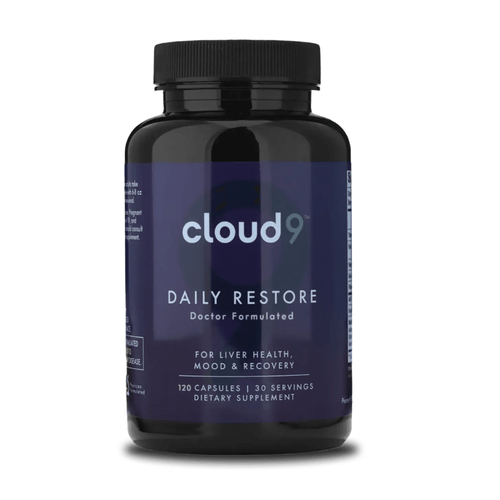
Cloud9 Daily Restore combines NAC, DHM, milk thistle, B vitamins, and ashwagandha to help support the pathways alcohol can tax most. Two capsules daily, drinking or not.
NAC | DHM | Milk Thistle | B Vitamins | Ashwagandha
See How Daily Restore WorksHydration: Your First Line of Defense
Alcohol is a diuretic, meaning it increases urine production and causes your body to lose more fluid than you're taking in. This dehydration is responsible for many classic hangover symptoms like headaches, fatigue, and dizziness.
The Right Way to Rehydrate Before Sleep
Plain water helps, but it's not the complete solution. When you're dehydrated from alcohol, you've lost both fluids and electrolytes, particularly sodium, potassium, and magnesium. Studies suggest that replenishing both is more effective than water alone.
Aim for 16-20 ounces of fluid before bed, but pace yourself to avoid disrupting your sleep with multiple bathroom trips. The ideal approach combines water with electrolyte replacement.
- Coconut water provides natural potassium and electrolytes
- Sports drinks with sodium and glucose can enhance absorption
- Electrolyte tablets or powders offer a concentrated, low-sugar option
- Avoid caffeinated beverages, which can further dehydrate you
Why Timing Matters
The sooner you start hydrating after your last drink, the better. Your body begins experiencing dehydration effects within the first hour of drinking, so waiting until right before bed means you're already behind.
The most effective hangover prevention strategy isn't found in a pill or supplement, it's the simple act of alternating alcoholic drinks with water throughout the evening and following up with proper hydration before sleep.
Strategic Food Choices to Support Metabolism
Eating before bed might seem counterintuitive, but the right foods can provide your liver with the building blocks it needs for detoxification. Research suggests that certain nutrients play crucial roles in alcohol metabolism pathways.
What to Eat Before Sleep
Focus on easily digestible foods that won't sit heavy in your stomach but still provide sustained energy. Your liver needs glucose to fuel the detoxification process, and certain amino acids support enzyme function.
| Food Type | Best Options | Why It Helps |
|---|---|---|
| Complex Carbs | Whole grain toast, oatmeal, crackers | Provides steady glucose for liver function |
| Lean Protein | Eggs, Greek yogurt, turkey | Supplies amino acids for enzyme production |
| Healthy Fats | Avocado, nuts, nut butter | Slows digestion and stabilizes blood sugar |
| Potassium-Rich | Banana, sweet potato | Replenishes key electrolyte lost to alcohol |
Foods to Avoid Before Bed
Some foods can actually make things worse by irritating your already-stressed digestive system or interfering with sleep quality. Skip anything greasy, spicy, or high in refined sugar.
- Greasy fast food can overwhelm your digestion and cause reflux
- Spicy foods may irritate your stomach lining, which alcohol has already compromised
- Sugary snacks can cause blood sugar spikes and crashes during the night
- Heavy, hard-to-digest meals can disrupt sleep and make nausea worse
Supplements That May Support Alcohol Metabolism
While no supplement can magically eliminate a hangover, research suggests certain compounds can support your body's natural detoxification pathways. The key is taking them before bed rather than waiting until morning when damage is already done.
N-Acetylcysteine (NAC)
NAC is a precursor to glutathione, one of your body's most important antioxidants that gets depleted during alcohol metabolism. Studies show that NAC supplementation may help protect liver cells and support the breakdown of acetaldehyde.
Taking 600-1200mg of NAC before bed (ideally even before you start drinking) can help maintain glutathione levels. It's most effective when combined with adequate hydration and vitamin C.
B Vitamins Complex
Alcohol interferes with the absorption and storage of B vitamins, particularly B1 (thiamine), B6, and B12. These vitamins play crucial roles in energy metabolism and nervous system function, which explains why deficiency contributes to hangover fatigue and brain fog.
A B-complex supplement before bed can help replenish these stores. Look for active forms like methylcobalamin (B12) and P-5-P (B6) for better absorption.
Dihydromyricetin (DHM)
DHM is a compound extracted from the Japanese raisin tree that has shown promise in research on alcohol metabolism. Studies suggest it may help speed up the breakdown of acetaldehyde and protect liver cells from alcohol-induced damage.
The typical dose ranges from 300-600mg taken after drinking but before sleep. While research is still emerging, early results suggest it may help reduce hangover severity when combined with other supportive measures.
Magnesium
Alcohol increases magnesium excretion, and deficiency can contribute to headaches, muscle aches, and poor sleep quality. Taking 200-400mg of magnesium glycinate before bed can help restore levels and may improve sleep quality despite the alcohol in your system.
Creating Your Pre-Sleep Hangover Prevention Routine
The most effective approach combines multiple strategies rather than relying on any single intervention. Here's a practical timeline for the hour before bed.
Immediate Actions (Within 30 Minutes of Your Last Drink)
- Drink 8-12 ounces of water with electrolytes or coconut water
- Take your chosen supplements: NAC, B-complex, and magnesium
- Have a small snack combining complex carbs and protein
- Wash your face and brush your teeth (the routine helps signal bedtime)
Before Getting into Bed
- Drink another 8-10 ounces of water (but not so much that you'll wake up frequently)
- Set up your bedroom for quality sleep: cool temperature, dark, quiet
- Place water and any needed medications on your nightstand
- Consider sleeping slightly elevated if you experience acid reflux
Optimizing Sleep Position and Environment
Quality sleep is crucial for recovery, but alcohol disrupts normal sleep architecture even as it makes you feel drowsy. Creating optimal sleep conditions can help maximize whatever rest you do get.
Keep your room temperature between 65-68°F, as alcohol can cause temperature regulation issues. Sleep on your side rather than your back to reduce the risk of sleep-disrupted breathing, which alcohol can worsen.
What Won't Work (Despite Popular Belief)
Before we conclude, it's worth addressing some common myths that waste time and money without providing real benefits. Understanding what doesn't work helps you focus on strategies with actual evidence behind them.
Coffee or Caffeine
While caffeine might make you feel more alert, it doesn't speed up alcohol metabolism and can worsen dehydration. Save the coffee for the morning if you need it then, but it won't help before bed.
Activated Charcoal
Despite trendy marketing, activated charcoal doesn't bind to alcohol that's already been absorbed into your bloodstream. Once alcohol is in your system, charcoal can't help, and it may interfere with medications or supplements you're taking.
Greasy Food
The classic "soak up the alcohol" approach doesn't work after drinking because alcohol is absorbed quickly through your stomach and small intestine. Greasy food before drinking may slow absorption slightly, but afterward it just adds digestive stress.
More Alcohol
The "hair of the dog" approach simply delays hangover symptoms rather than preventing them. You're adding more toxins for your liver to process, which ultimately makes recovery take longer.
How Daily Restore Supports Your Health
Understanding what your body needs is one thing. Getting consistent daily support is another. Daily Restore was designed to address the key pathways alcohol can stress most, in one simple daily formula.
NAC (N-Acetyl Cysteine)
Supports glutathione production and antioxidant defenses
DHM (Dihydromyricetin)
Supports alcohol metabolism
Milk Thistle (Silymarin)
Supports healthy liver function
B Vitamins
Help replenish nutrients involved in energy and metabolism
Ashwagandha
Supports stress resilience and healthy cortisol balance
Daily Restore is not a detox or a cure. It is a daily support formula designed for people who drink socially and want to give their body consistent, evidence-informed support.
Frequently Asked Questions
Does drinking water really help metabolize alcohol faster?
Water doesn't directly speed up alcohol metabolism, but it does support your body's natural detoxification processes and helps prevent dehydration, which can worsen hangover symptoms. Staying hydrated before bed allows your liver to work more efficiently and may help you feel better the next morning.
Can you really prevent a hangover by eating before drinking?
Eating before and while drinking can slow alcohol absorption, giving your liver more time to process it gradually. While this won't prevent a hangover entirely if you drink heavily, it can reduce the severity of symptoms by preventing rapid spikes in blood alcohol levels.
How long does it actually take for your body to metabolize alcohol?
On average, your liver metabolizes about one standard drink per hour, though this varies based on factors like body weight, gender, genetics, and whether you've eaten. No remedy can significantly speed up this rate, but supporting your liver with proper hydration and nutrients can help optimize the process.
Do supplements like milk thistle actually support liver function?
Research suggests that compounds like milk thistle, NAC, and DHM may support liver health and help your body process alcohol more efficiently. While they're not magic bullets, studies show these ingredients can help reduce oxidative stress and support the natural detoxification pathways your liver uses to break down alcohol.
Is it better to take hangover remedies before or after drinking?
Taking supportive nutrients before or while drinking can be more effective than waiting until morning, as it helps your body manage alcohol metabolism in real time. That said, rehydrating and replenishing electrolytes the next day can still help reduce lingering symptoms.
The Bottom Line
While there's no magic cure for a hangover, you can support your body's natural alcohol metabolism and wake up feeling more like yourself. The key is combining smart hydration, nutrient-rich foods, and targeted supplements that work with your liver's detoxification pathways rather than against them.
Cloud9's Daily Restore brings together research-backed ingredients like DHM, NAC, milk thistle, and electrolytes in one convenient formula designed to support your body's response to alcohol. Taking it before bed can help you wake up feeling more refreshed and ready to tackle the day ahead.
Of course, the best hangover remedy is always moderation. But when you do choose to enjoy a night out, having a consistent routine that supports your body's natural recovery processes can make all the difference. Daily Restore is designed to be part of that routine, helping you maintain balance even when life gets a little less predictable.
Ready to support your body the right way? Make Daily Restore part of your wellness routine and experience the difference that proactive, science-backed support can make.
Build Your Daily Support Routine
Build Your Daily Support Routine
If drinking is part of your lifestyle, your support routine should not be random. Daily Restore was designed to help social drinkers support liver health, antioxidant defenses, alcohol metabolism, nutrient replenishment, and daily recovery in one simple routine.
NAC
DHM
Milk Thistle
B Vitamins
Ashwagandha