

You've probably heard conflicting messages about alcohol your entire life. Some sources paint it as completely harmless in moderation, while others warn of dangers lurking in every glass. The truth lies somewhere in between, and understanding it starts with solid alcohol education.
Whether you're questioning your own relationship with drinking, supporting someone who is, or simply want to make more informed choices, alcohol awareness isn't about judgment or scare tactics. It's about understanding how alcohol actually works in your body, recognizing the difference between moderate and risky use, and building strategies that align with your health goals.
This guide breaks down everything you need to know about alcohol, from the science of how it affects your brain and body to practical tools for safer drinking. Knowledge empowers better choices, and better choices support the life you want to live.
Quick Take
- Alcohol affects nearly every organ system in your body, with impacts starting from the first sip
- Standard drink definitions vary by beverage type, and many restaurant pours contain multiple standard drinks
- Moderate drinking guidelines suggest up to one drink per day for women and two for men, though less is always healthier
- Binge drinking (4+ drinks for women, 5+ for men in about 2 hours) carries significant short and long-term health risks
- Building awareness around your drinking patterns is the first step toward making changes that support your wellbeing
What Happens When You Drink: Understanding Alcohol in Your Body
Alcohol is a small molecule that moves quickly from your stomach and small intestine into your bloodstream. Unlike food, your body doesn't digest alcohol; it absorbs it directly. Within minutes of taking a drink, alcohol reaches your brain, where it begins affecting the neurotransmitters that control mood, judgment, and coordination.
Your liver does the heavy lifting when it comes to processing alcohol, breaking it down at a rate of roughly one standard drink per hour. This rate doesn't speed up with practice, regardless of how regularly you drink. When you consume alcohol faster than your liver can process it, blood alcohol concentration rises, leading to the familiar feelings of intoxication.
Research suggests that even small amounts of alcohol can affect sleep quality, cognitive function, and emotional regulation. These effects may be subtle at low doses, but they're measurable and can accumulate over time with regular drinking.
Daily Support for Social Drinkers
Your liver works hard every day. Give it consistent support.
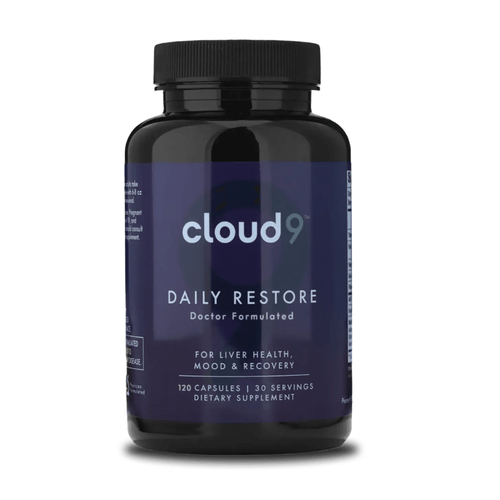
Cloud9 Daily Restore combines NAC, DHM, milk thistle, B vitamins, and ashwagandha to help support the pathways alcohol can tax most. Two capsules daily, drinking or not.
NAC | DHM | Milk Thistle | B Vitamins | Ashwagandha
See How Daily Restore WorksDefining Standard Drinks: Why Size Matters
One of the biggest misconceptions about alcohol is assuming all drinks are created equal. A "drink" at a bar, wedding, or home gathering can vary dramatically in actual alcohol content. Understanding standard drink measurements helps you track consumption accurately.
What Counts as One Standard Drink
In the United States, one standard drink contains approximately 14 grams of pure alcohol. This translates differently depending on what you're drinking.
- 12 ounces of regular beer (about 5% alcohol)
- 5 ounces of wine (about 12% alcohol)
- 1.5 ounces of distilled spirits (about 40% alcohol)
The problem is that real-world servings rarely match these standards. A large wine glass filled to a normal level might contain 7-9 ounces, meaning nearly two standard drinks. Craft beers often clock in at 7-9% alcohol, making a single pint equivalent to 1.5-2 standard drinks.
The Restaurant Pour Reality
Studies show that home pours tend to be even more generous than restaurant servings. Without the visual reference of a measured pour, people typically serve 40-50% more than a standard drink. This measurement gap means you might think you're having two drinks when you've actually consumed three or four.
| Beverage Type | Standard Serving | Typical Real-World Serving | Actual Standard Drinks |
|---|---|---|---|
| Wine (restaurant) | 5 oz | 6-8 oz | 1.2-1.6 |
| Wine (home pour) | 5 oz | 7-9 oz | 1.4-1.8 |
| Craft beer (IPA) | 12 oz at 5% | 16 oz at 7% | 1.9 |
| Mixed drink (bar) | 1.5 oz spirits | 2-3 oz spirits | 1.3-2.0 |
| Margarita (restaurant) | 1.5 oz tequila | 3-4 oz tequila + liqueur | 2.5-3.0 |
Understanding Drinking Patterns and Risk Levels
Not all drinking carries the same level of risk. Health organizations distinguish between several patterns, each with different implications for your health and wellbeing.
Moderate Drinking Guidelines
Current dietary guidelines define moderate drinking as up to one drink per day for women and up to two drinks per day for men. These limits account for biological differences in how bodies process alcohol. It's worth noting that these are maximum limits, not recommendations, and no level of alcohol consumption is considered completely risk-free.
Moderate drinking doesn't mean averaging these amounts over a week. Having seven drinks on Saturday doesn't equal one drink per day for seven days. The pattern of consumption matters as much as the total amount.
Binge Drinking: A Common but Risky Pattern
Binge drinking is defined as consuming enough alcohol to bring blood alcohol concentration to 0.08% or higher. This typically happens when women have four or more drinks or men have five or more drinks in about two hours.
Research suggests that binge drinking is surprisingly common, particularly among adults who don't consider themselves heavy drinkers. A person might drink moderately most of the time but binge drink occasionally at social events, which still carries significant health risks.
- Increased risk of injuries, accidents, and impaired judgment
- Higher likelihood of developing alcohol dependence over time
- Strain on the liver, heart, and immune system
- Disrupted sleep patterns and next-day cognitive impairment
- Greater risk of saying or doing things you later regret
Heavy Drinking and Alcohol Use Disorder
Heavy drinking is typically defined as having more than three drinks per day or seven per week for women, or more than four drinks per day or 14 per week for men. When drinking begins to cause significant problems in your life but continues despite negative consequences, it may indicate alcohol use disorder.
Alcohol use disorder exists on a spectrum from mild to severe. It's not simply a matter of drinking every day or hitting a specific quantity. Signs can include difficulty cutting back when you want to, spending significant time drinking or recovering from drinking, or continuing to drink despite relationship, work, or health problems.
The relationship between knowledge and behavior change isn't always straightforward. Understanding alcohol's effects is crucial, but lasting change often requires addressing the emotional, social, and habitual aspects of drinking as well. Awareness creates the foundation, but compassionate support builds the structure for transformation.
Short-Term and Long-Term Health Effects
Alcohol's impact on your body unfolds across two timelines. Some effects appear within hours, while others develop gradually with regular use over months or years.
Immediate Effects: What Happens in Hours
Even a single drinking session triggers a cascade of physiological changes. Your blood vessels dilate, giving you that warm, flushed feeling. Your brain's prefrontal cortex, responsible for judgment and inhibition, becomes less active while areas associated with pleasure and reward light up.
Alcohol disrupts your sleep architecture, particularly REM sleep, which is crucial for memory consolidation and emotional processing. You might fall asleep faster after drinking, but the quality of that sleep is significantly compromised. Studies show that even moderate alcohol consumption can reduce sleep quality by up to 40%.
- Dehydration and electrolyte imbalances
- Blood sugar fluctuations that can affect mood and energy
- Impaired motor coordination and reaction time
- Reduced inhibitions and altered decision-making
- Digestive upset and inflammation in the gut lining
Long-Term Effects: What Develops Over Time
With regular drinking over months and years, alcohol can affect virtually every organ system. The liver bears the brunt of processing alcohol, and chronic drinking can lead to fatty liver disease, inflammation, and eventually cirrhosis. These changes can begin even with moderate drinking in some individuals.
Research suggests that regular alcohol consumption is associated with increased risks of several types of cancer, including breast, liver, colon, and esophageal cancers. The risk appears to increase with the amount consumed, but even light to moderate drinking may elevate cancer risk compared to not drinking.
The Brain and Mental Health Connection
Alcohol's relationship with mental health is complex and bidirectional. Many people drink to manage stress, anxiety, or low mood, but regular alcohol use can actually worsen these conditions over time. Alcohol disrupts neurotransmitter balance, particularly affecting serotonin and dopamine systems that regulate mood.
Long-term heavy drinking can lead to structural changes in the brain, affecting memory, learning, and emotional regulation. The good news is that many of these changes can improve with sustained abstinence, as the brain demonstrates remarkable neuroplasticity.
Practical Strategies for Safer Drinking
If you choose to drink, certain strategies can help minimize risks and support more mindful consumption. These approaches focus on awareness, planning, and creating conditions that naturally moderate intake.
Before You Drink: Setting Yourself Up for Success
Preparation matters when it comes to moderating alcohol consumption. Deciding in advance how much you'll drink and in what circumstances gives you a clear benchmark to reference when you're in the moment and judgment may be impaired.
- Eat a substantial meal before drinking to slow alcohol absorption
- Set a specific limit (number of drinks and timeframe) before you start
- Identify your personal triggers for overdrinking and plan alternatives
- Choose lower-alcohol options when available
- Arrange transportation home in advance
During Drinking: In-the-Moment Techniques
Once you're in a drinking situation, having concrete strategies helps you stick to your intentions. Simple techniques can slow consumption and increase awareness of how much you're actually drinking.
Alternating alcoholic drinks with water or other non-alcoholic beverages serves multiple purposes. It keeps you hydrated, slows your pace of alcohol consumption, and gives you something to hold in social situations. Sipping slowly and putting your glass down between sips rather than holding it can also naturally reduce intake.
| Strategy | How It Helps | Difficulty Level |
|---|---|---|
| Measure your pours at home | Ensures accurate tracking of standard drinks | Easy |
| Alternate with water or soda | Slows pace and maintains hydration | Easy |
| Track drinks on your phone | Increases awareness and accountability | Easy |
| Avoid drinking games | Prevents rapid consumption and loss of control | Moderate |
| Order specific drinks by name | Slows automatic reordering and buying rounds | Moderate |
| Leave drinking environments early | Limits total drinking time and peer pressure | Challenging |
Building Alcohol-Free Confidence
One of the most effective ways to moderate drinking is to become comfortable not drinking in situations where you previously would have. This doesn't necessarily mean total abstinence; it means expanding your range of choices.
Start by identifying low-stakes situations where you can practice ordering non-alcoholic options. A lunch meeting, a weeknight dinner, or a casual catch-up with a friend might feel easier than a wedding or concert. Building confidence in these smaller moments creates a foundation for navigating higher-pressure situations.
Recognizing When It's Time for Change
Sometimes awareness reveals that your relationship with alcohol needs more than moderation strategies. Recognizing the signs that drinking has become problematic is an act of self-honesty that opens the door to real change.
Signs Your Drinking May Be a Problem
Problematic drinking isn't always obvious or dramatic. It often shows up in subtle ways: the increasing frequency of drinking to cope with stress, the growing difficulty of stopping after one or two drinks, or the nagging feeling that alcohol is taking more than it's giving.
- You regularly drink more than you intended to
- You've tried to cut back but found it difficult to stick with
- You spend significant time thinking about drinking, drinking, or recovering from drinking
- Drinking has caused problems in your relationships, work, or health
- You need to drink more to feel the effects you used to get from less
- You experience withdrawal symptoms (anxiety, shakiness, sweating) when you stop drinking
- You continue drinking despite knowing it's causing problems
The Spectrum of Support Options
If you're questioning your drinking, you don't have to figure it out alone. Support exists across a wide spectrum, from apps and online communities to therapy and medical treatment. The right option depends on your individual situation, preferences, and the severity of your concerns.
For some people, working with a therapist who specializes in substance use provides the structure and accountability needed for change. Others find peer support through groups invaluable. Medical supervision may be necessary if you've been drinking heavily for an extended period, as alcohol withdrawal can be dangerous without proper support.
How Daily Restore Supports Your Health
Understanding what your body needs is one thing. Getting consistent daily support is another. Daily Restore was designed to address the key pathways alcohol can stress most, in one simple daily formula.
NAC (N-Acetyl Cysteine)
Supports glutathione production and antioxidant defenses
DHM (Dihydromyricetin)
Supports alcohol metabolism
Milk Thistle (Silymarin)
Supports healthy liver function
B Vitamins
Help replenish nutrients involved in energy and metabolism
Ashwagandha
Supports stress resilience and healthy cortisol balance
Daily Restore is not a detox or a cure. It is a daily support formula designed for people who drink socially and want to give their body consistent, evidence-informed support.
Frequently Asked Questions
How much alcohol is considered safe to drink?
Current guidelines suggest up to one drink per day for women and up to two drinks per day for men, though individual tolerance varies based on factors like body weight, metabolism, and overall health. Many health experts now suggest that lower consumption is better, and some research indicates that even moderate drinking carries certain health risks. The safest approach is to drink mindfully and be aware of how alcohol affects your body.
What's the difference between alcohol abuse and alcohol dependence?
Alcohol abuse refers to a pattern of drinking that causes problems in your life, such as relationship issues, work difficulties, or risky behavior, but doesn't necessarily involve physical dependence. Alcohol dependence, on the other hand, involves both psychological and physical reliance on alcohol, often with withdrawal symptoms when drinking stops. Both conditions are serious and can benefit from professional support and treatment.
Can supplements really help reduce alcohol cravings?
Research suggests that certain nutrients and botanicals may help support healthy brain chemistry and reduce the intensity of alcohol cravings for some people. Ingredients like DHM (dihydromyricetin), L-theanine, and B vitamins have been studied for their potential effects on neurotransmitter balance and stress response. While supplements aren't a cure or replacement for professional treatment, they can be a helpful component of a comprehensive approach to modifying drinking habits.
How long does it take to reset your relationship with alcohol?
The timeline varies significantly from person to person depending on drinking history, individual biology, and support systems. Some people notice changes in cravings and habits within a few weeks, while others may need several months to establish new patterns. Consistency with healthy routines, whether that includes taking daily supplements, practicing stress management, or attending support groups, tends to produce the most sustainable results over time.
Is it ever too late to change my drinking habits?
It's never too late to make positive changes to your alcohol consumption. While long-term heavy drinking can cause lasting damage, the body has remarkable healing abilities, and reducing or eliminating alcohol at any age can lead to meaningful health improvements. Many people find that their energy, sleep quality, mental clarity, and overall well-being improve significantly even after years of problematic drinking once they commit to change.
The Bottom Line
Alcohol education isn't about judgment or fear tactics. It's about understanding how alcohol affects your body and mind so you can make informed decisions that align with your health goals. Whether you're looking to cut back, take a break, or simply drink more mindfully, knowledge is your most powerful tool.
The most effective approach to changing your relationship with alcohol combines awareness, practical strategies, social support, and consistent daily habits. Small changes, like alternating alcoholic drinks with water, setting clear limits before social events, or finding new ways to manage stress, can add up to significant improvements over time.
For many people, daily nutritional support can make the journey easier. Cloud9's Daily Restore is formulated with research-backed ingredients like DHM, magnesium, and B vitamins to help support your body's natural balance and may help reduce the pull of alcohol cravings. When taken consistently as part of a broader commitment to change, it can be a valuable tool in your wellness routine.
Remember, changing habits takes time, and setbacks are part of the process. What matters most is your commitment to progress, not perfection. With the right information, support, and tools, you can build a healthier relationship with alcohol that serves your long-term well-being.
Build Your Daily Support Routine
Build Your Daily Support Routine
If drinking is part of your lifestyle, your support routine should not be random. Daily Restore was designed to help social drinkers support liver health, antioxidant defenses, alcohol metabolism, nutrient replenishment, and daily recovery in one simple routine.
NAC
DHM
Milk Thistle
B Vitamins
Ashwagandha