

Most of us have sat with a drink in hand and wondered: is this still just social, or has something shifted? It's one of those questions that feels intensely personal yet strangely universal. The line between enjoying a glass of wine with friends and crossing into territory that affects your health, relationships, or daily life can feel blurry.
This guide is for anyone who's ever questioned their drinking patterns, whether you're checking in with yourself or concerned about someone you care about. Understanding the difference between social and problematic drinking isn't about judgment. It's about clarity, self-awareness, and having the information you need to make choices that support your wellbeing.
Let's break down what the research tells us, what patterns to watch for, and how to navigate this conversation with honesty and care.
Quick Take
- Social drinking typically involves moderate consumption in social settings without negative consequences or loss of control
- Problematic drinking shows up through patterns like increased tolerance, drinking alone, failed attempts to cut back, or impacts on work and relationships
- The shift from social to problematic drinking often happens gradually, making self-awareness and honest check-ins essential
- Moderate drinking guidelines suggest up to one drink per day for women and two for men, though individual factors vary widely
- Recognizing early warning signs and seeking support early can prevent patterns from deepening into more severe alcohol use concerns
What Actually Defines Social Drinking?
Social drinking generally refers to consuming alcohol in moderation during social occasions without experiencing negative physical, emotional, or social consequences. Research suggests that social drinkers maintain control over their consumption, can easily stop after one or two drinks, and don't experience cravings or withdrawal symptoms when they're not drinking.
The key characteristic here is choice. Social drinkers don't feel compelled to drink, they genuinely can take it or leave it. Their drinking doesn't interfere with responsibilities, relationships, or health, and they don't need alcohol to relax, celebrate, or cope with stress.
Standard moderate drinking guidelines from health organizations suggest up to one standard drink per day for women and up to two for men. One standard drink equals 12 ounces of beer, 5 ounces of wine, or 1.5 ounces of distilled spirits. That said, these are general benchmarks, and individual tolerance, health conditions, and medications can change what's appropriate for any given person.
Daily Support for Social Drinkers
Your liver works hard every day. Give it consistent support.
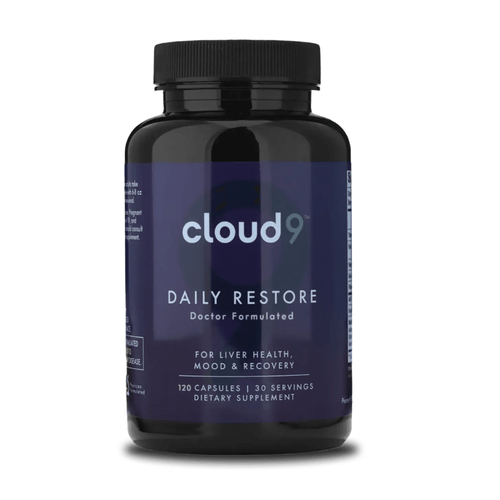
Cloud9 Daily Restore combines NAC, DHM, milk thistle, B vitamins, and ashwagandha to help support the pathways alcohol can tax most. Two capsules daily, drinking or not.
NAC | DHM | Milk Thistle | B Vitamins | Ashwagandha
See How Daily Restore WorksThe Warning Signs: When Drinking Crosses the Line
The transition from social to problematic drinking rarely happens overnight. It's usually a gradual shift marked by subtle changes in patterns, motivations, and consequences. Understanding these warning signs can help you catch concerns early, when making changes feels more manageable.
Behavioral and Emotional Red Flags
One of the earliest indicators that drinking has become problematic is when your relationship with alcohol changes from optional to essential. You might notice you're thinking about drinking more often, planning your day around when you can have a drink, or feeling irritable or anxious when you can't drink.
Other behavioral patterns to watch for include:
- Drinking alone regularly rather than primarily in social settings
- Using alcohol as a primary coping mechanism for stress, anxiety, or difficult emotions
- Increasing frequency or quantity of drinking over time
- Making excuses or lying about how much you drink
- Experiencing blackouts or memory gaps after drinking
- Continuing to drink despite negative consequences
- Feeling guilty or defensive when others mention your drinking
Physical and Tolerance Changes
Your body provides important feedback about your drinking patterns. Developing increased tolerance, meaning you need more alcohol to feel the same effects, is a significant warning sign that your body is adapting to regular alcohol exposure.
Physical indicators may include experiencing withdrawal symptoms like shakiness, sweating, nausea, or anxiety when you haven't had a drink. Even mild symptoms suggest physical dependence has developed. You might also notice changes in sleep quality, energy levels, or digestive issues that correlate with your drinking patterns.

Impact on Daily Life and Relationships
Perhaps the most telling indicator of problematic drinking is its ripple effect into other areas of life. When alcohol begins affecting your responsibilities, relationships, or physical health, it's moved beyond social territory.
Consider whether you've experienced any of these impacts:
- Missing work, showing up late, or decreased performance due to drinking or hangovers
- Conflicts with family members or friends about your alcohol use
- Neglecting hobbies, activities, or relationships you once valued
- Financial strain from spending on alcohol
- Legal issues like DUIs or public intoxication
- Health problems that your doctor has linked to alcohol use
Understanding the Spectrum: It's Not Just Black and White
The conversation around alcohol use exists on a spectrum rather than fitting into neat categories. Between "social drinking" and "alcohol use disorder," there's significant middle ground where drinking patterns may be concerning without meeting clinical criteria for addiction.
Understanding where you fall on the spectrum isn't about labeling yourself, it's about gaining clarity on whether your current relationship with alcohol supports your health and life goals, or whether it might be time to make some changes.
The "Gray Area" of Drinking
Many people find themselves in what's often called "gray area drinking." This describes patterns that feel problematic to you, that don't quite fit social drinking anymore, but that might not meet diagnostic criteria for alcohol use disorder. You might be drinking more than you intend, using alcohol to manage stress regularly, or noticing subtle negative impacts on your wellbeing.
This gray area matters because you don't need to wait until things get worse to make changes. If your drinking doesn't feel aligned with how you want to live, that's information worth paying attention to, regardless of whether it fits a specific diagnostic category.
Alcohol Use Disorder: Clinical Criteria
When drinking patterns become more severe, they may meet criteria for alcohol use disorder (AUD). Mental health professionals assess AUD based on eleven criteria related to impaired control, social impairment, risky use, and physical dependence.
The presence of two to three criteria suggests mild AUD, four to five indicates moderate, and six or more points to severe alcohol use disorder. These criteria include factors like spending significant time obtaining or recovering from alcohol, unsuccessful attempts to cut down, continued use despite problems, and developing tolerance or withdrawal symptoms.
| Social Drinking | Problematic Drinking |
|---|---|
| Occasional, controlled consumption | Regular, often excessive consumption |
| Can easily stop after one or two drinks | Difficulty stopping once started |
| Drinking is purely optional and social | Feels compelled or needs to drink |
| No negative life consequences | Impacts work, relationships, or health |
| Doesn't think about drinking when not doing it | Frequently thinks about or plans drinking |
| Uses alcohol for enjoyment only | Uses alcohol to cope with emotions or stress |
| No physical dependence or tolerance buildup | May experience withdrawal or need more to feel effects |
How to Honestly Assess Your Own Drinking
Self-assessment requires a level of honesty that can feel uncomfortable, but it's one of the most valuable tools you have for understanding your relationship with alcohol. The goal isn't to judge yourself harshly, it's to gather clear information so you can make informed decisions.
Questions to Ask Yourself
Start by reflecting on these key questions with as much honesty as you can muster. Consider writing down your answers or discussing them with someone you trust.
- Do I drink more or more often than I originally intend to?
- Have I tried to cut back on drinking and found it difficult?
- Do I spend significant time drinking or recovering from drinking?
- Do I experience strong urges or cravings to drink?
- Has my drinking interfered with work, school, or family responsibilities?
- Have I continued drinking despite it causing problems in relationships?
- Have I given up activities I enjoyed because of drinking?
- Have I drunk in situations where it's physically dangerous?
- Have I continued drinking despite knowing it's worsening physical or mental health issues?
- Have I needed to drink more to get the same effect?
- Have I experienced withdrawal symptoms when the effects wear off?
Tracking Patterns Over Time
Sometimes patterns become clearer when we track them objectively. Consider keeping a simple log for two to four weeks noting when you drink, how much, the context, and how you feel before and after. This data can reveal patterns you might not notice otherwise, like drinking more on stressful days, consuming more than you realize, or experiencing mood changes related to alcohol use.
Many people are surprised by what tracking reveals. What feels like "a couple of drinks" might actually be four or five standard drinks. What seems like occasional drinking might happen five or six days a week when you count it up.
The Role of Feedback from Others
While self-assessment is crucial, the observations of people close to you can provide valuable perspective. If multiple people in your life have expressed concern about your drinking, that's significant information worth taking seriously, even if your first impulse is to dismiss or defend against their observations.
Consider whether friends or family members have made comments about your drinking, whether you've become defensive when the topic comes up, or whether you've started avoiding people who might question your alcohol use. These relational patterns often signal that drinking has moved beyond purely social territory.
What to Do If You're Concerned About Your Drinking
Recognizing that your drinking might be problematic is actually a positive step, even though it might not feel that way. It means you're paying attention to important signals and considering whether changes might benefit your health and life. The good news is that support and effective strategies are available, regardless of where you fall on the spectrum.
Starting with Small, Concrete Changes
You don't necessarily need to jump straight to complete abstinence, though that may be the right choice for some people. For others, starting with concrete limits and observing how that feels can provide useful information. Try setting specific boundaries like having no more than two drinks per occasion, limiting drinking to certain days of the week, or taking a 30-day break to reset your relationship with alcohol.
Pay attention to how difficult or easy these changes feel. If you set a limit and consistently exceed it, or if the idea of taking a break feels impossible, that's valuable information suggesting you might benefit from additional support.
Professional Support and Resources
Speaking with a healthcare provider or addiction specialist can help you understand your patterns and identify appropriate next steps. Many primary care doctors can screen for alcohol use concerns, provide brief interventions, or refer you to specialists when needed.
Treatment options span a wide range depending on severity and individual needs:
- Brief counseling or motivational interviewing with a therapist
- Cognitive-behavioral therapy focused on changing drinking patterns
- Medication-assisted treatment that can reduce cravings or make drinking unpleasant
- Intensive outpatient programs that provide structured support while you continue daily activities
- Inpatient or residential treatment for more severe cases
- Support groups like SMART Recovery, Alcoholics Anonymous, or online communities
Building a Support System
Changing your relationship with alcohol is significantly easier with support. This might include trusted friends and family members who understand what you're working toward, support groups where you can connect with others navigating similar challenges, or professional guidance from therapists or counselors.
Consider who in your life would support your efforts to change your drinking patterns, and don't hesitate to reach out. Many people find that opening up about their concerns, while initially uncomfortable, leads to more authentic connections and practical help when they need it most.
How Daily Restore Supports Your Health
Understanding what your body needs is one thing. Getting consistent daily support is another. Daily Restore was designed to address the key pathways alcohol can stress most, in one simple daily formula.
NAC (N-Acetyl Cysteine)
Supports glutathione production and antioxidant defenses
DHM (Dihydromyricetin)
Supports alcohol metabolism
Milk Thistle (Silymarin)
Supports healthy liver function
B Vitamins
Help replenish nutrients involved in energy and metabolism
Ashwagandha
Supports stress resilience and healthy cortisol balance
Daily Restore is not a detox or a cure. It is a daily support formula designed for people who drink socially and want to give their body consistent, evidence-informed support.
Frequently Asked Questions
How many drinks per week is considered problematic?
Health guidelines suggest that consuming more than 14 drinks per week for men or 7 drinks per week for women may increase health risks. However, problematic drinking is more about patterns and consequences than strict numbers: if drinking causes issues in your relationships, work, or health, that's a signal worth paying attention to regardless of quantity.
Can I be a problem drinker without being an alcoholic?
Absolutely. Problematic drinking exists on a spectrum, and many people experience negative consequences from alcohol without meeting the criteria for alcohol use disorder. You might drink in ways that compromise your health, relationships, or responsibilities without having a physical dependence, and addressing these patterns early can prevent progression to more serious concerns.
What are the early warning signs I should watch for?
Early signs often include drinking more than you intended, feeling guilty about your drinking, others expressing concern, using alcohol to cope with stress or emotions, or experiencing memory gaps after drinking. Changes in your tolerance, needing alcohol to relax, or prioritizing drinking over other activities can also signal that your relationship with alcohol may be shifting from social to problematic.
How do I talk to someone I'm concerned about?
Approach the conversation with compassion rather than judgment, focusing on specific behaviors you've observed and how they've affected you or the person. Choose a time when they're sober, use "I" statements like "I've noticed" or "I'm worried," and be prepared that they may not be ready to hear your concerns. Offering support and resources rather than ultimatums tends to be more effective.
Can supplements really help with alcohol-related health concerns?
Research suggests that targeted nutrients can support your body's natural recovery processes, particularly when alcohol consumption has depleted essential vitamins and minerals or stressed your liver and cellular health. While supplements aren't a substitute for reducing alcohol intake or seeking professional help when needed, they can be a valuable part of a comprehensive approach to supporting your health alongside mindful drinking habits.
The Bottom Line
Understanding the difference between social drinking and problematic drinking isn't about judgment or strict rules. It's about honest self-reflection and recognizing patterns that may be affecting your health, relationships, and overall quality of life. The line between the two is often gradual rather than obvious, which is exactly why awareness matters so much.
If you're questioning your drinking habits or noticing early warning signs, that awareness itself is valuable. Small changes, whether cutting back on frequency, setting clear limits, or finding alternative ways to manage stress, can make a meaningful difference. And if you continue to drink occasionally or socially, supporting your body's natural recovery processes becomes even more important.
That's where Daily Restore fits into a thoughtful approach to wellness. Formulated with dihydromyricetin (DHM), NAC, milk thistle, and essential B vitamins, it's designed to support your liver health, cellular recovery, and overall resilience. Whether you're cutting back, drinking moderately, or simply want to support your body's natural detoxification processes, Daily Restore can be part of your daily routine for consistent wellness support.
Your relationship with alcohol is personal, and the right path forward looks different for everyone. What matters most is being honest with yourself, recognizing when patterns shift, and taking proactive steps to protect your health and wellbeing, whatever that looks like for you.
Build Your Daily Support Routine
Build Your Daily Support Routine
If drinking is part of your lifestyle, your support routine should not be random. Daily Restore was designed to help social drinkers support liver health, antioxidant defenses, alcohol metabolism, nutrient replenishment, and daily recovery in one simple routine.
NAC
DHM
Milk Thistle
B Vitamins
Ashwagandha